Mass General Brigham Integrated Regional Anesthesia and Acute Pain Medicine Fellowship
Email: ekoelnych@mgh.harvard.edu
1800555555
ekoelnych@mgh.harvard.edu
Email: abstone@mgb.org
1800555555
abstone@mgb.org
Welcome from the Program Director
Welcome, and thank you for your interest in the Mass General Brigham Integrated Fellowship in Regional Anesthesia and Acute Pain Medicine.
We are proud to offer one of the most comprehensive and innovative fellowship training programs in regional anesthesia in the United States. By combining the world-class resources of Massachusetts General Hospital and Brigham and Women's Hospital our program delivers an unmatched breadth of clinical experience, intellectual rigor, and mentorship.
At the heart of our program is a deep, shared commitment to the highest quality of compassionate patient care and to the training of the next generation of leaders in Regional Anesthesia and Acute Pain Medicine. Our fellows rotate through both flagship academic medical centers of the MGB system, gaining exposure to diverse patient populations, cutting-edge techniques, and a rich didactic curriculum that prepares them for any clinical or academic challenge.
Whether your path leads to a busy academic practice, a community-based regional anesthesia service, or a career in research and education, our fellowship will equip you with the skills, knowledge, and professional network to thrive. We invite you to learn more about what makes our program exceptional, and we look forward to hearing from you.
Alexander B. Stone MD
Program Director, MGB Integrated Fellowship in Regional Anesthesia & Acute Pain Medicine
Department of Anesthesiology, Perioperative and Pain Medicine
Program Overview
The MGB Integrated Fellowship in Regional Anesthesia and Acute Pain Medicine is a 12-month, ACGME-accredited program designed to prepare anesthesiologists for independent practice and leadership in Regional Anesthesia and Acute Pain Medicine.
Our program is built on a foundation of high-volume clinical training across multiple sites, rigorous structured didactics, and mentored scholarly engagement. Fellows rotate through the regional anesthesia block teams and acute pain services at both MGH and BWH — two of the nation's busiest and most respected academic medical centers — as well as pediatric regional anesthesia rotation at Boston Children's Hospital.
Program Highlights at a Glance
- Training across Massachusetts General Hospital and Brigham and Women's Hospital
- Over 5,500 peripheral nerve blocks performed annually across the two main campuses
- Over 9,000 acute pain service patient encounters per year
- Structured didactic curriculum aligned with ACGME Core Competencies
- Monthly regional anesthesia journal club and weekly subspecialty conferences
- Mentored research and quality improvement opportunities
- Participation in national meetings (ASRA and others)
- Individualized elective opportunities in addiction medicine, palliative care, and research
- Participation in SF Match
Curriculum & Clinical Experience
Overall Educational Goals
The goal of our fellowship is to prepare physicians for leadership in Regional Anesthesia and Acute Pain Medicine through comprehensive, high-volume clinical training and scholarly engagement. The program provides fellows with extensive exposure to a wide range of cutting-edge regional anesthesia techniques and acute pain management strategies across diverse clinical settings.
The fellowship is structured to ensure the progressive development and assessment of clinical competence across all ACGME Core Competencies: patient care, medical knowledge, practice-based learning and improvement, interpersonal and communication skills, professionalism, and systems-based practice.
Rotation Structure
Fellows complete required and elective rotations distributed across all three training sites:
Rotation
Type
Duration / Site
Focus
Regional Anesthesia Block Team
Core
4 months (2 MGH + 2 BWH)
Regional anesthesia block team, 5500+ nerve blocks/year
Acute Pain Service (APS)
Core
4 months (2 MGH + 2 BWH)
Inpatient multimodal acute pain management, 9000+ encounters/year
Pediatric Regional Anesthesia
Required
4 weeks - Boston Children's Hospital
Pediatric blocks, neonates through adolescents
Obstetric Anesthesia
Requried
2 weeks - MGH or BWH
Neuraxial techniques, labor analgesia, complex OB patients
Chronic Pain
Required
2 weeks - MGH or BWH
Inpatient chronic pain, cancer pain, interventional techniques
Orthopedic Anesthesia
Required
2 weeks - MGH or BWH
Complex orthopedic surgery, trauma, arthroplasty
Ambulatory Orthopedic
Required
2 weeks - BWH Foxborough
High-efficiency ambulatory surgical center
Addiction/Palliative/Research
Elective
2 weeks
Individualized elective experience
Vacation
-
4 weeks
-
Core Rotations
Regional Anesthesia Block Team (4 months, divided evenly between MGH and BWH)
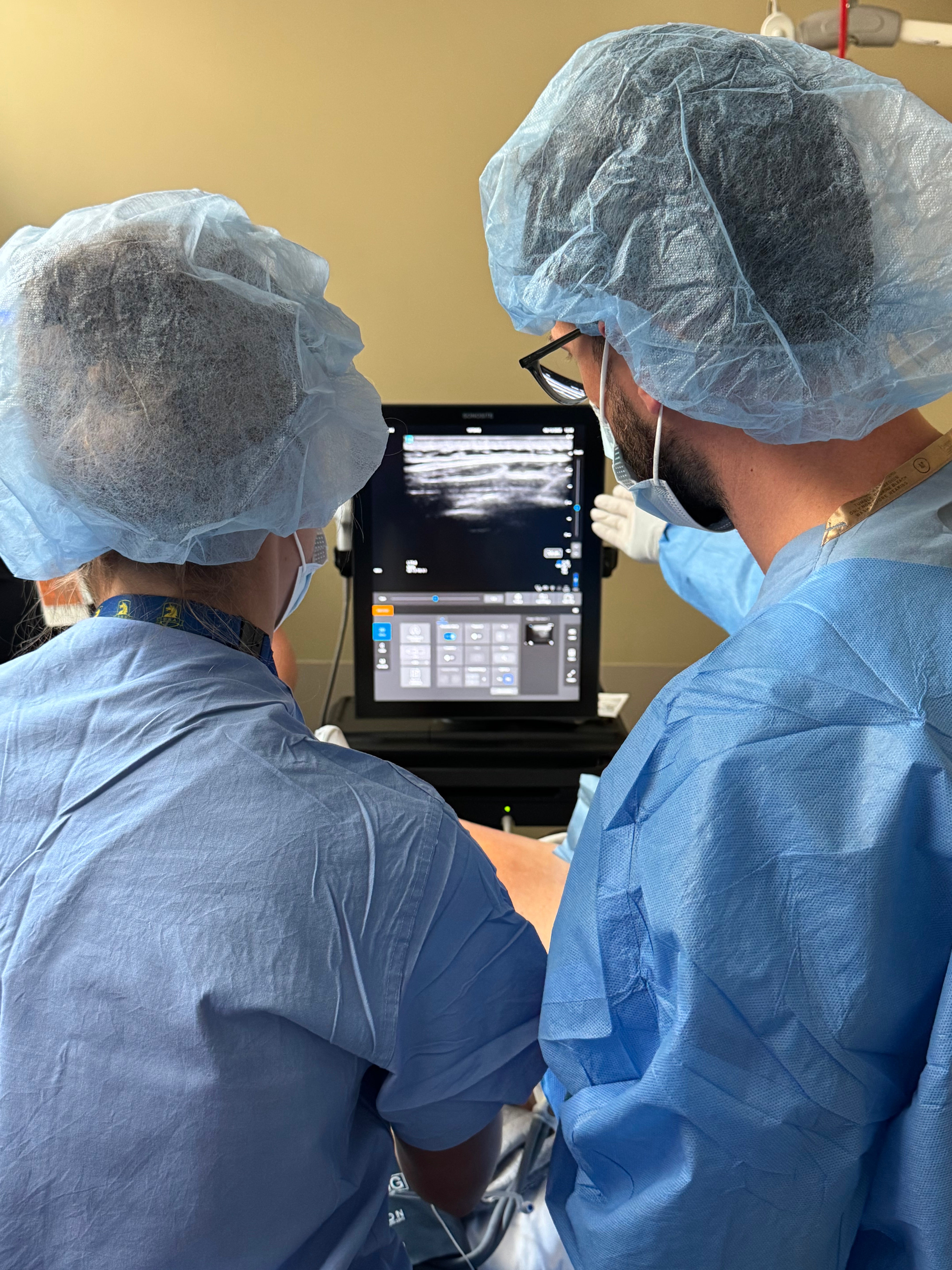
The Regional Anesthesia Block Teams at MGH and BWH collectively perform over 5,500 peripheral nerve blocks per year across a wide spectrum of surgical specialties, including orthopedic, trauma, vascular, general, plastic, and cardiac surgery. Fellows participate in preoperative patient assessment, individualized perioperative analgesia planning, and the full range of regional anesthesia care.
Fellows develop mastery of both upper and lower extremity blocks, truncal blocks, and neuraxial techniques, with a particular emphasis on ultrasound-guided approaches. As the year progresses, fellows assume increasing autonomy and take on a formal teaching and supervisory role for anesthesiology residents.
Acute Pain Service (4 months, divided evenly between MGH and BWH)
The Acute Pain Services at MGH and BWH manage thousands of inpatient consultations each year, exposing fellows to the full complexity of perioperative pain management. Fellows independently assess patients, initiate and revise perioperative analgesia plans, and master management of continuous epidural and peripheral nerve block infusions.
The APS rotation provides structured training in acute pain crisis management, including recognition and management of local anesthetic toxicity and acute neurologic deficits.
Required Rotations
Pediatric Regional Anesthesia — Boston Children's Hospital
Fellows spend one month at Boston Children's Hospital, gaining experience in regional anesthesia for patients ranging from neonates to adolescents. Supervised by expert pediatric anesthesiologists, fellows develop technical and cognitive skills in ultrasound-guided peripheral nerve blocks, neuraxial techniques, and multimodal pain management specific to the pediatric population.
Obstetric Anesthesia
This rotation provides focused exposure to neuraxial anesthesia for the obstetric population. Fellows develop competency in epidural, spinal, and combined spinal-epidural techniques; management of complex obstetric patients (e.g., preeclampsia, obesity, coagulopathy); post-cesarean multimodal analgesia; and ultrasound-guided neuraxial procedures. Both MGH and BWH host ACGME-accredited Obstetric Anesthesiology fellowship programs, providing fellows with access to internationally recognized faculty.
Chronic Pain
Fellows gain supervised experience in the evaluation and management of hospitalized patients with chronic pain, including cancer-related pain, complex regional pain syndrome (CRPS), and pain in the setting of opioid use disorder. The rotation introduces fellows to fluoroscopy-guided interventional procedures, neuromodulation therapies, and a biopsychosocial approach to inpatient pain consultation. Fellows are expected to document involvement in a minimum of 20 new inpatient chronic pain evaluations.
Orthopedic Anesthesia
Fellows enhance their skills in regional anesthesia and perioperative pain management in the context of complex orthopedic surgery, including arthroplasty, spine surgery, orthopedic oncology, and trauma. This rotation counts toward both clinical anesthesia and regional anesthesia experience hours, and fulfills the ACGME-required trauma anesthesia experience.
Ambulatory Orthopedic Anesthesia — BWH Foxborough Day Surgery
The Brigham and Women's Foxborough Day Surgery Unit is a free-standing ambulatory surgery center with four operating rooms. Fellows gain experience managing a high-efficiency ambulatory setting with an emphasis on same-day orthopedic procedures, outpatient peripheral nerve blocks, and the unique clinical and operational demands of ambulatory anesthesia care.
Techniques Fellows Will Master
Upper Extremity Blocks
- Interscalene, cervical plexus, supraclavicular, infraclavicular, axillary, suprascapular, intercostobrachial
- Single-injection and continuous catheter techniques
Lower Extremity Blocks
- Femoral, fascia iliaca, saphenous, ankle, popliteal, sciatic, lumbar plexus, obturator, lateral femoral cutaneous
- Single-injection and continuous catheter techniques
Truncal Blocks
- Paravertebral, transversus abdominis plane (TAP), ilioinguinal-iliohypogastric, intercostal, rectus sheath, subcostal TAP
Neuraxial Techniques
- Spinal, epidural, combined spinal-epidural, dural puncture epidural, continuous spinal catheters
- Ultrasound-assisted and ultrasound-guided neuraxial techniques
- Thoracic epidural analgesia for thoracic, abdominal surgery, and trauma
Special Techniques
- Intravenous regional anesthesia (Bier block)
- Management of chronic ambulatory peripheral nerve block catheter programs
- Ultrasound-guided neuraxial anesthesia (preprocedural lumbar and real-time thoracic)
Acute Pain Skills
- Multimodal analgesia regimen design across patient populations
- Management of opioid-dependent patients, including buprenorphine and methadone protocols
- High-dose opioid PCA management and IV-to-oral conversions
- Management of acute pain in patients with substance use disorders
- Non-opioid adjuncts: ketamine, dexmedetomidine, IV lidocaine infusions
Didactics & Education
Our didactic curriculum is carefully designed to complement and reinforce clinical experience throughout the year. Fellows have access to:
- Weekly protected time for small-group faculty-led lectures on regional anesthesia and acute pain topics
- Weekly departmental Grand Rounds and Morbidity & Mortality conferences
- Monthly regional anesthesia-specific journal club with critical appraisal of contemporary literature
- Access to the ABA Anesthesia Toolbox with rotation-specific reading assignments
- Anatomy labs and regional anesthesia practicum with living models
- High-fidelity simulation and ultrasound workshops
- Involvement in PICUS (Perioperative and Intensive Care Ultrasound) courses
- Multidisciplinary pain conferences and case-based teaching rounds
- Financial support to attend the annual American Society of Regional Anesthesia (ASRA) meeting
Evaluation & Feedback
Fellow development is assessed through a comprehensive, multi-layered evaluation framework:
- Written evaluations by all faculty supervisors via New Innovations after each rotation
- Quarterly mentor meetings with individualized feedback and written documentation
- Formal review by the Clinical Competency Committee twice per year against ACGME Milestones
- Written summative evaluations from the Program Director four times per year
- Regular verbal feedback after every clinical shift
- Annual anonymous faculty and program evaluations completed by all fellows
What Makes Our Program Unique
Truly Integrated Training
Fellows rotate between MGH and BWH — two of the nation's leading academic medical centers. This multi-site training exposes fellows to distinct patient populations, surgical practices, and faculty perspectives, providing a breadth of experience unavailable at any single-institution program.
Extraordinary Clinical Volume
With over 5,500 peripheral nerve blocks per year across the two campuses and over 9,000 APS encounters, our fellows are immersed in a high-volume environment that accelerates technical proficiency and clinical decision-making.
World-Renowned Faculty
Our faculty include nationally and internationally recognized leaders in regional anesthesia, acute pain medicine, obstetric anesthesia, pediatric anesthesia, and chronic pain. Fellows benefit from direct mentorship by physicians who have shaped the subspecialty.
Full Spectrum of Complexity
From routine ambulatory peripheral nerve blocks in a high volume day surgery setting, to complex trauma and orthopedic oncology cases at our main campuses, fellows encounter the full clinical spectrum of modern regional anesthesia practice.
Commitment to Scholarship
Fellows are encouraged and supported in pursuing research, quality improvement, and educational projects during their fellowship year, with faculty mentorship and protected academic time available.
Boston and the Harvard Ecosystem
Boston is a world-class city for medicine, culture, and quality of life. Our fellows benefit from the rich academic community of Harvard Medical School, with access to conferences, seminars, and collaborators across the world.
Our Alumni
Where Our Graduates Go
Our fellowship alumni have gone on to distinguished careers across the full spectrum of academic and clinical practice, including:
- Academic faculty positions at major teaching institutions, including Harvard-affiliated hospitals
- Regional anesthesia division leadership roles at academic medical centers
- Leadership in community hospital anesthesia departments with regional anesthesia programs
- Careers in medical education and simulation
- Research careers in acute pain medicine and regional anesthesia
- National and international conference faculty and presenters
- Subspecialty society leadership (ASRA, ASA, SOAP, and others)
Alumni Testimonials
“One unique aspect of the program is the types of neuraxial blocks preformed. While volume isn’t high, the complexity is. Most of the epidurals placed as a fellow were in challenging situations such as in the ICU on a post-op lung transplant before extubating, challenging placements where the primary anesthesiologist was unsuccessful and needed assistance with an ultrasound guided epidural, and on the labor and delivery floor. These experiences prepare the fellow to deal with very challenging placements in their own practice.” — Ryan Norman, M.D. MGH Regional Anesthesia & Acute Pain Fellow, 2022-2023
Wellness, Recreation & Life in Boston
Fellow Wellness
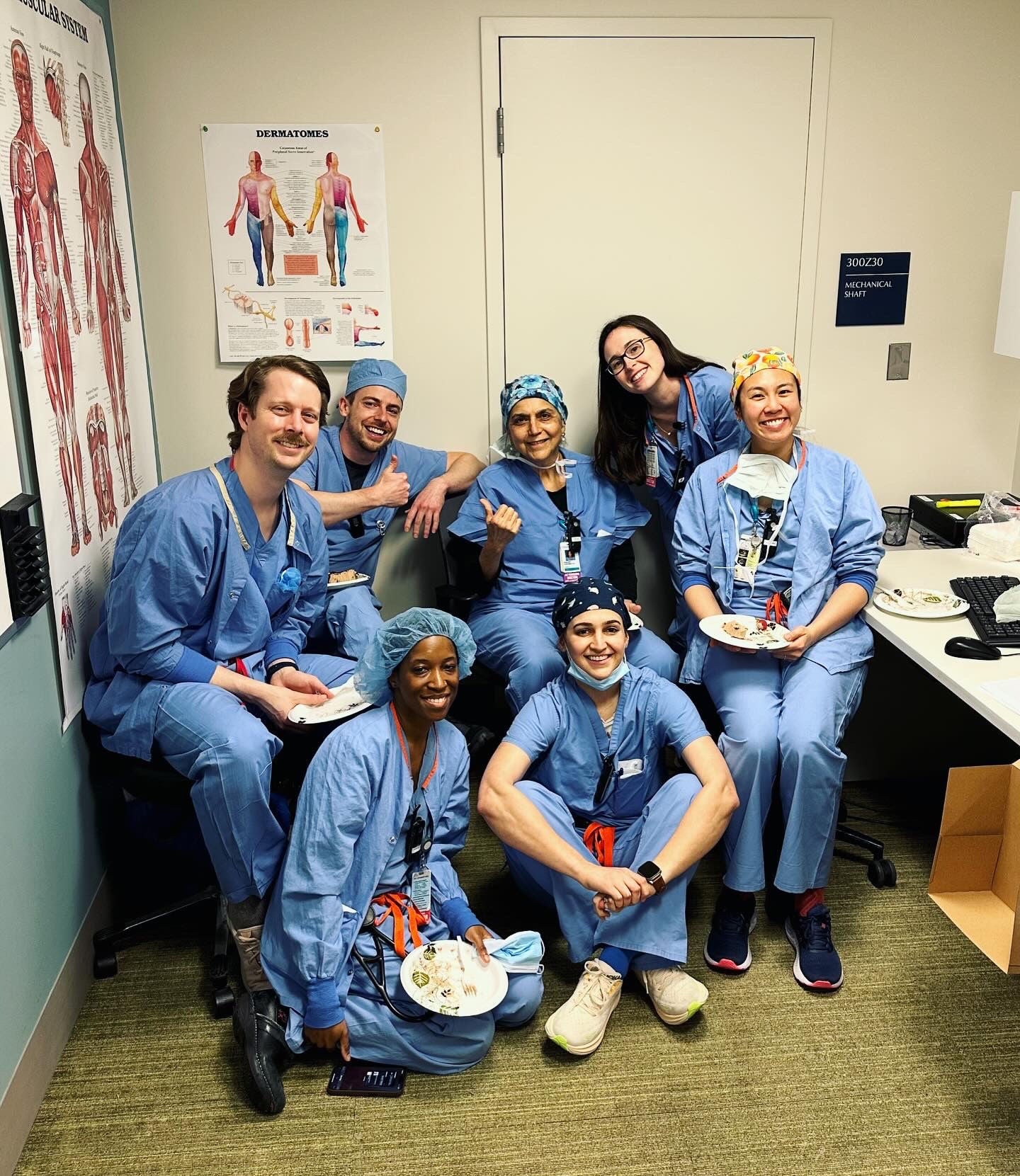
The wellbeing of our fellows is a core priority of the MGB Integrated Fellowship program. We are committed to fostering a supportive, collegial, and inclusive environment where our fellows thrive clinically and personally.
- Access to the MGB GME Wellness program and resources
- Department social events and community-building activities through the MGB Anesthesia Social Club
- Annual graduation celebration and recognition events
Living in Boston
Boston is consistently ranked among the best cities in the country for quality of life, cultural vibrancy, and access to outdoor activities. As a fellow training in the heart of the city, you will enjoy:
- World-class dining, arts, music, and sports (Go Sox and Celtics!)
- Exceptional access to outdoor recreation —Ski mountains of New England, and Cape Cod all within reach
- A diverse, welcoming, and intellectually stimulating community
- Excellent public transportation connecting MGH (Cambridge/Longwood area), BWH (Longwood Medical Area), and beyond
- Competitive housing options — see the MGB GME Housing Resources page for guidance.
Benefits, Salary & Program Policy
Benefits
- Comprehensive health, dental, vision, and disability insurance
- Malpractice coverage
- Conference funding (including ASRA annual meeting support)
- Access to the MGB learning management system and ABA Anesthesia Toolbox
Salary
Fellows are compensated at the PGY-5 level. The starting salary for a PGY-5 in 2026 is $102,466. Salary scales are updated annually; please refer to FREIDA (the AMA fellowship and residency database) for the most current figures.
Policies & Contracts
All fellow policies, including trainee contracts, duty hour policies, leave policies, and moonlighting provisions, are governed by the Mass General Brigham Office of Graduate Medical Education. Click here (Resources for Current Trainees) to learn more about the governing policies. You may also email us to request more details.
How to Apply
Fellowship Application
The MGB Integrated Fellowship in Regional Anesthesia and Acute Pain Medicine participates in the SF Match. Selection is highly competitive; only completed applications will be reviewed.
Key Dates — 2028–2029 Academic Year
Please visit this link to review the SF Match application calendar for the 2028-2029 recruitment cycle.
Eligibility Requirements
Applicants must meet all minimum selection criteria established by MGB GME institutional policy. Specifically:
Medical School Graduation
- Graduate of an LCME-accredited medical school, or
- Graduate of an AOA-accredited medical school, or
- Completion of applicable USMLE requirements for clinical trainees (see MGB USMLE completion policy)
Residency Training
- Completion (or near-completion at time of application) of an ACGME-accredited anesthesiology residency
Application Documents (via SF Match)
- Complete SF Match CAS Application
- Personal statement describing your interest in the MGB Integrated RAPM Fellowship and career goals
- Current curriculum vitae (CV)
- Medical school transcript and medical diploma
- USMLE Steps 1, 2, and 3 (or COMLEX equivalent) transcripts
- Three (3) letters of recommendation — one must be from your residency Program Director or Chief of Service
- ECFMG certificate (applicable to international medical graduates)
Visa Sponsorship
Mass General Brigham sponsors both H-1B and J-1 visas for eligible applicants. For questions regarding visa sponsorship, please contact the MGB Office for Global Professionals and Scholars at 857-282-8211, or visit this link.
FAQs
Meet the Team
Program Leadership
Alexander B. Stone, MD
Program Director, MGB Integrated RAPM Fellowship
abstone@mgb.org
Program Administration
Liz Koelnych
Fellowship Program Manager
ekoelnych@mgh.harvard.edu
How to reach us
Email: abstone@mgb.org
1800555555
abstone@mgb.org
Email: ekoelnych@mgh.harvard.edu
1800555555
ekoelnych@mgh.harvard.edu