Postpartum Traumatic Stress Disorders Research Program
Email: sdekel@mgh.harvard.edu
Call: 617-726-1352
Overview
Ensuring the well-being of women from the very early postpartum period is important for mother and child health. Research in the Dekel lab at Massachusetts General Hospital is focused on identifying the factors that are implicated in optimal adaptation as well as psychopathology of mothers following childbirth. To this end, we combine psychological, physiological and neuroimaging tools to prospectively study women from pregnancy across childbirth. Ultimately our goal is to develop novel tools for early detection of mothers at risk for postpartum mental disorders and preventive treatments that are effective and safe.
Although childbirth is usually considered a uniformly happy event, some women may experience a traumatic childbirth. Some will go on to develop a postpartum posttraumatic stress disorder (PTSD), a condition we know very little about. We study the psychological and biological mechanisms underlying the various mental health trajectories in the wake of a traumatic delivery and what allows some women to be resilient and even grow psychologically. We are also interested in learning the ways in which distress in the mother may influence child development.
Research Projects
Defining Postpartum PTSD and Its Implications for Maternal Wellness and Child Development (Harvard-MGH BIRTH study)
Maternal mental illness following childbirth is associated with substantial societal costs. An estimated 240,000 American women suffer from childbirth-related post-traumatic stress disorder (CB-PTSD) each year. Some may struggle with forming an emotional attachment to their infant. Yet, CB-PTSD remains largely underdiagnosed and undertreated, and we want to change this reality through state-of-the art research. This NIH-funded study aims to define the course and predictors of CB-PTSD and its effects on the child, and establish the foundation for preventive and holistic care for both mother and child. We are studying women from the time of pregnancy and at repeated times throughout the first postpartum year. Over 900 pregnant women have been enrolled in this study so far. The study is open to enrollment for women who receive their perinatal care at MGH.
Our published workreveals the potential impact of unscheduled obstetrical interventions on women’s childbirth experience. We found that Cesarean delivery is associated with a significant increased risk for clinically significant acute stress during childbirth. This work underscores the importance of implementing trauma-informed care in hospitals in the US and globally.
To learn more about this project, please contact our Clinical Research Coordinator Mary Lee: mlee121@mgh.harvard.edu
Preventing Childbirth-Related PTSD With Expressive Writing (CARES)
There are no established recommendations for interventions to prevent PTSD following childbirth. However, this form of PTSD is an ideal candidate for prevention because we know when the disorder develops, that is, after childbirth, and women are followed as part of routine care during this time period. In this first-of-its-kind study, we are testing whether a brief and early psychological intervention can prevent PTSD following a complicated, highly stressful delivery. The study is funded by the NIH and entails a randomized clinical trial, which is the state-of-the-art study design in clinical research to determine whether a treatment is effective or not. Women are asked to write about their childbirth experience or, as a control group, neutral daily events, in the first postpartum days. Our work furthers the NICHD’s mission that “women avoid harmful effects from reproductive processes and children achieve healthy and productive lives.” ClinicalTrials.gov IDNCT05662423. The study is open to enrollment for women who receive their perinatal care at MGH.
To learn about this project, please contact our Research Fellow Dr. Hadas Allouche-Kam: hallouchekam@mgh.harvard.edu
Our recent publication, Preventing Posttraumatic Stress Disorder following Childbirth: A Systematic Review and Meta-analysis, published in the American Journal of Obstetrics & Gynecology (AJOG), reviews options for interventions to prevent or treat childbirth-related PTSD, and offers recommendations for the most effective strategies currently known.
Global Mental Health Initiative: Harvard-Israel Birth Study
Although large-scale man-made trauma remains a global threat, our knowledge about the impact of terrorism and war on birth outcomes is scarce. This is in part because it is difficult to develop a study during times of crisis. We are collaborating with teams in Israel to study the impact of the October 7th massacre and the Israel-Hamas War on pregnant and postpartum women residing in Israel. Our goal is to collect critical information on women’s mental health and understand how heightened levels of stress may affect birth outcomes. We have enrolled over 1,200 women and conducting two time points of data collection so far.
Our recent work published in Archives of Women's Mental Health shows increased risk for maternal depression when the partner is deployed. As much as 45% of pregnant women reported depression symptoms. This was in part explained by reduced social support.
To learn about this project, please contact our Research Fellow Dr. Hadas Allouche-Kam: hallouchekam@mgh.harvard.edu
Global Mental Health Initiative: Nigerian Obstetric Wellness (NOW) Project
The study of maternal mental health in developing countries is lacking. Unfortunately, rates of maternal death remain high in certain regions of the world, and accordingly, so do severe complications in childbirth that likely result in developing PTSD. Nigeria is among the leading countries in which the state of maternal mental health is poor: 1,047 out of 100,000 women die from complications related to pregnancy and childbirth, with an associated psychological toll. We have collaborated with the Obstetrics and Gynecology Department of the University College Hospital in Ibadan, Nigeria (Site PI: Prof. Adesina Oladokun) to perform the first-ever study on traumatic childbirth and PTSD. We are investigating the prevalence of maternal PTSD and its risk factors. We are interested in revealing how social determinants of health, as well as the actual practice of perinatal care, impacts women’s well-being. The pilot phase of this study has been completed.
In our recent paper, we report the use of dissociation as a mechanism to cope with trauma in childbirth among Nigerian women.
Preventing Postpartum Depression with Oxytocin
Our NIH-funded clinical trial introduces a novel therapeutic approach with the use of oxytocin administered to mothers at risk immediately following childbirth. We are testing whether oxytocin, an anxiolytic and pro-social hormone, can reduce postpartum depression and anxiety and boost mother-infant bonding as well as breastfeeding to the ultimate benefit of the child’s health. Boosting mother-infant bonding at a critical stage for infant development can modify the long-term health trajectory of the child. This study is done in collaboration with an interdisciplinary team of Mass General researchers and the Mass General Obstetrics Program. The study is currently in the data analysis phase.
The Maternal Brain: Examining Neural Alterations Following Traumatic Childbirth
As many as a third of women experience a traumatic childbirth, and a significant portion can go on to develop PTSD (CB-PTSD). Nevertheless, research on the underlying biological mechanisms of this maternal condition that can establish disease biomarkers is completely lacking. Neuroimaging is currently the only technique that provides direct, non-invasive access to the living human brain. This NIH-funded study is the first of its kind to examine potential changes in the maternal brain associated with traumatic childbirth and the development of CB-PTSD. We use magnetic resonance imaging (MRI) tasks to reveal the core neural abnormalities of childbirth-related PTSD and how these abnormalities can mediate problems in early mother-infant attachment and impair healthy child development. Elucidating the neural correlates of postpartum PTSD and yielding clinically relevant biomarkers could translate into the development of new therapies and improve clinical diagnosis. This study is currently in the stage of data analysis; we look forward to sharing our findings soon.
In our paper published in the American Journal of Obstetrics & Gynecology (AJOG), A Diagnostic Questionnaire for Childbirth Related Posttraumatic Stress Disorder: A Validation Study, we show that the Posttraumatic Stress Disorder Checklist for Diagnostic and Statistical Manual of Mental Disorders, Fifth Edition (PCL-5) questionnaire can be used as an accurate screening tool for CB-PTSD.
Childbirth-induced Postpartum Psychological Outcomes
Identifying women at risk for postpartum mental health disorders is crucial for implementing preventive treatment tailored to different symptoms. In this large-scale prospective, longitudinal study, we are examining women’s mental health trajectories from pregnancy through childbirth into the early postpartum period. We study the experience of childbirth and subsequent heterogeneous psychological responses to better capture the dynamic nature of postpartum coping over time. We assess negative as well as positive mental health outcomes induced by the childbirth experience and the factors predicting these responses. This study enrolled women who were pregnant at MGH; over 1,500 patients have been enrolled, and we are in the phase of data analysis.
Traumatic Childbirth: A Physiological Approach to Study Maternal Posttraumatic Stress Disorder
This study aims to validate maternal PTSD. To this end, we are using the same experimental methods that have been developed to establish the recognition of combat-related PTSD. We asked whether the memory of childbirth can trigger heightened physiological responses, similarly to the well-documented physiological reactivity seen in veterans diagnosed with PTSD. Our paper resulting from this work, titled Validation of Childbirth-Related Posttraumatic Stress Disorder Using Psychophysiological Assessment, published in the American Journal of Obstetrics & Gynecology (AJOG), validates the existence of childbirth-related PTSD (CB-PTSD) using this paradigm of physiological evidence. We found strong evidence that, in remembering the birth experience, women with CB-PTSD present with similar symptoms to those who have experienced war trauma. Our results may call for expanding the formal DSM definition of postpartum conditions to include disorders of maternal traumatic stress, a perspective shared by Dr. Dekel in her Commentary article titled “A Call for a Formal Diagnosis for Childbirth-related PTSD”, published in Nature Mental Health.
International Study of Childbirth Characteristics and Subsequent PTSD
We completed a study of over 800 postpartum women from around the globe, targeting posttraumatic stress symptoms following childbirth. We have found that as many as 12% of women are expected to experience PTSD symptoms at a clinical level after giving birth to a healthy baby at term. Women who have an unscheduled Cesarean are three times more likely to suffer from PTSD.
Overall, our findings show that objective stressors in birth, such as mode of delivery and obstetrical complications, as well as the woman’s subjective traumatic experience of childbirth, including peritraumatic dissociation, predict the development of subsequent PTSD. Socioeconomic disadvantage also increases vulnerability, as does a prior history of sexual assault. Furthermore, having symptoms of PTSD can interfere with the mother’s ability to bond with her baby.
Using written narratives about the childbirth experience, we found that the narratives of women with CB-PTSD are characterized by less affective and more cognitive descriptions, and that trauma memories of women with CB-PTSD are similar to those reported for other forms of PTSD. However, we also found that the childbirth experience may lead to post-traumatic growth.
Impact of Coronavirus on Mothers' Birth Experience and Wellbeing
The outbreak of the COVID-19 pandemic turned the lives of millions of people upside down all over the globe and affected our wellbeing. Our mothers wellness coronavirus project was an international study open to all women in the U.S. and other countries; over 4,000 women were enrolled. This study yielded extensive findings that have been published in six journal articles.
We found that mothers in COVID-19-exposed communities endorsed more clinically acute stress response to childbirth than matched controls. Acute stress mediated the relationship between study group and postpartum outcomes. (PMID33412491)
Nearly 50% of COVID-19-positive women endorsed acute traumatic stress symptoms at a clinical level in response to childbirth. This group was more than twice as likely to endorse acute stress and to have no visitors during maternity hospitalization than COVID negative women. The COVID-19-positive group reported higher levels of pain in delivery, lower newborn weights, and more infant admission to neonatal intensive care units (PMID34188137).
>60% of participants reported childbirth-related post-traumatic growth (PTG), with greater appreciation of life endorsed most frequently. In deliveries during the pandemic, childbirth-related acute stress was linked with elevated PTG; in turn, PTG was associated with lower posttraumatic stress symptoms and better mother-infant bonding. (PMID35772629)
We used a machine learning-based natural language processing model to represent childbirth narratives as vectors that served as inputs for a neural network machine learning model to identify participants with childbirth-related posttraumatic stress disorder (CB-PTSD). (PMID36509356)
We used numerical vector representations of childbirth narratives and compared ChatGPT vs. other machine learning (ML)-based large language models to assess for CB-PTSD, and we developed a model that performs very well (F1 score: 0.81). (PMID37886525)
We demonstrated the feasibility of using the Peritraumatic Distress Inventory (PDI) to assess for acute distress to classify women likely to endorse CB-PTSD. The data used in this study is also related to our International Survey. (PMID38070747)
Unplanned C-section doubles risk of 'severe psychological stress' for new moms
Birth Trauma: Understanding Its Origins and The Urgent Need to Do More
The Next Steps in Addressing Birth Trauma and Childbirth-PTSD (CB-PTSD)
The Role of Gestational Diabetes in Maternal Psychiatric Pathology
Giving birth in the outbreak of the novel Corona pandemic and implications for maternal mental health
Research Team
Sharon Dekel, PhD
Principal Investigator
Dr. Sharon Dekel is an Associate Professor of Psychology at Harvard Medical School (HMS) and the Director of the Postpartum Traumatic Stress Disorders Research Program at Massachusetts General Hospital (MGH) and the Dekel Lab at HMS and MGH. She earned a PhD in Clinical Psychology from Columbia University and completed her clinical internship training at Columbia Medical Center followed by a research postdoctoral fellowship in a leading international Trauma lab. Dr. Dekel is also a licensed clinical psychologist.
Dr. Dekel has been studying biological and psychological factors associated with ways of coping with stressful events. Her work on the positive outlook of traumatic stress is considered pioneering in the field. Rather than viewing trauma outcomes as exclusively negative, her studies have increased our understanding of the human capacity to thrive in the wake of trauma.
Since joining Massachusetts General Hospital in 2013, Dr. Dekel has expanded her research with the investigation of childbirth as a potentially traumatic event (see Dr. Dekel's publication record). This represents a new frontier in trauma studies. She developed a multidisciplinary research model involving both the Mass General Psychiatric and OB/GYN Departments that has allowed her to study over 9,000 postpartum women. Dr. Dekel is defining the overlooked condition of childbirth-related post-traumatic stress disorder (CB-PTSD) and working to better understand the transmission of the disorder’s effects to the offspring. By studying childbirth as a model of traumatic stress, she hopes to translate the knowledge gained to improve clinical care of trauma-exposed individuals.
Dr. Dekel is a two-time recipient of the Brain and Behavior Research Foundation’s Young Investigator Award, the MGH’s Executive Committee On Research ISF funding, and the Harvard Mind Brain Behavior Faculty Award. She also received Mass General’s Claflin Distinguished Scholar Award for Women in Science, and is a recipient of Postpartum Support International Susan A. Hickman Memorial Research Award for excellence in scientific work on postpartum mental health. She has been continually supported by the National Institutes of Health. To date, she has been performing the largest NIH-funded investigation centered on childbirth PTSD.
Dr. Dekel has also been honored for her exceptional mentorship: She was awarded the 2025 Harvard Medical School's Joint Committee on the Status of Women (JCSW) Shirley Driscoll Dean’s Leadership Award for the Enhancement of Women’s Careers, and she was named the recipient of the 2025 International Society for Traumatic Stress Studies (ISTSS) Distinguished Mentorship Award.
Dr. Dekel is on the Editorial Boards of PLOS ONE, Archive of Women’s Mental Health, Frontiers in Psychiatry, and Frontiers in Psychology, where she edited a special volume on childbirth-related PTSD, and the journal Psychological Trauma: Theory, Research, Practice, and Policy, the American Psychological Association’s leading traumatic stress journal. Dr. Dekel serves on the Board of the International Marcé Society, among the largest organization supporting perinatal mental health. She is also the founding Chair of the Postpartum Trauma Special Interest Group of the International Society of Traumatic Stress Studies, which is the largest professional organization in the field.

Kaloyan Tanev, MD
Co-Director
Dr. Tanev is an Associate Professor of Psychiatry at Harvard Medical School and his main area of interest is neuropsychiatry. He earned his MD at the High Medical Institute in Sofia, Bulgaria, his general psychiatry residency at Brown University, and his Neuropsychiatry fellowship at Dartmouth Hitchcock Medical Center. Currently, Dr. Tanev serves as the Chief Medical Office and Chief Scientific Officer at Home Base. He is also the Medical Director of the MGH TBI Clinical and Research Program and the Director of MGH Clinical Neuropsychiatry Research.
Since joining MGH in 2008, Dr. Tanev completed a NIMH career development award (K-23) in 2018 focusing on whether cognitive performance, MRI, and DTI brain changes can predict the response to cognitive behavioral therapy in military service members and veterans with PTSD and comorbid mild traumatic brain injury. He has served as PI for clinical research involving sleep disturbances in hospitalized patients with dementia, as site PI for multisite studies of Huntington’s Disease, and as co-I on multiple other projects. Additionally, he has served as PI on multiple projects involving PTSD, TBI, and depression. His recent interests include the biological signatures of PTSD, neuropsychiatric presentations of TBI, and testing novel treatments for PTSD and TBI.
Home Base is a national nonprofit dedicated to healing the invisible wounds of war for Veterans of all eras, Service Members, Military Families and Families of the Fallen through world-class, direct clinical care, wellness, education and research – all at no cost to them – regardless of era of service, discharge status or geographical location. The program was founded by Massachusetts General Hospital and the Boston Red Sox.
Since 2009, Home Base has served more than 50,000 Veterans and their Family Members and trained over 85,000 clinicians across the nation, and we remain at the forefront of discovering new treatments to ensure a brighter future for Warriors and their Families.
Postdoctoral Fellows
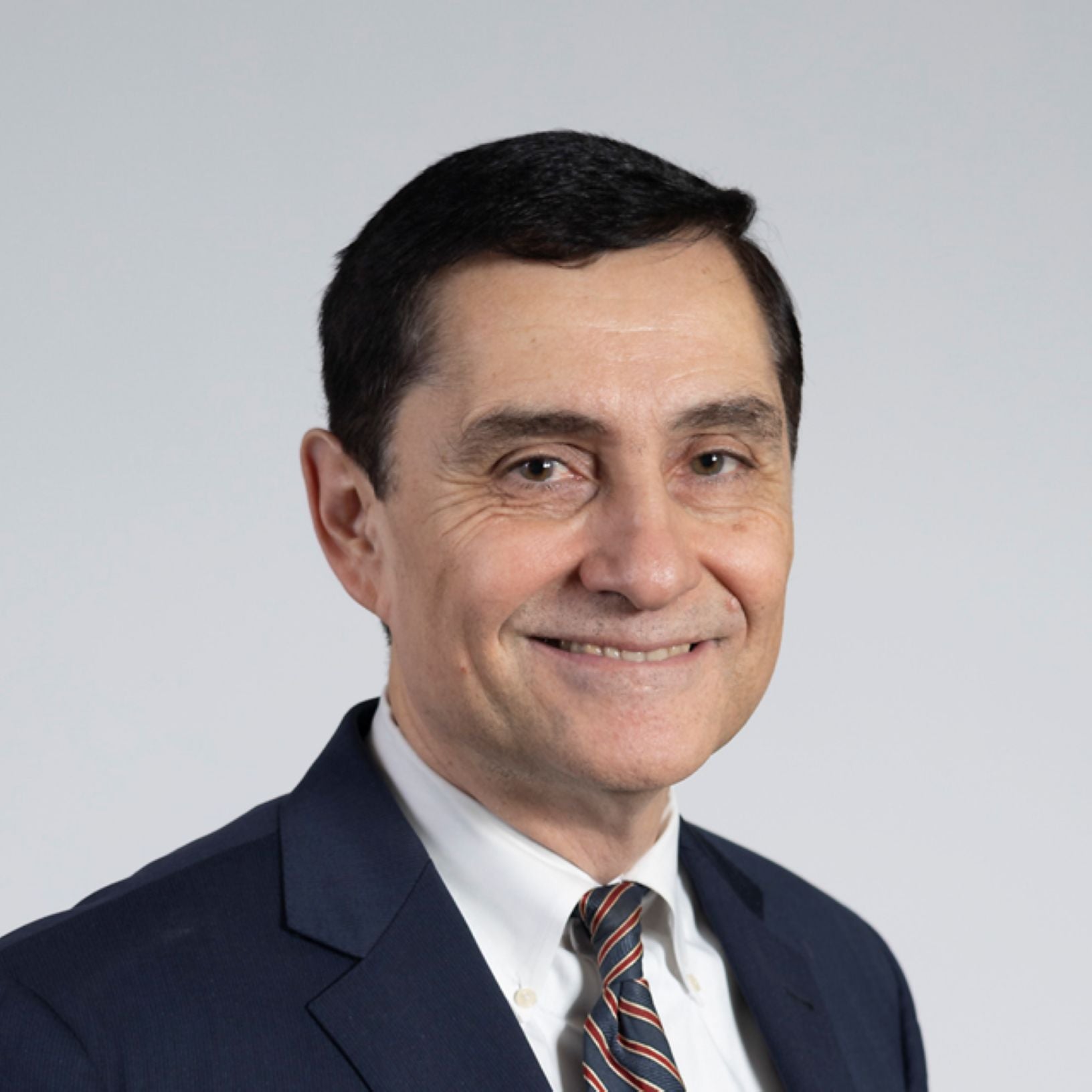
Tal Elhasid Felsenstein, MD
Research Fellow
Tal Elhasid Felsenstein, MD, is an Israeli physician and research fellow in the Dekel Lab at Massachusetts General Hospital and Harvard Medical School. She completed her medical education and clinical internship at Tel Aviv University. During her studies, she contributed to psychiatric research across several domains, including large-scale projects on schizophrenia and on the relationship between cognitive performance and psychiatric symptoms in female adolescents.
While training in medicine, she became fascinated by the stories and experiences of women navigating pregnancy, birth, and the postpartum period. This interest led her to pursue a qualification as a lactation consultant, reflecting her commitment to supporting maternal and infant wellbeing through both clinical and scientific work.
At the Dekel Lab, her research focuses on finding novel biological mechanisms by which peripartum maternal stress and trauma may shape infant development. She plans to pursue a residency in psychiatry, with a particular focus on women’s mental health.
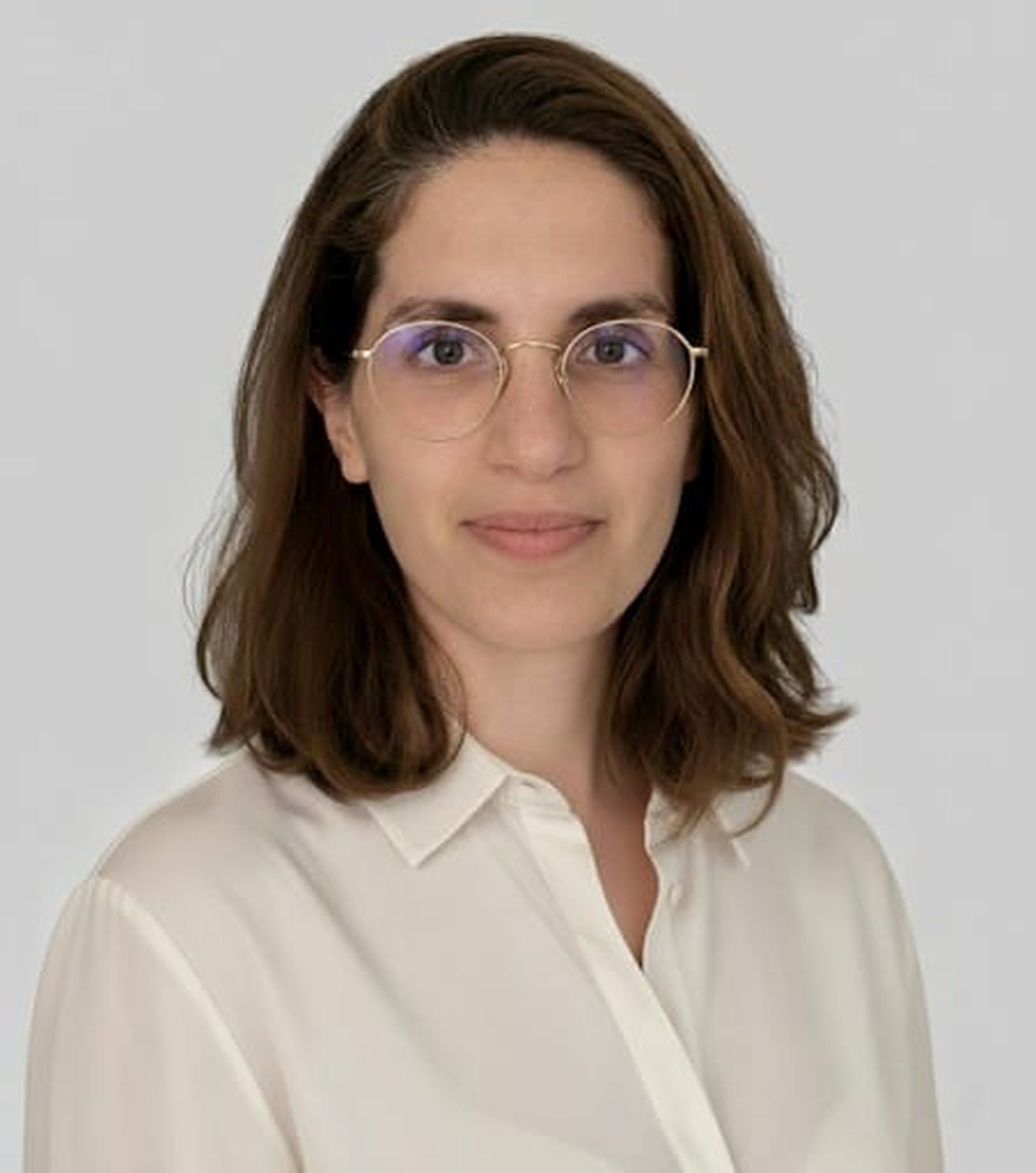
Maya Zegel, PhD
Postdoctoral Fellow
Maya has charted a clinical research career exploring mechanisms that underlie trauma/PTSD and substance use. After receiving her undergraduate degree from Boston University, Maya worked at McLean Hospital where she was responsible for multiple neuroimaging studies focused on substance use. Maya then earned her PhD in Clinical Psychology from the University of Houston, after completing a predoctoral internship specializing in addictive behaviors at the Edith Nourse Rogers Memorial Veterans’ Hospital in Bedford, MA. Throughout her clinical training, Maya has worked in unique settings including the Houston Fire Department, the McLean Hospital LEADER (Law Enforcement, Active Duty, Emergency Responder) Program, and multiple VA residential programs for substance use. She has experience treating substance use and trauma-related disorders using evidence-based protocols (i.e., ACT, CPT, CBT-SUD). Most recently, Maya worked as an Interprofessional Advanced Addictions Fellow within the VA Boston Healthcare System before joining Home Base as a Research Scientist Fellow.
Emeritus Founding Directors
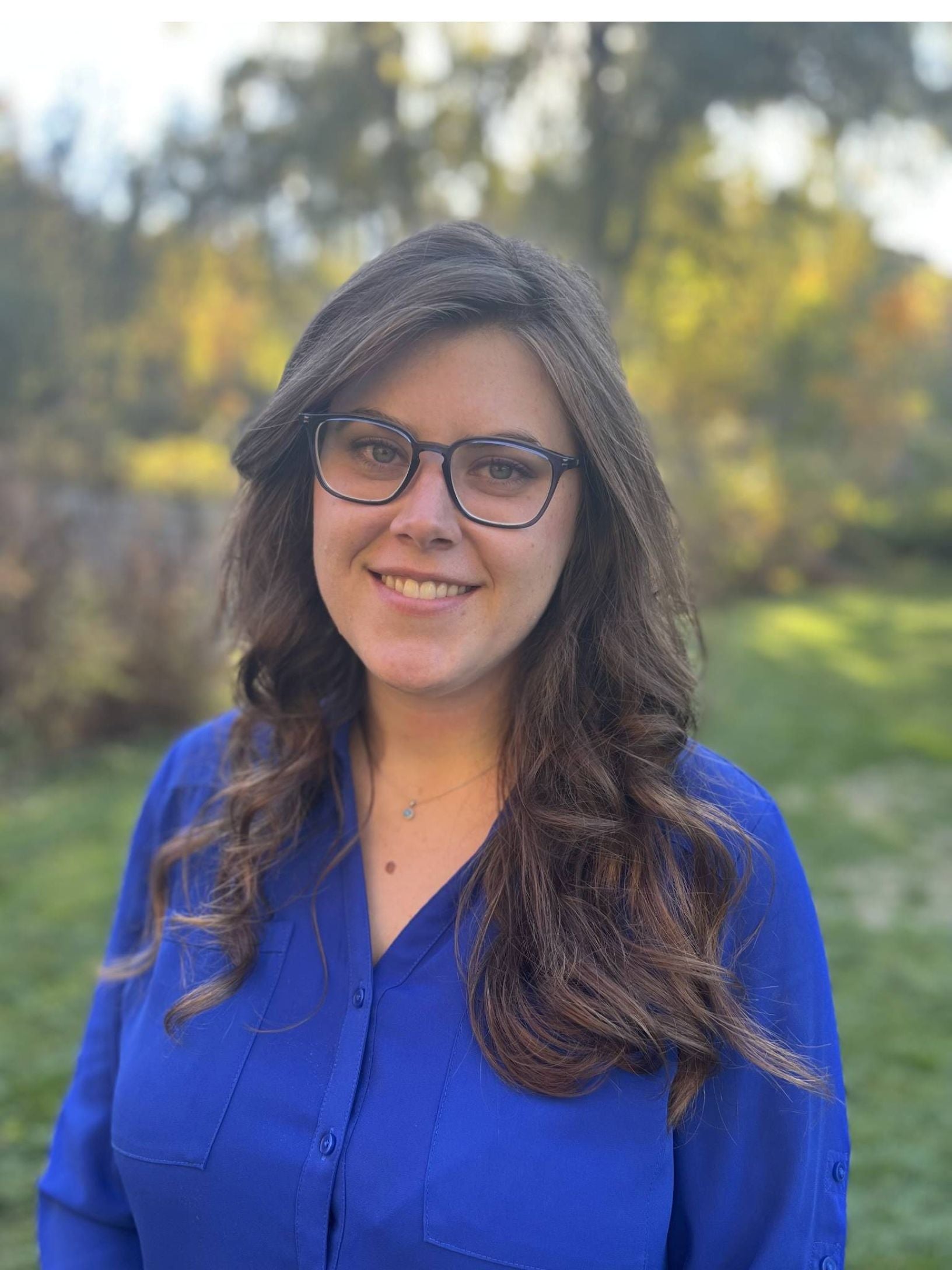
Scott P. Orr, PhD
Emeritus Founding Director
Dr. Scott Orr is an Associate Professor of Psychology at Harvard Medical School and a recipient of the International Society for Traumatic Stress Studies’ Award for Outstanding Scientific Achievement in the Field of Traumatic Stress. Over the past 40+ years, he has conducted innovative research on the psychobiology of anxiety and PTSD using psychophysiological, electrophysiological and neuroimaging methods. He has successfully administered and collaborated extensively on research projects as a PI, Co-Investigator and Consultant. His funded research experience includes multiple clinical trials investigating the efficacy of pharmacological and behavioral interventions targeting memory consolidation and reconsolidation blockade in PTSD. Dr. Orr has served as a mentor and consultant at the local, national, and international levels, providing hands-on training for the next generation of investigators in research methodology, data analysis, and psychophysiological techniques.
Roger K. Pitman, MD
Emeritus Founding Director
Dr. Roger Pitman is a psychiatrist at Massachusetts General Hospital and Professor of Psychiatry at Harvard Medical School, Boston, MA. He served as a psychiatrist in the U.S. Navy during the Vietnam era and went on to complete a 30-year career in the Department of Veterans Affairs prior to moving to MGH. He is the recipient of the International Society for Traumatic Stress Studies’ Award for Outstanding Scientific Achievement in the field of PTSD and its Lifetime Achievement Award.
Dr. Pitman’s research into the psychobiology of post-traumatic stress disorder (PTSD) spans more than 25 years. He has more than 100 peer-reviewed publications on PTSD and more than 200 overall publications in the general psychiatric and medical literature. He has authored or co-authored numerous structural and functional neuroimaging studies of PTSD. For the past 12 years, he has been conducting a large-scale, psychobiologic investigation of a national sample of monozygotic twins discordant for combat exposure in Vietnam.
His current major research interest is whether medications administered at the time of traumatic memory reactivation can weaken traumatic memories through reconsolidation blockade, which represents a potential novel treatment for PTSD.
Publications
Open Positions
We have ongoing research opportunities in our lab. To learn about postdoctoral and research fellowship positions, please contact Dr. Sharon Dekel at sdekel@mgh.harvard.edu
Research Volunteers
We are seeking student volunteers to assist with the operation of ongoing clinical research studies in our lab. Primarily responsibilities will involve screening candidates and recruiting subjects, data entry, and assisting with conducting the biological and psychological assessments of subjects as needed. Ideal candidates will be highly motivated with the strong interpersonal skills necessary to interact with patients and succeed in a dynamic work environment. If you are interested, please send your cover letter and resume to our research fellow Dr. Tal Elhasid Felsenstein at: ttelhasidfelsenstein@mgh.harvard.edu.