true

MGH Psychiatric Neuroimaging Division

The Mass General Psychiatric Neuroimaging Division is one of the largest clinical neuroimaging programs in the world and has conducted cutting edge translational neuroscience research for over three decades.

Overview

The MGH Psychiatric Neuroimaging Division comprises approximately 30 faculty investigators, who focus on understanding numerous disease areas across the lifespan with in vivo markers of brain biology. Co-located with the Athinoula A. Martinos Center for Biomedical Imaging at the Charlestown Navy Yard campus of MGH, the Division supports investigators at all career stages, and is a hub for collaboration across MGB departments and neighboring academic institutions. The Division has made seminal contributions to understanding psychiatric disorders on the levels of circuits and systems, bridging these findings to genetic and cellular mechanisms, and complementing clinical trials with biological insights. Its numerous embedded training programs offer world-class opportunities for those who wish to embark on careers in psychiatric neuroimaging.

Psychiatric Neuroimaging Faculty

Joshua Roffman, MD

The Mass General Early Brain Development Initiative combines neuroimaging with genetic, molecular, and developmental data to investigate the biological basis of serious mental illness. Current work examines how genomic variation and early life exposures shape brain development and risk for disorders such as schizophrenia. The laboratory aims to identify mechanisms and modifiable risk factors that can inform prevention and earlier intervention.
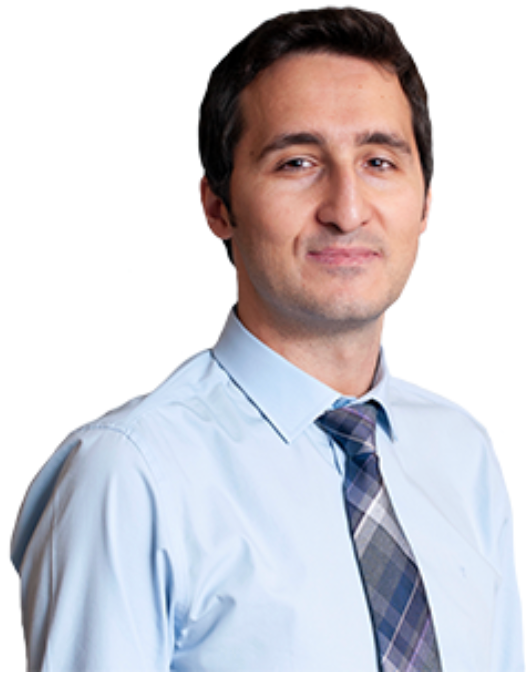
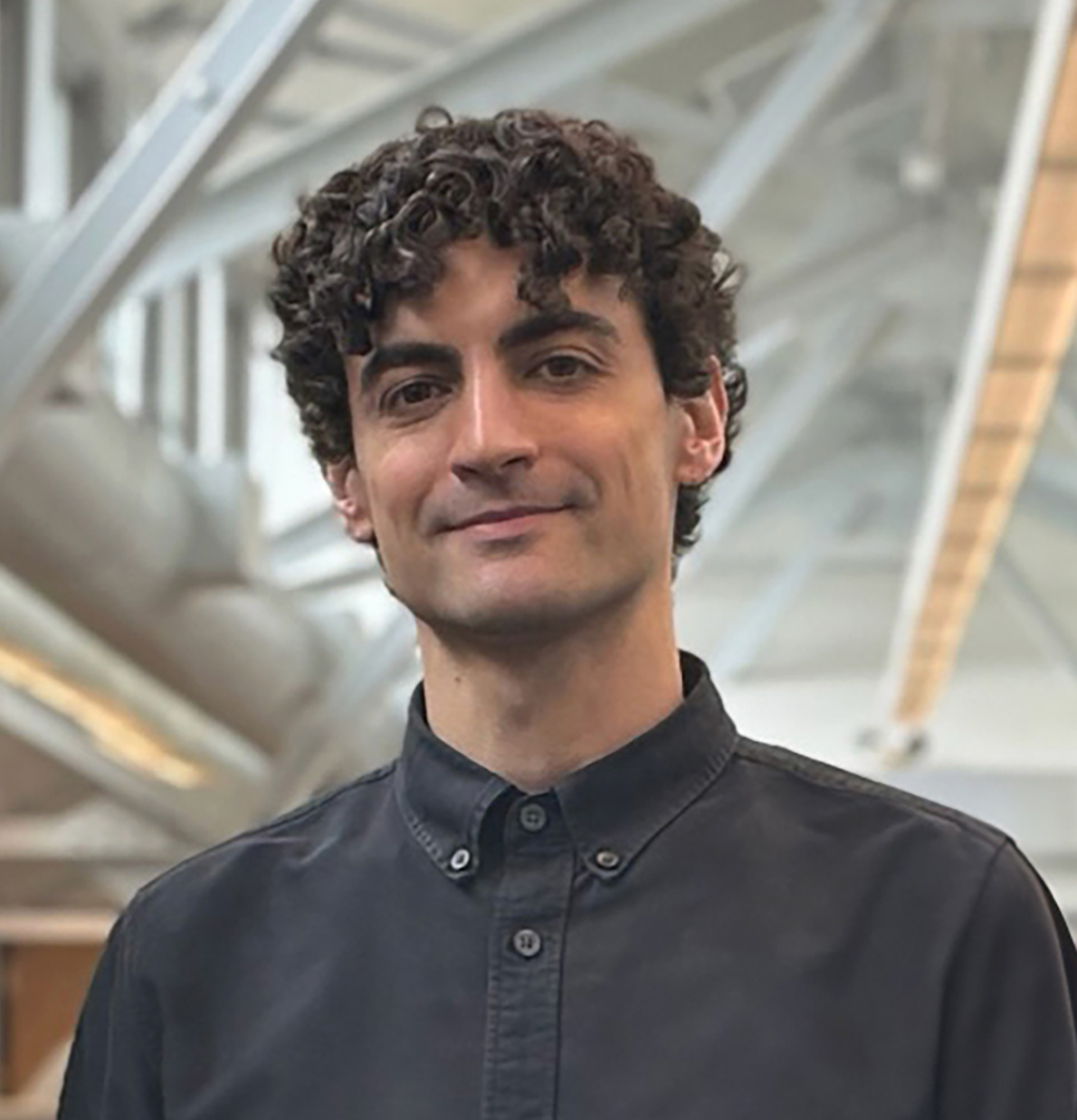
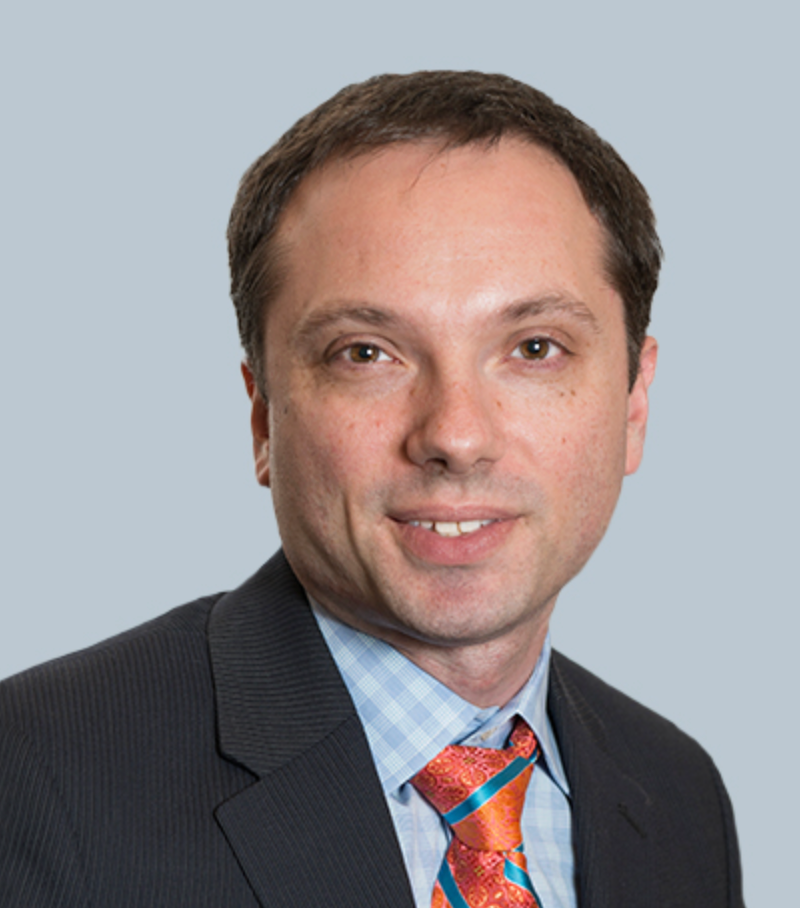
Joshua Roffman is depicted

Randy Hirschtick, MD, PhD

Dr. Hirschtick focuses on the intersection of neuroimaging technology and clinical neuroscience, advancing imaging methodology and its translational application. Using multimodal MRI—including BOLD fMRI, arterial spin labeling, diffusion, and structural imaging—to investigate neural mechanisms underlying pain, placebo analgesia, integrative treatments, and cognitive dysfunction in schizophrenia. More recent efforts apply high-resolution imaging approaches to study migraine pathophysiology, linking mechanistic insights with clinically meaningful questions. In parallel, she leads efforts to enable large-scale use of clinical imaging data for research through the development of IRB-compliant access to clinical images integrated with institutional data systems. Through leadership in multi-site consortia, the work has contributed to standards for MRI acquisition, harmonization, and data sharing, supporting the development of imaging biomarkers and large-scale multimodal datasets.
Randy Hirschtick is depicted

Nikos Makris, MD, PhD

The Center for Morphometric Analysis develops quantitative methods for studying human brain anatomy using advanced MRI and computational neuroanatomy. The center has produced widely used atlases and morphometric tools that support both basic neuroscience and clinically oriented research. Its work spans normal brain organization, neurodevelopment, and disease, and it collaborates broadly across Mass General Brigham to support neuropsychiatric, neurological, and neurosurgical investigations.
Nikos Makris is depicted

Dara Manoach PhD

The SCAN Lab studies how sleep and circadian physiology influence cognition and psychiatric symptoms. Using multimodal neuroimaging and electrophysiology, the lab investigates mechanisms of sleep-dependent memory consolidation and related neural oscillations in schizophrenia, autism, and related conditions. The program's long-term goal is to identify mechanistic targets that can inform new treatments to improve cognitive outcomes and daily functioning.
Dara Manoach is depicted

Lisa M. Shin PhD

The Laboratory for Stress and Posttraumatic Stress Disorder Research investigates the structural and functional brain signatures associated with stress and post-traumatic stress disorder (PTSD). Using neuroimaging and related clinical methods, the group examines both acquired changes and vulnerability markers that may increase risk for PTSD after trauma exposure. The lab also studies whether imaging biomarkers can help predict response to treatment in PTSD and risk for other stress-related health conditions.
Lisa M. Shin is depicted

Eve Valera, PhD

The Valera Lab studies traumatic brain injury related to intimate partner violence using neuroimaging, neuropsychological assessment, blood biomarkers, and clinical interviews. It also investigates the role of cerebellar and corticocerebellar circuits in psychiatric illness. Its work aims to clarify how brain injury and cerebellar dysfunction contribute to cognitive, affective, and behavioral symptoms with a specific emphasis on vulnerable populations.
Eve Valera is depicted

Jill Goldstein, PhD, MPH

The Clinical Neuroscience Laboratory of Sex Differences in the Brain examines why men and women differ in risk for psychiatric (major depression) and comorbid medical disorders (CVD) across the lifespan. The program integrates structural, diffusion, and functional imaging with genomics/transcriptomics, endocrinology, immunology, and autonomic physiology to study sex-dependent brain-heart mechanisms from fetal development through aging. Current work includes major depression, cardiometabolic comorbidity, and risk for Alzheimer's disease. The lab sits within the Innovation Center on Sex Differences in Medicine whose mission is to translate sex differences discoveries into development of sex-selective diagnostics and therapies. We are developing a novel neuromodulation device to target the neural-cardiac interface in a sex-selective way.
Jill Goldstein is depicted

Daphne J. Holt, MD, PhD

The Laboratory for Emotion and Social Neuroscience investigates the neural basis of emotional function and social behavior in health, at-risk states and neuropsychiatric illness. Using affective neuroscience and neuroimaging methods, as well as behavioral interventions to modify emotional and social functioning, the lab studies processes such as emotional learning and memory, social cognition and behavior, including interpersonal distancing. Studies have focused on understanding these processes in psychotic disorders such as schizophrenia and in populations at elevated risk for a range of mental illnesses. See also our work at https://www.resilienceandprevention.com/.
Daphne J. Holt is depicted

Hamdi Eryilmaz, PhD

The Laboratory for Neuroimaging and Neuromodulation of Cognition (LabNNC) investigates the neural circuitry underlying cognitive functions such as attention and working memory and how these circuits are disrupted in psychopathology. The lab uses functional MRI, EEG and noninvasive neuromodulation techniques such TMS and tES to identify targetable networks and evaluate whether circuit-based interventions can improve cognitive outcomes in neuropsychiatric conditions such as psychosis, depression and Long COVID.
Hamdi Eryilmaz is depicted

Jian Kong, MD

The Laboratory for Integrative Medicine, Neuromodulation, and AI develops evidence-based, nonpharmacological approaches to improve brain and body health. By integrating brain imaging, complementary and integrative medicine, neuromodulation, digital health, and artificial intelligence, the lab investigates mechanisms of treatment response and develops scalable interventions for chronic pain, cognitive aging, and psychiatric and neurological conditions.
Jian Kong is depicted

Sara Lazar, PhD

The Lazar Laboratory for Meditation Research studies the neural correlates of meditation and yoga in healthy individuals and clinical populations. Using structural and functional MRI, the lab investigates how contemplative practices influence brain organization, emotion, and cognition. The work aims to clarify mechanisms through which these practices may support health and well-being.
Sara Lazar is depicted

Matthew D. Sacchet, PhD

The mission of the Meditation Research Program is to establish a scientific understanding of, and also to share, advanced meditation. The Program’s research spans and integrates diverse fields across clinical science and medicine, computer/computational science, engineering, epidemiology, neuroscience, philosophy, psychology, and religious studies. Current projects examine advanced meditation and meditative development, including states, stages, and endpoints of practice. The Program also develops and disseminates advanced meditation training and educational resources to support individual well-being and collective health.
https://assets.massgeneralbrigham.org/adobe/assets/urn:aaid:aem:821b954c-6b76-4f66-82ee-cb6a14c9b649/as/Matthew-Sacchet.avif?assetname=Matthew+Sacchet.png