Basic Neuroscience Research
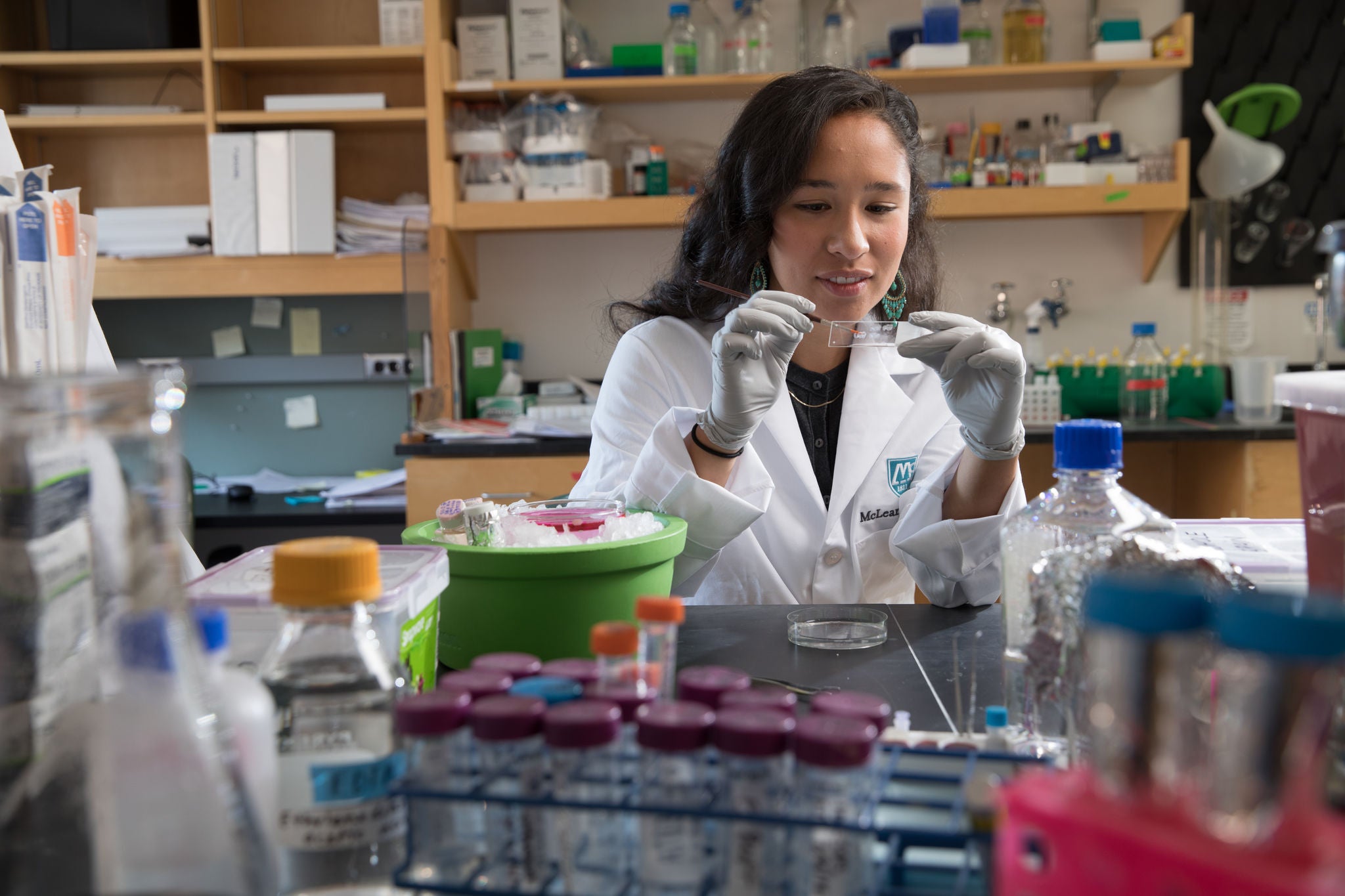
a female scientist holding a slide is depicted
standard-fill
Overview
Basic Neuroscience: Mapping the Brain
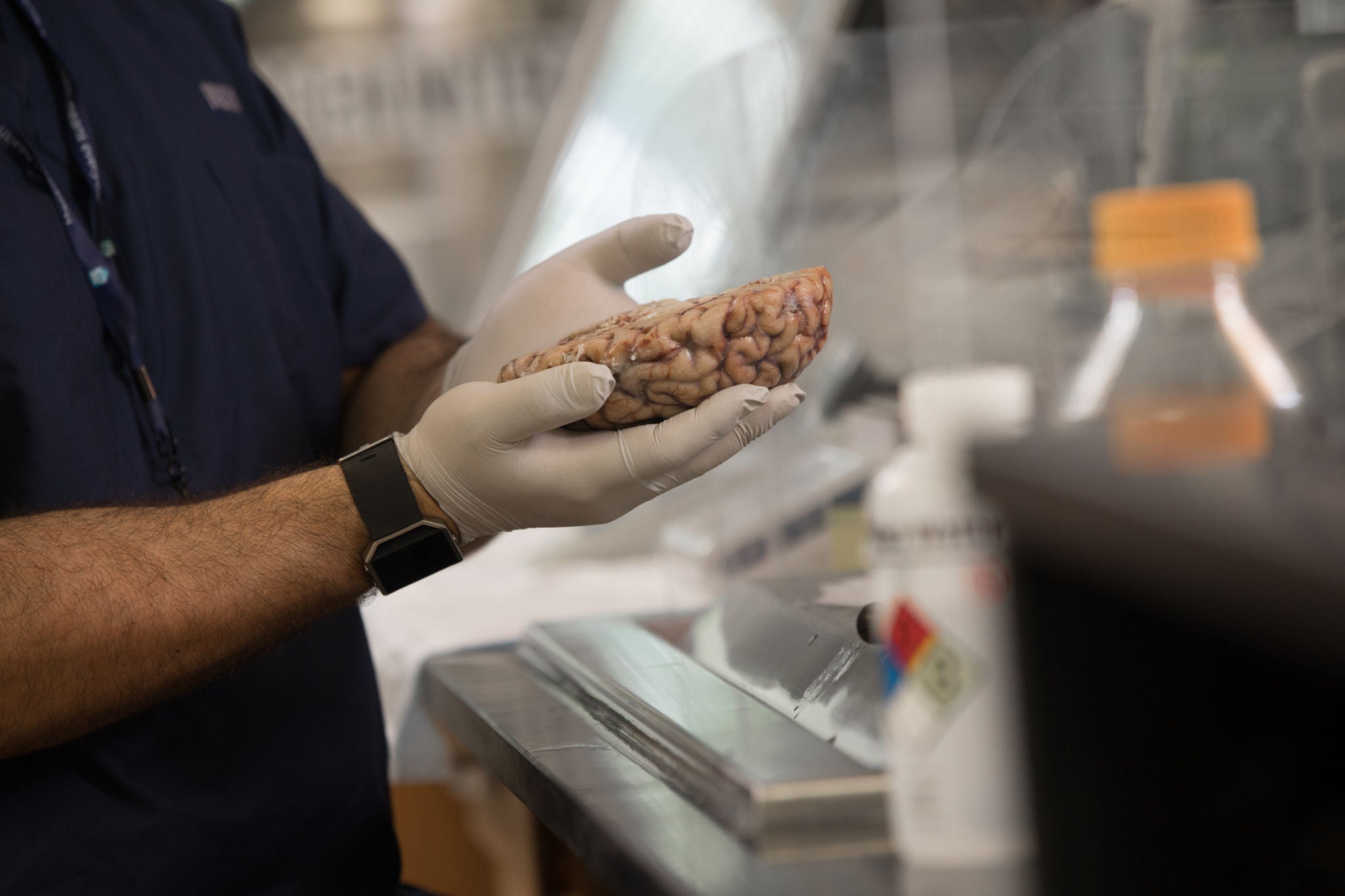
Neuroscientists use laboratory experiments, advanced computer modeling, and clinical observation to examine the brain’s fundamental mechanisms. By understanding how a healthy brain functions, researchers can pinpoint exactly what changes when disorders such as schizophrenia, depression, and substance use disorders are present.
The Foundation of Modern Treatment
Developing effective cures is impossible without a detailed map of the brain's complex systems. Basic neuroscience provides this foundation, allowing scientists to create targeted medications and precision therapies rather than relying upon broad, less-effective treatments. Working at the intersection of theory and practice, our researchers bridge the gap between "benchtop and bedside" by:
- Decoding Genetic Data: Analyzing biological markers in the brain and body to understand the roots of PTSD and anxiety.
- Investigating Neurobiology: Studying how environmental exposures such as stress and trauma can reshape the brain and lead to the core features of psychiatric illness.
- Targeting Root Causes: Identifying the specific brain regions and changes in cell function responsible for illness to develop precision approaches to treat, heal, and prevent some of the most debilitating psychiatric and neurological conditions.
With rapid changes in technology, ongoing investigations at McLean and partners across the globe are essential to transforming our understanding of mental health into life-saving innovations.
The Human Brain: A Biological Masterpiece
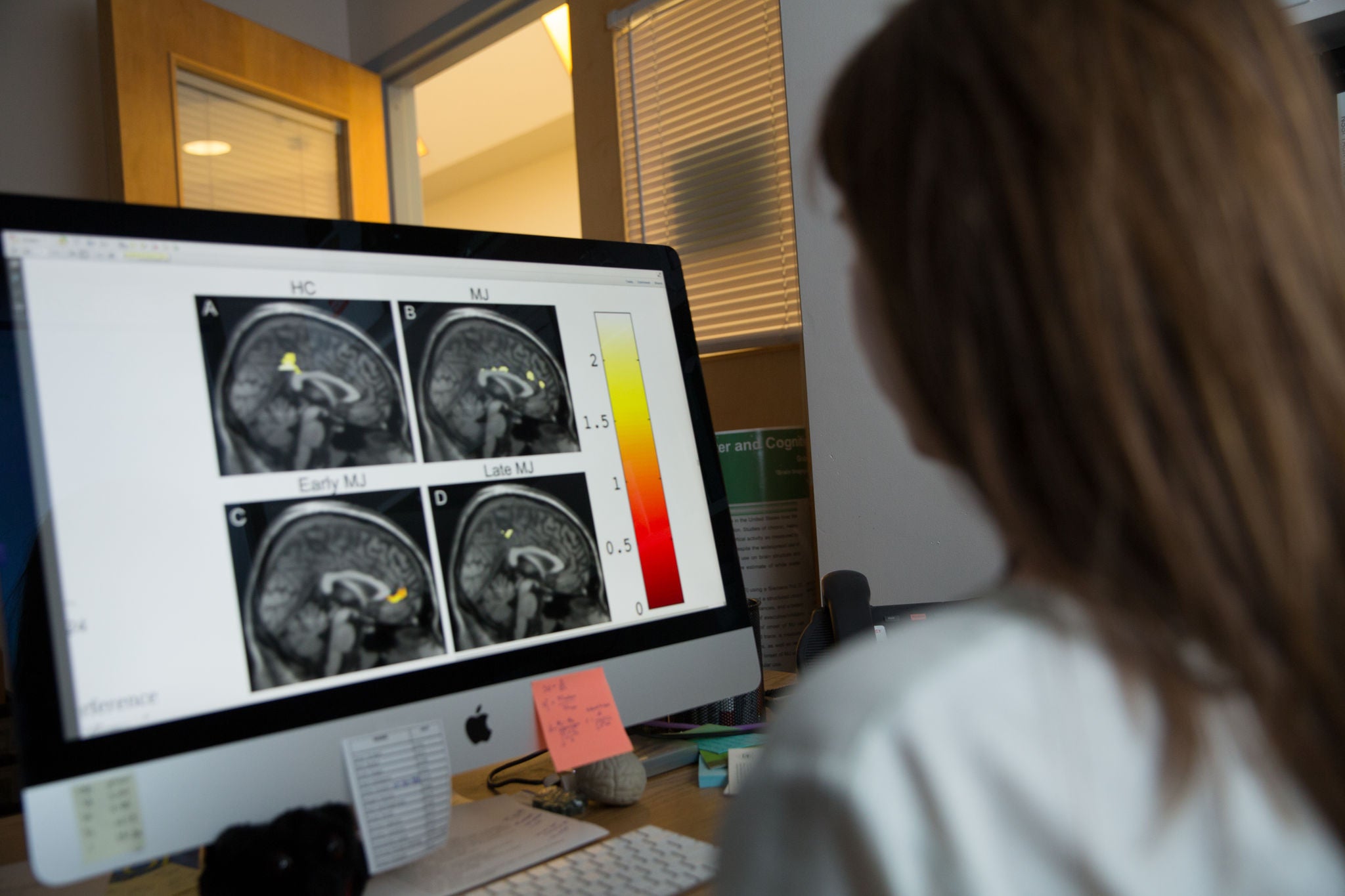
Weighing approximately three pounds, the human brain is an organ of staggering complexity—far more powerful than the world’s most advanced supercomputers. Every second, it processes hundreds of billions of bits of information. Its 100 billion neurons enable us to plan, solve problems, remember, and engage with the world around us.
When these functions are disrupted, mental health and neurological disorders can emerge. Irregular brain function can fundamentally alter a person's judgment, emotions, behavior, and their perception of reality, with major consequences for themselves, friends, and family.
Fast Facts About the Brain
- High-Energy: It generates approximately 23 watts of power while awake—enough to light a small bulb.
- Oxygen Demand: Despite its size, the brain consumes 20% of the body’s total blood and oxygen.
- Composition: About 60% of the brain is made of fat, making it one of the fattiest organs in the body.
- Vast Network: The blood vessels within the brain stretch nearly 100,000 miles in length.
- Rapid Development: In early pregnancy, the brain creates 250,000 new neurons every minute.
- Deep History: Formal study of the human brain dates back as far as 70 AD.
Basic Neuroscience at McLean
McLean Hospital is a global leader in basic neuroscience, utilizing cutting-edge technology to accelerate the discovery of causes and cures for neuropsychiatric and neurodevelopmental disorders.
At the Jerry and Phyllis Rappaport Center of Excellence in Basic Neuroscience Research, our teams take a multi-angled approach to understanding the brain. McLean staff members are guided by three equally-important mission elements: patient care, research, and training & education.
- "McLean is able to lead 21st-century neuropsychiatric research due to its integration of world-class treatment and innovative, cutting-edge research programs—all on the same campus." — Kerry J. Ressler, MD, PhD, Chief Scientific Officer
- “We strive to be at the cutting edge of understanding how brain-body interactions can be leveraged to enable transformative improvements in mental health” — William A. Carlezon Jr., PhD, Chief, Basic Neuroscience Division
Our Research Methodologies
With more than 300 neuroscience researchers on campus, we investigate brain function through two primary lenses:
- Targeted Research: A "narrow-focus" approach to understanding how specific genes or localized brain circuits affect behavioral outcomes.
- Systems Research: A "broad-focus" approach to understanding how the brain and other organs work together in both healthy and unhealthy states.
From Discovery to Recovery
Our collaborative efforts have led to groundbreaking progress in the treatment of:
- Mood and anxiety disorders
- Substance use disorders
- Schizophrenia
- Autism
- Neurodegenerative diseases
By investigating cellular mechanisms and using new technologies for cognitive assessment, McLean continues to turn laboratory discoveries into effective, life-changing therapies.