McLean Clinical Research
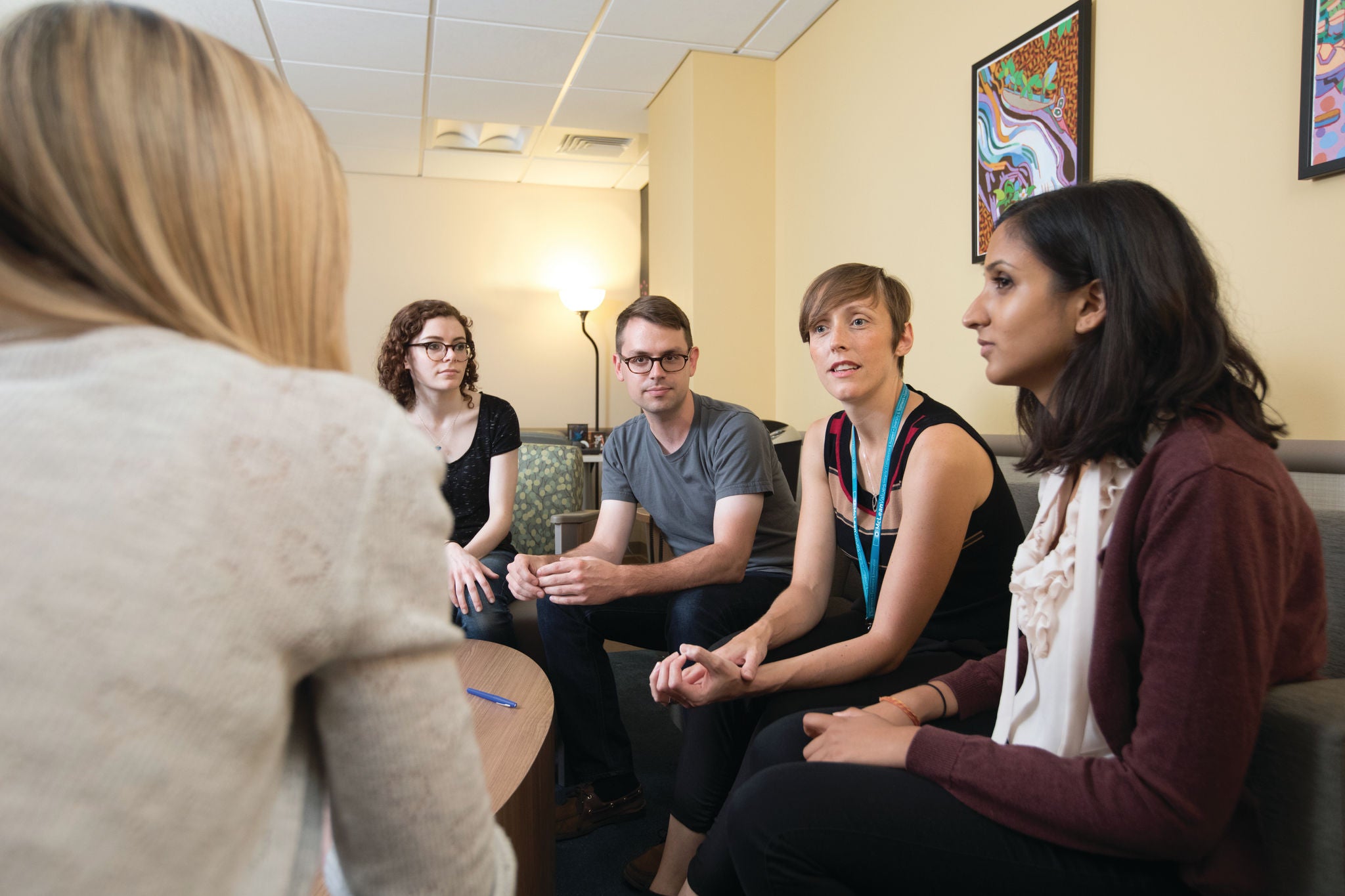
a group of individuals sitting in a circle is depicted
standard-fill
Clinical Research at McLean
McLean Hospital has pioneered psychiatric research since 1888, when it became the first U.S. psychiatric hospital to establish basic and clinical laboratories. Today, our goal remains the same: innovations that deliver tomorrow’s treatments.
Advanced Diagnostic Tools
Our investigators use a multi-modal approach to study the brain and human behavior across the lifespan:
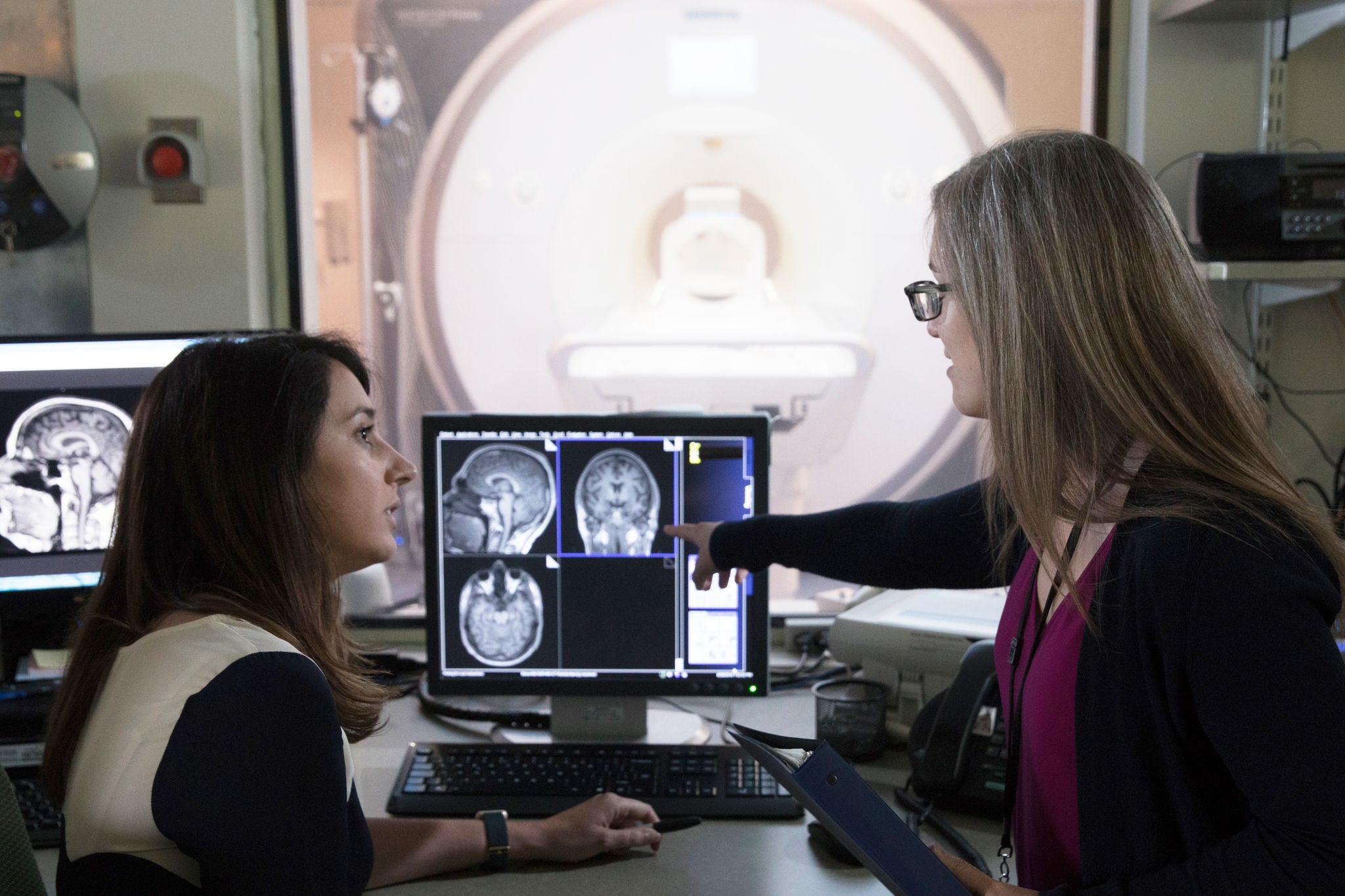
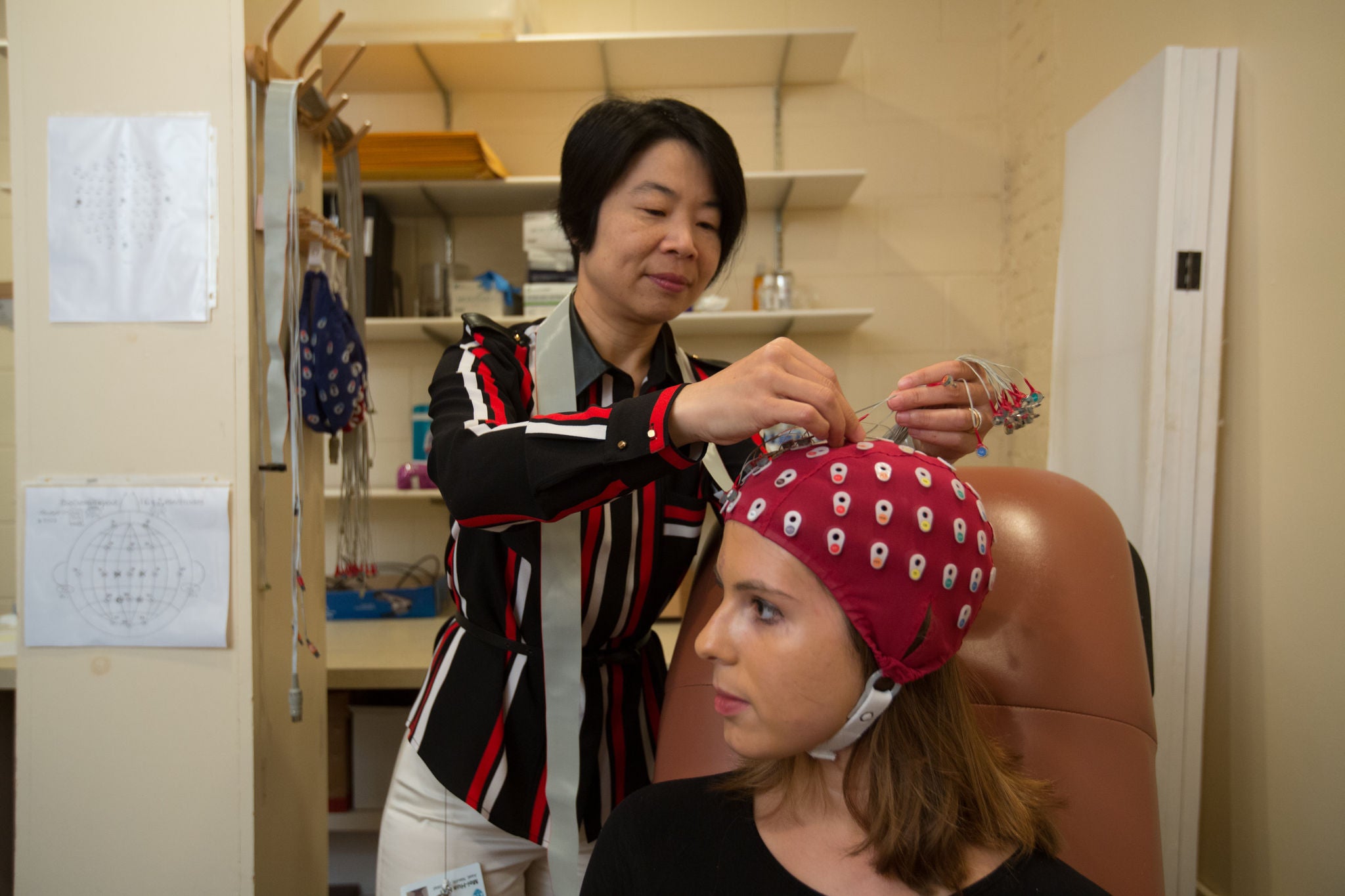
- Neuroimaging: Non-invasive EEG and MRI to map brain activity.
- Digital Phenotyping: Utilizing wearables and smartphones to track real-world health data.
- Cognitive Assessments: Computerized testing and specialized questionnaires.
- Biomarkers: Analysis of blood and other samples to study human biology
The Translational Edge
We bridge the gap between the laboratory and the clinic. By collaborating with basic neuroscientists, our clinical researchers translate complex study findings into real-world applications that directly benefit patients.
Partnering with Patients
Patient participation is the engine of discovery. While entirely voluntary and strictly confidential, many patients choose to join our studies to help drive advances in mental health care.
Clinical Innovation
With knowledge of our patients, their needs and their priorities, McLean clinical researchers develop novel approaches to psychiatric treatments. Clinical research is the bridge that moves discoveries into real-world medical treatments and ultimately into improved healthcare policies.
The Role of Clinical Trials
Through scientific investigations involving human participants, researchers develop better ways to diagnose, prevent, and treat mental health disorders. These include:
- Treatment Testing: Carefully conducted trials for new medications and therapies.
- Data Collection: Targeted tests and surveys to gather patient insights.
- Human Connection: Collaborative research with volunteer participants to ensure safety and efficacy.
Benchtop to Bedside
Clinical research transforms laboratory discoveries into human medicine. This process ensures that new treatments are not only innovative but also safe and effective for real-world use.
The Lifecycle of a Clinical Trial
Most breakthroughs follow a rigorous, step-by-step path:
- Basic Science: Initial discovery within the laboratory.
- Animal Models: Early testing to observe biological effects.
- Human Trials: Carefully monitored studies with volunteers to confirm efficacy.
Types of Clinical Investigations
Research at McLean occurs both in the lab and within active treatment programs:
- Treatment Studies: Testing new medications for conditions like anxiety, depression, psychosis, and substance use.
- Observational Research: Collecting data on real-world experience to improve how mental health care is delivered.
- Diverse Populations: Recruiting volunteers across different ages, genders, and ethnic groups—including healthy individuals to establish "baseline" data.
Clinical Research vs. Medical Care
Clinical research is not the same thing as standard medical care. If we knew what new treatments are most effective for patients, we would already implement them. In situations where we do not know the answers, we conduct clinical research. While participants may see improvements in their condition when participating in research, it is important to distinguish research from standard medical care:
- The Protocol: Researchers must follow a strict, unchanging scientific plan (protocol) to ensure the results about treatment interventions can be interpreted.
- The Mission: The ultimate goal is to answer scientific questions about what treatments work for which patients so that we can benefit future generations.
- Voluntary Participation: Joining a study is always optional and never affects a patient’s access to standard care.
Driving Innovation
For decades, McLean’s clinical researchers have been at the forefront of psychiatric discovery. By pioneering new treatments and deepening our understanding of the brain, we have helped thousands of individuals reclaim their lives from mental illness.
A Collaborative Mission
Progress is fueled by a unique partnership between:
- Clinicians & Researchers: Bridging the gap between the lab and the hospital room.
- Study Volunteers: Providing the vital data needed to validate new therapies.