Bhattacharyya Lab
Email: bhattacharyya.raja@mgh.harvard.edu
Overview
Bhattacharyya lab investigates the interplay between two AD risk factors, BIN1 and RIN3, and how their crosstalk drives endolysosomal abnormalities and mitochondrial dysfunction in vitro and in vivo models of AD.
Beyond targeting individual proteins or signaling pathways, the lab also emphasizes a systems-level, biophysical approach—examining how organelle architecture is regulated, particularly ER–mitochondria contact spacing, defined as the Mitochondria-Associated ER Membrane (MAM) gap width.
Research Projects
From Endosomal Dysfunction to AD Pathology: Role of BIN1-RIN3 Interaction
The overall objective of this project is to define the mechanistic role of BIN1–RIN3 crosstalk and RAB5 hyperactivation driving sustained early endosomal pathology and its contribution to AD progression. We propose that targeting BIN1 or RIN3 may delay or prevent AD by restoring endolysosomal function prior to symptom onset. By establishing a causal link between early endosomal defects and later-stage pathology, this work addresses a critical knowledge gap that currently limits therapeutic development.
ER–Mitochondria Membrane Coupling as a Tunable Upstream Driver of Alzheimer’s Disease
The project asks the same overarching question whether targeting early pathology will prevent or delay AD progression but shifts the focus from individual proteins or pathways to a systems-level, biophysical regulation of organelle architecture, specifically, the protein- and lipid-rich gap between the endoplasmic reticulum (ER) and mitochondria at mitochondria-associated ER membranes (MAMs). This work will establish whether MAM gap-width plasticity is a druggable node in early AD, addressing a critical gap in current therapeutic strategies that focus on late-stage pathology. The overarching goal of our proposal is to redefine organelle contact sites as therapeutic targets for neurodegenerative diseases.
Research team
Raja Bhattacharyya, PhD
Principal Investigator
Dr. Raja Bhattacharyya (he/him) is an Assistant Professor of Neurology at Massachusetts General Hospital and Harvard Medical School. He is a cell biologist investigating the cellular and molecular mechanisms that drive early Alzheimer’s disease (AD) pathology.
Dr. Bhattacharyya’s research focuses on defining the earliest pathological events in AD, particularly endolysosomal dysfunction and mitochondrial dyshomeostasis, using animal models and CRISPR/Cas-engineered hiPSC-derived neural systems. His laboratory seeks to address a central question in AD therapeutics: can targeting early, pre-symptomatic cellular pathology prevent or delay disease progression?
His lab recently identified functional crosstalk between two AD risk genes, BIN1 and RIN3, in regulating endolysosomal homeostasis—an early cellular process disrupted long before clinical symptoms emerge. Using CRISPR-edited RIN3 and BIN1 knock-in and knock-out hiPSC models, as well as constitutive RIN3 knockout mice; the lab is testing whether early endolysosomal defects are causally linked to later-stage amyloid and neurodegenerative pathology. These studies aim to fill a critical knowledge gap that currently limits the development of early-stage therapeutic strategies.
Beyond individual genes and pathways, including RAB5-mediated endocytosis, Dr. Bhattacharyya’s lab also investigates the systems-level biophysical regulation of organelle architecture. A major focus is the protein- and lipid-rich interface between the endoplasmic reticulum (ER) and mitochondria at mitochondria-associated ER membranes (MAMs). His team has demonstrated that MAM gap-width plasticity is a tunable determinant of mitochondrial dysfunction and amyloid pathology, positioning organelle contact sites as novel and druggable regulatory hubs.
The overarching goal of the Bhattacharyya lab is to redefine early cellular pathology and organelle contact sites as actionable therapeutic targets for neurodegenerative disease. By intervening before irreversible downstream damage occurs, this work aims to shift the treatment paradigm toward prevention and early disease modification in Alzheimer’s disease.

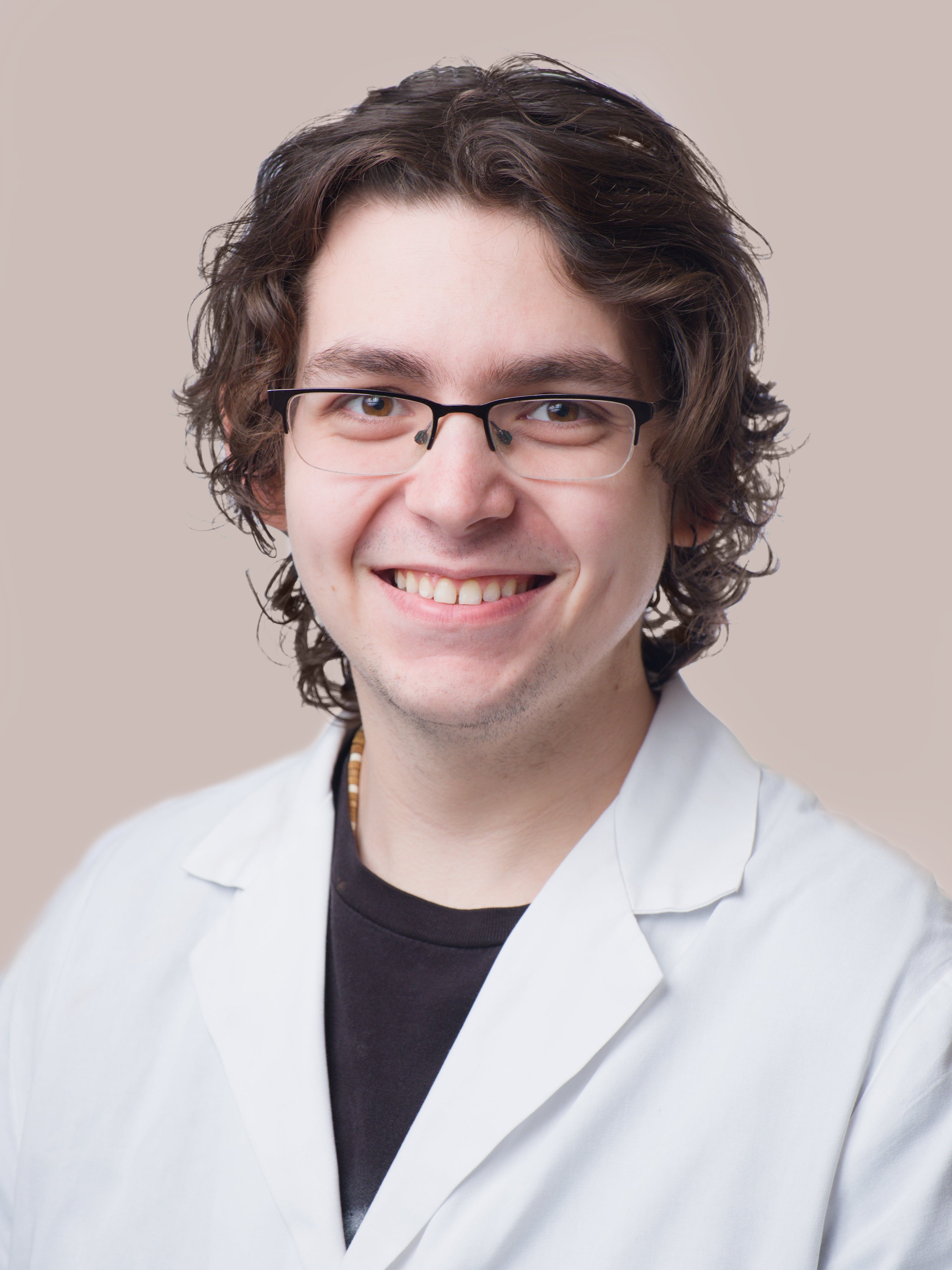
Jacob C. Zellmer
Senior Research Laboratory Tech
Jacob carries out a broad range of technically advanced research activities and procedures, such as live-cell imaging, confocal microscopy, FRET/FLIM Assay, Mouse breeding, and dissection. Helps onboard new staff and train them in the lab.