Laboratory for Neuroimmune Engineering
Email: mjorfi@mgh.harvard.edu
Call: 617-726-8307
Overview
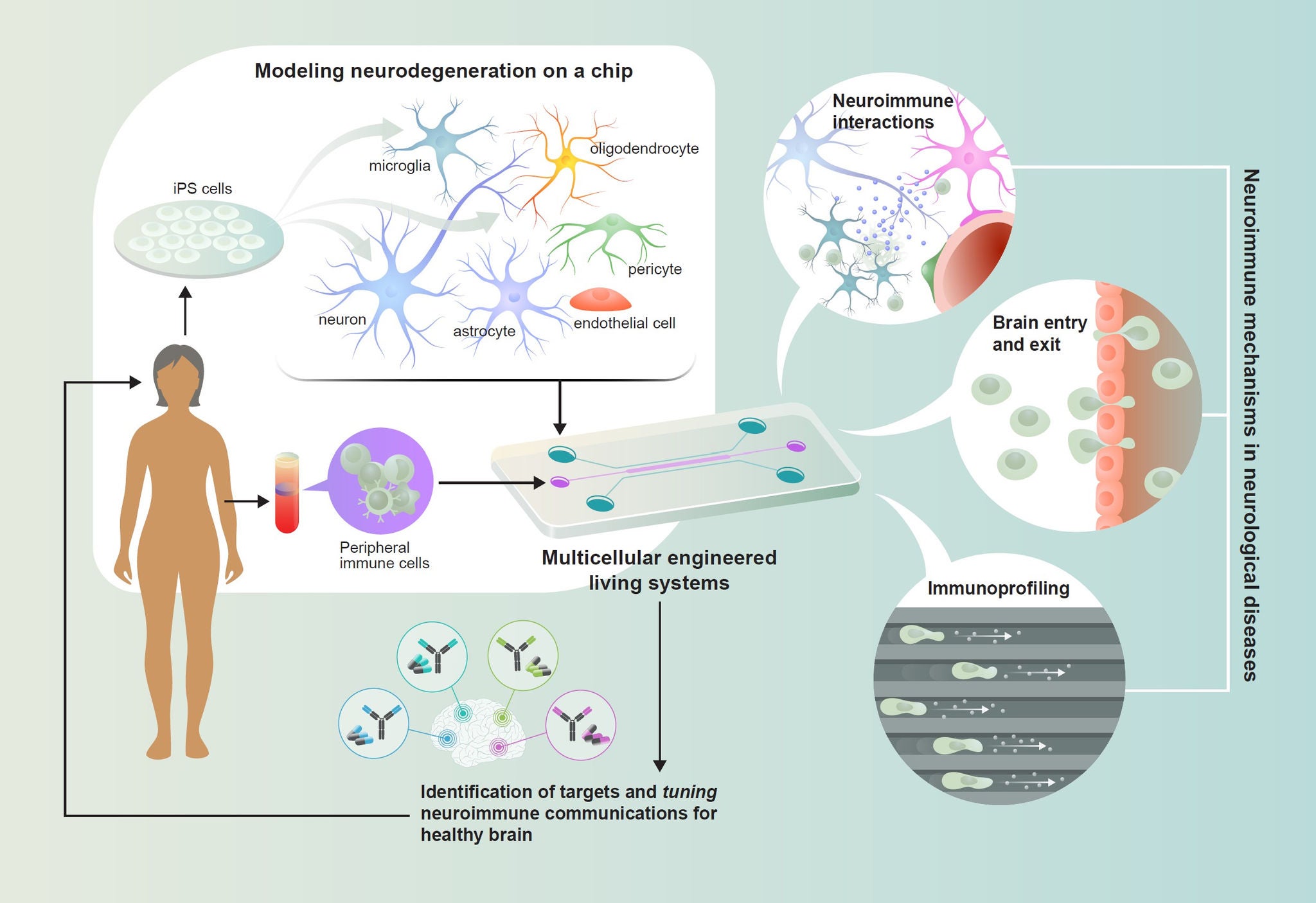
The brain and immune system are in constant communication, yet we still understand remarkably little about the rules that determine whether these interactions protect the brain or contribute to degeneration. The Jorfi Lab studies this relationship in Alzheimer's disease (AD) and brain aging, with a particular interest in why immune responses can be beneficial in one context and harmful in another. A central principle of our work is that immune cells are not uniformly detrimental or protective. Some immune populations and programs contribute to neuronal injury, while others support surveillance, clearance, repair, homeostasis, and resilience. We seek to understand this functional diversity and how it changes across aging and disease. By combining human tissue and patient derived cells with engineered neuroimmune systems, molecular profiling, genetic perturbation, computational analysis, and animal models, we aim to uncover fundamental principles of immune brain communication and translate them into new ways to preserve brain health.
THE CHALLENGE AND OUR APPROACH
The brain was once thought to be largely isolated from the immune system, but we now know that neural and immune systems communicate continuously. We therefore view AD not simply as a disease of amyloid and tau accumulation, but as a disorder that develops within a dynamic neuroimmune ecosystem. Understanding this ecosystem requires studying neurons, glia, brain barriers, and peripheral immune cells together rather than in isolation. Our engineered human neuroimmune systems allow us to reconstruct these interactions in controlled multicellular environments and connect observations from human disease to causal mechanisms. We integrate these models with patient samples, human molecular datasets, genetic and molecular perturbation, computational approaches, and in vivo studies when whole organism physiology is required. Across all of these approaches, our goal is to understand the biological principles that distinguish protective from detrimental immune responses and ultimately learn how harmful immune activity might be restrained while beneficial immune functions are preserved or strengthened.
OUR RESEARCH
Our research examines immune brain communication across four interconnected dimensions. Together, they allow us to study how signals move between the body and brain, how immune and neural cells communicate within the brain, and why the consequences of these interactions change with aging and disease.
1. BODY TO BRAIN
How does the body's immune system shape the brain? We study how changes in systemic immunity influence the brain across aging and AD. Our work examines interactions among circulating immune cells, brain barriers, and neural tissue, with the goal of understanding how peripheral immune activity contributes to either brain protection or dysfunction.
2. WITHIN THE BRAIN
What determines whether immune activity protects or damages neural circuits? Neurons, microglia, astrocytes, and infiltrating immune cells form an interconnected cellular network. We study how communication within this network influences synaptic function, neuroinflammation, neuronal survival, repair, and tissue homeostasis, and how these interactions are altered by aging, genetic risk, and disease.
3. BRAIN TO BODY
How does disease in the brain reshape immunity throughout the body? Communication between the brain and immune system is bidirectional. We investigate how changes within the aging and diseased brain influence peripheral immune states and whether systemic immune changes can provide insight into biological processes occurring within the brain.
4. RESILIENCE AND VULNERABILITY
What makes the aging brain resilient or vulnerable to immune challenge? The consequences of an immune response depend not only on the immune cells involved, but also on the state of the neural tissue they encounter. We study how aging and AD alter the interactions among neurons, glia, and immune cells and seek to understand the biological principles that allow some neural environments to remain resilient while others become increasingly vulnerable.
OUR GOAL
Our long term goal is to define the fundamental rules that govern communication between the immune system and brain. By understanding why neuroimmune interactions promote protection and resilience in some contexts but dysfunction and degeneration in others, we hope to develop new therapeutic strategies that restrain harmful immune activity while preserving and ultimately harnessing beneficial immune functions to support healthier brain aging.
Research Team
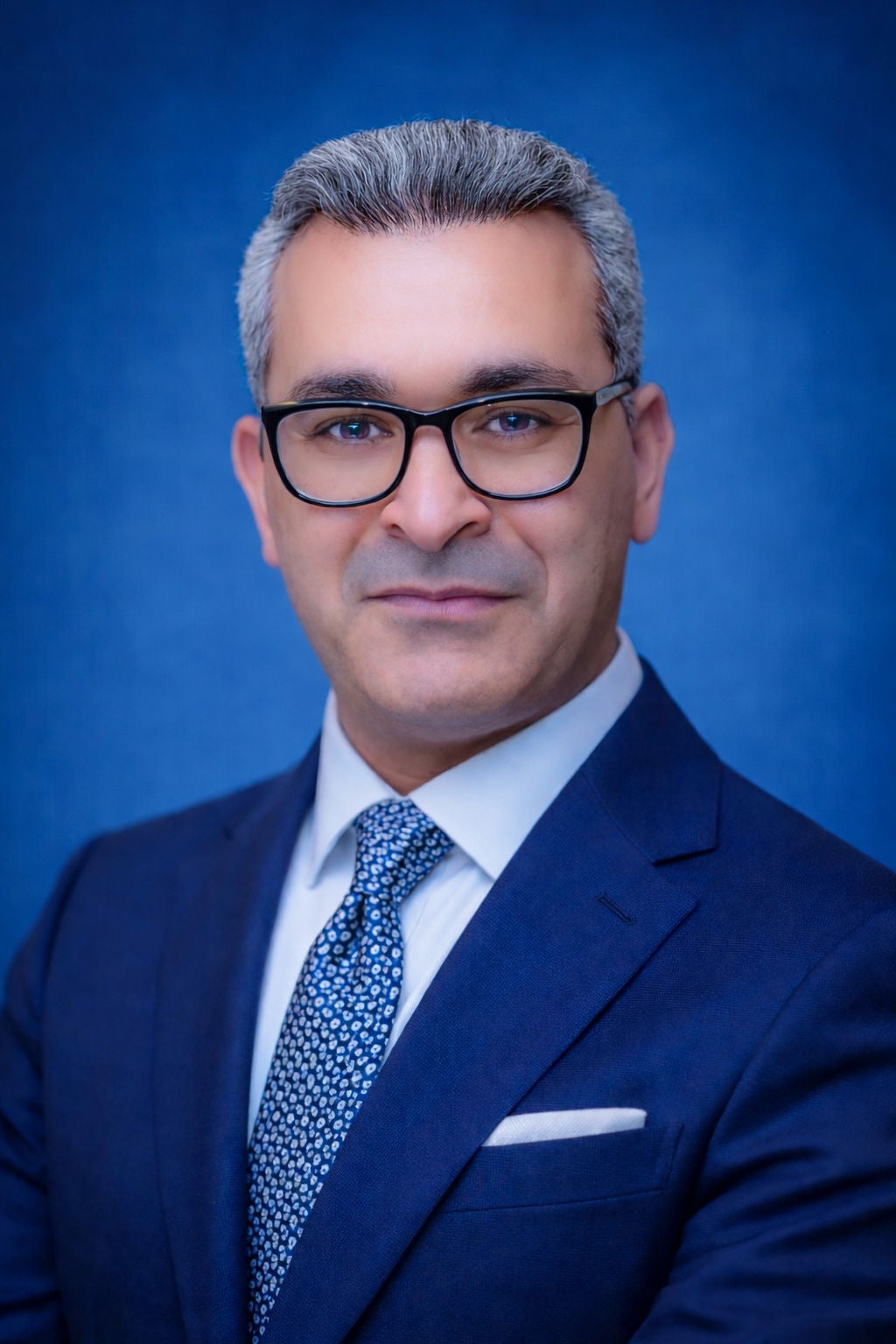
Mehdi Jorfi, PhD
Assistant Professor of Neurology, Harvard Medical School and Massachusetts General Hospital
Dr. Mehdi Jorfi is an Assistant Professor of Neurology at Harvard Medical School and Massachusetts General Hospital. He directs the Laboratory for Neuroimmune Engineering in the Genetics and Aging Research Unit, where his group builds human neuroimmune platforms to study neurodegeneration as a disorder of immune–brain circuits rather than neurons alone. His team combines stem cell–derived neural and glial models, brain barrier systems, patient-derived immune cells and brain tissues, and systems-level profiling to define and reprogram neuroimmune pathways in Alzheimer’s disease and related disorders.
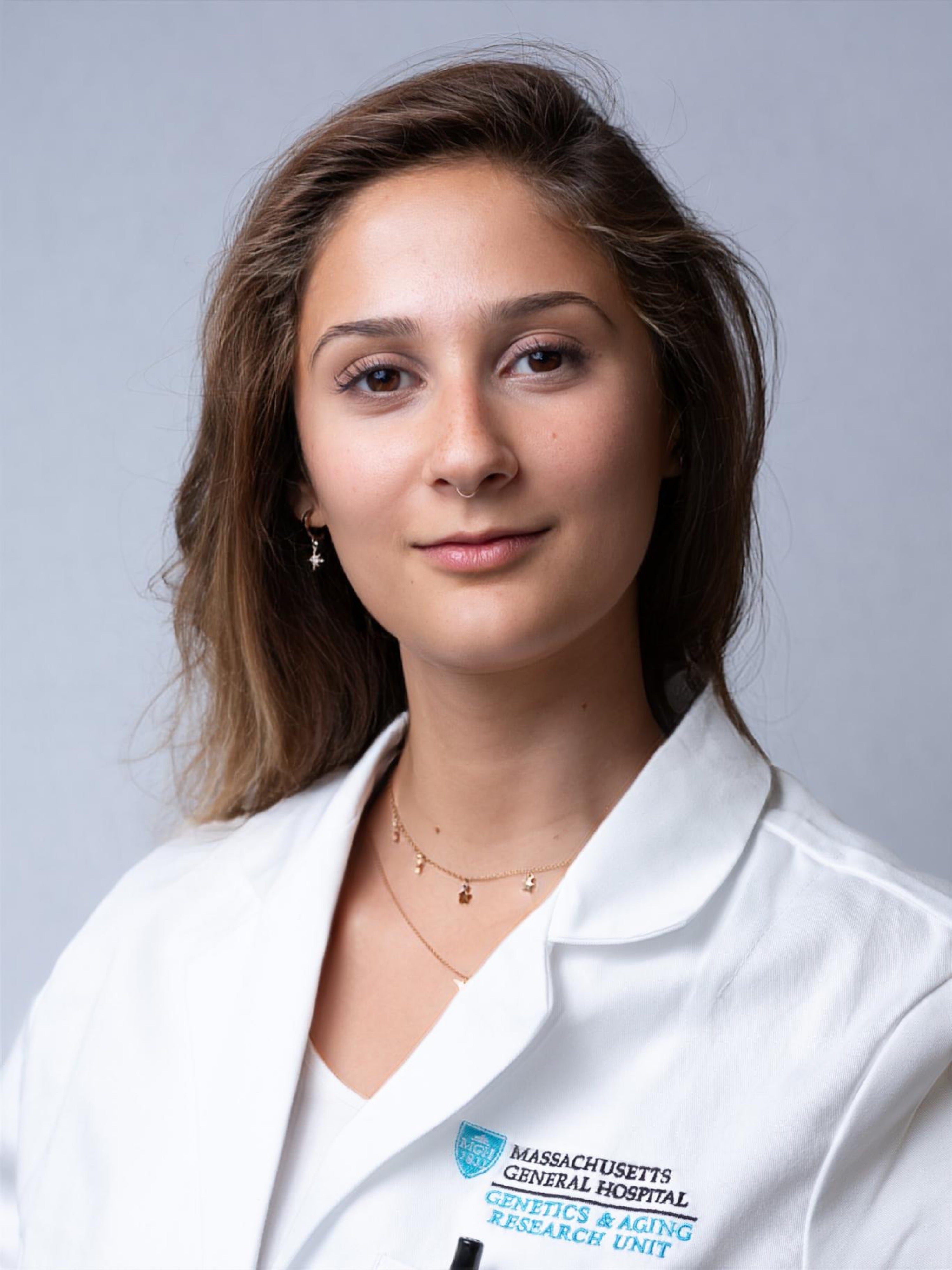
Lydia Sibley, PhD
Research Fellow
Dr. Lydia Sibley joined the Jorfi Lab in 2026 as a Research Fellow. Her research focuses on neuro-immune interactions that contribute to neuroinflammation and neurodegeneration using in vivo and in vitro models of Alzheimer’s disease. She received her PhD in Neuroscience from the University of Virginia, where her research elucidated immune mechanisms that regulate pathogen control and neuroinflammation in the brain, with a particular focus on CD8⁺ T cell–mediated restriction during Toxoplasma gondii infection. Outside of the lab, Lydia enjoys baking, knitting, reading, and traveling. Email: lasibley@mgh.harvard.edu

Diana Werner
PhD student
Diana Werner joined the Jorfi Lab in 2026 as a PhD student. Her research explores the role of neuro-immune interactions in Alzheimer's disease, with a focus on the cellular mechanisms underlying neuroinflammation and neurodegeneration. She received her M.Sc. in Molecular Cell Biology and Immunology from the University of Tübingen. During her master's research at the Hertie Institute for Clinical Brain Research, she investigated microglia-mediated inflammatory responses in an organoid-based model of Alzheimer's disease. Outside the lab, Diana enjoys hiking, climbing, listening to audiobooks, and exploring mountains around the world. Email: dcwerner@mgh.harvard.edu.
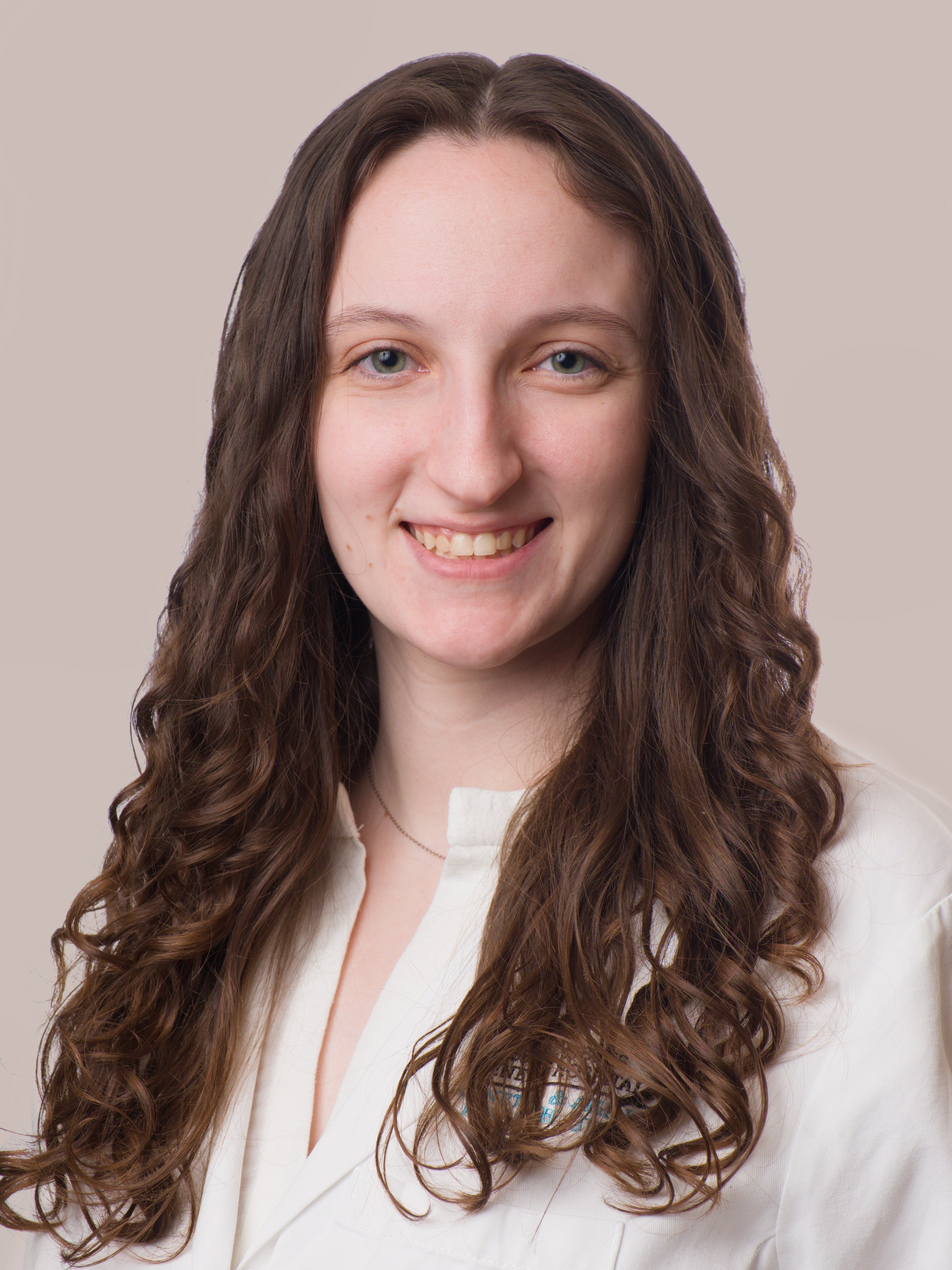
Sarah Verduci
Research Technician
Sarah Verduci is a Research Technician in the Jorfi Lab. Her research investigates neuroimmune interactions and translational targets of Alzheimer’s disease using patient-derived stem cell and immune cell models. She holds a B.S. in Neuroscience with High Honors from the University of Michigan and is particularly interested in using patient-derived models to develop personalized treatments of neurological disease. Outside the lab, she enjoys baking, sports, and exploring Boston. Email address: sverduci@mgh.harvard.edu
Katalin Czopf
Visiting Researcher
Katalin Czopf is a visiting researcher in the Jorfi Lab. She holds a B.S. in Biology from the Ludwig Maximilian University of Munich and is currently pursuing a Master's in Biomedical Engineering and Medical Physics at the Technical University of Munich. Her research includes understanding the cellular mechanisms that can be targeted to prevent or block neurodegeneration in Alzheimer's disease, as well as how to model these mechanisms and interactions in a microfluidic system. Beyond research, she enjoys trying out new sports, reading, and exploring the world. Email address: kczopf@mgh.harvard.edu

Laura Poloni
Visiting Researcher
Laura is a visiting researcher in the Jorfi Lab. She earned her B.S. in Biomedicine from the University of Zurich and is now completing a Master's degree in Biology at ETH Zurich, with a focus on Molecular Mechanisms of Disease. Outside the lab, she enjoys traveling, running, swimming and cooking. Email: lpoloni@mgh.harvard.edu

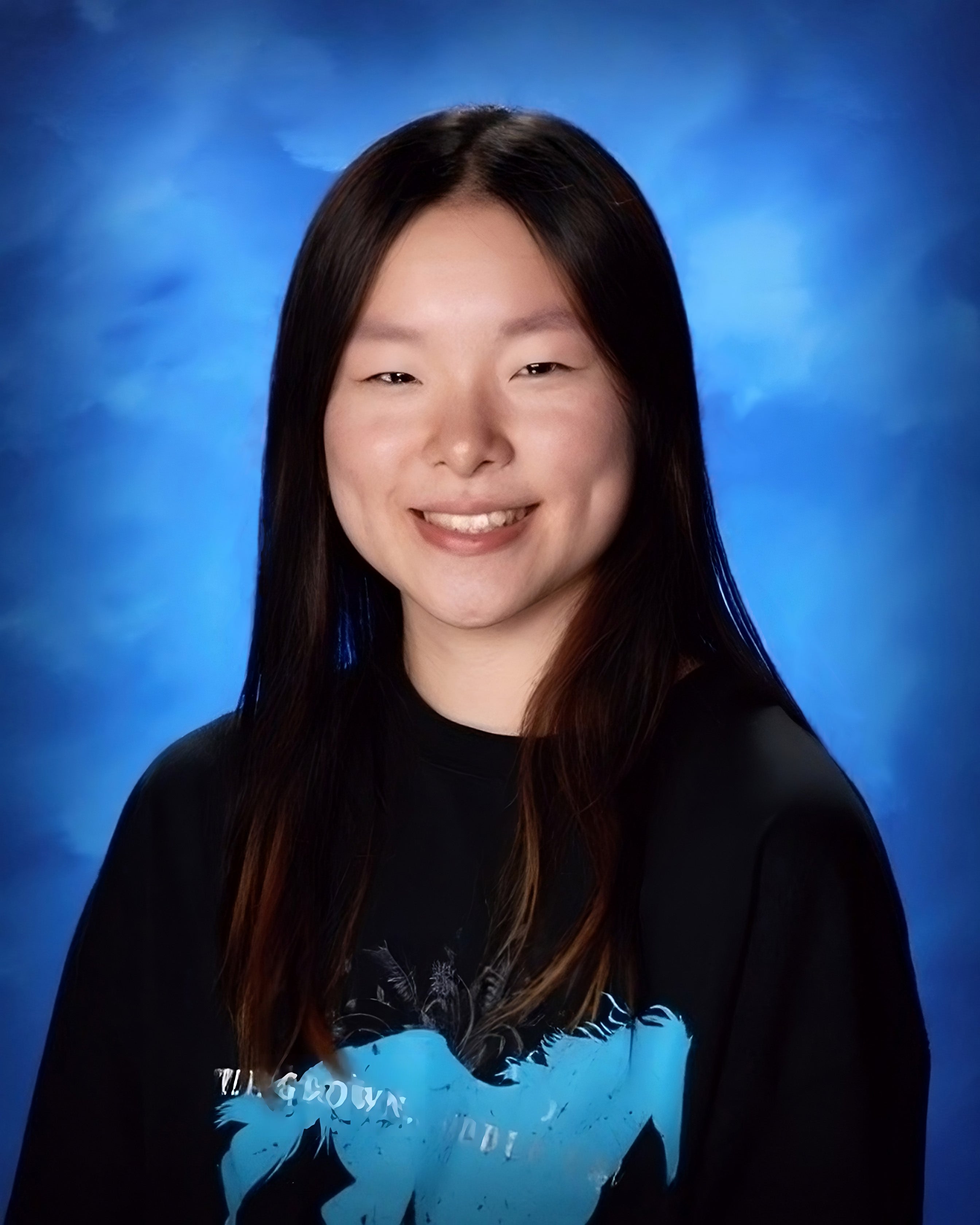
Yannis Chen
Undergraduate Student
Yannis Chen is an undergraduate neuroscience major at Boston University and a member of the Jorfi Lab. Her interests lie in understanding neurodegenerative diseases, with plans to attend medical school and specialize in neurology. Outside her academic work, she enjoys playing piano and exploring new cuisines. Email address: ychen172@mgh.harvard.edu
Max Lee
Undergraduate Student
Max Lee is an undergraduate intern in the Jorfi Lab. He is currently studying Neuroscience at Harvard College, with a focus on understanding and addressing neurodegenerative diseases. In the lab, Max is investigating the role of CD8+ T cells in Alzheimer’s disease using human stem cell–derived chip models to study their impact on neurodegeneration and brain inflammation. Outside the lab, he enjoys reading and exploring the best coffee shops around Boston. Email address: mlee129@mgh.harvard.edu
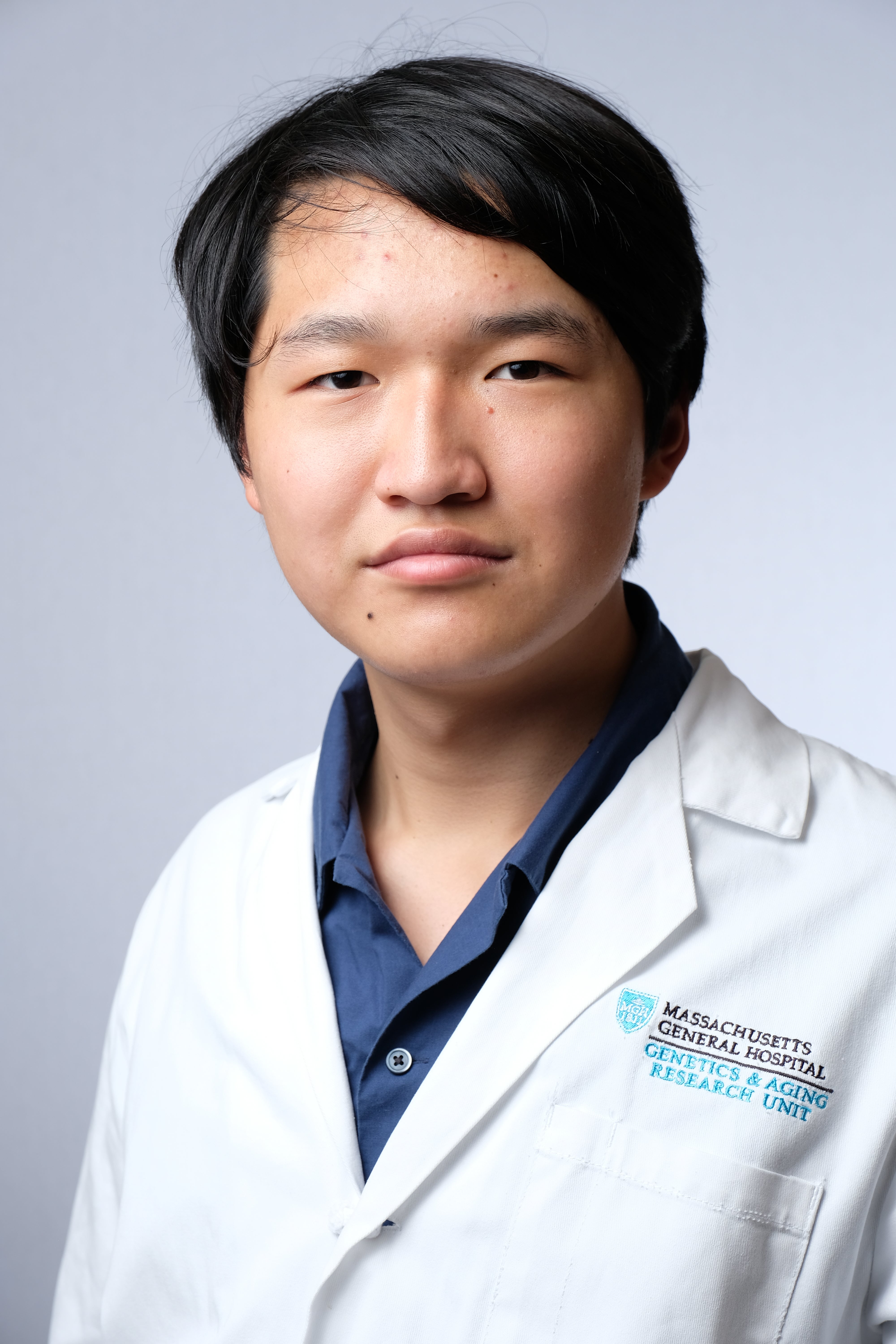
Langtian (Sky) Zhang
Undergraduate Student
Sky Zhang is an undergraduate researcher in the Jorfi Lab studying biomedical engineering, focused on the intersection of artificial intelligence and neuroimmunology. His work integrates transcriptomic profiling and drug-perturbation analysis to inform therapeutic candidates for neurodegenerative diseases. Outside the lab, Sky is an avid 2D artist and animator. Email address: lzhang96@mgh.harvard.edu

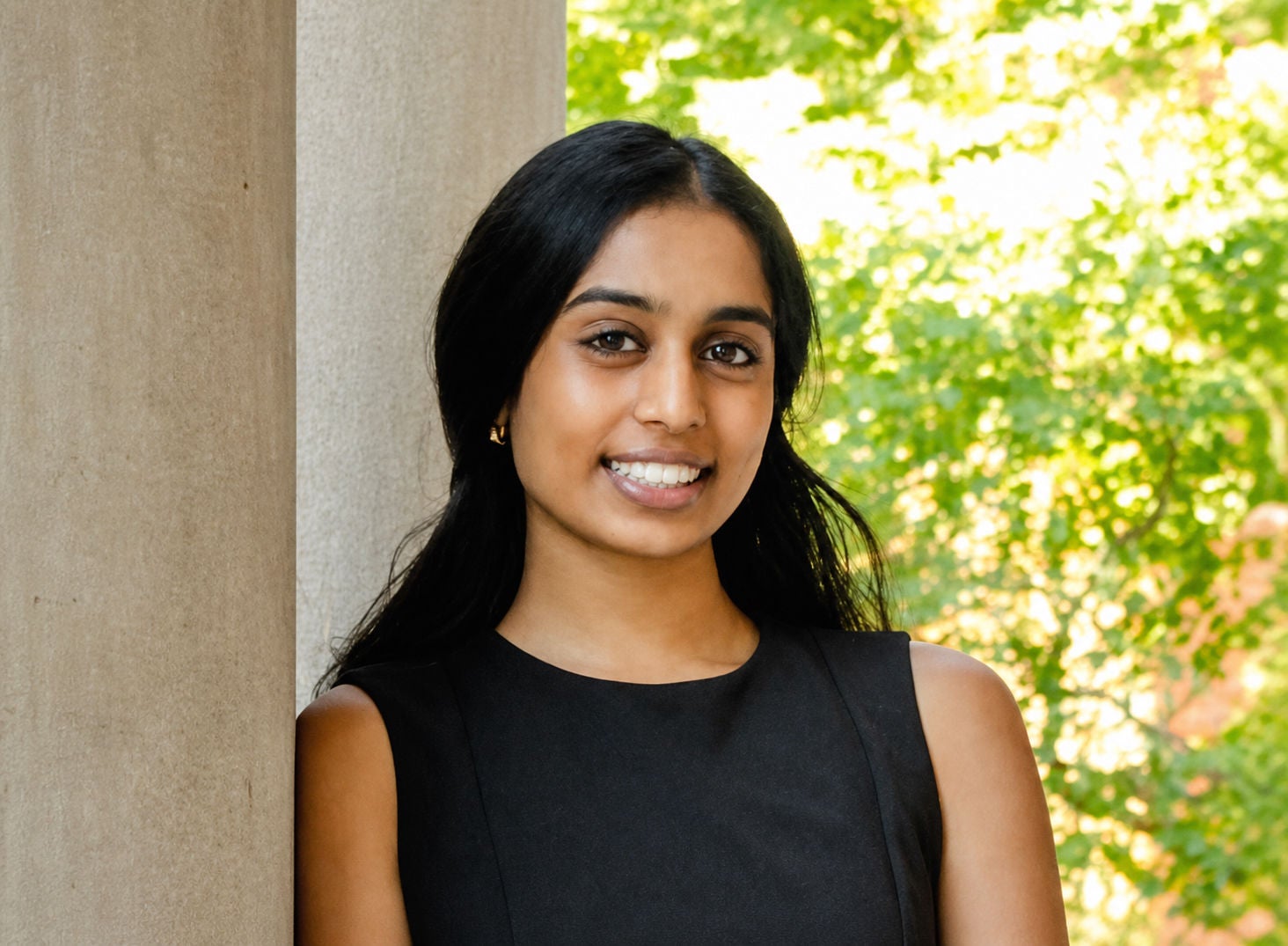
Vaishnavi Moturi
Undergraduate Student
Vaishnavi Moturi is an undergrad at Harvard College planning on pursuing Neuroscience with a secondary in Global Health and Health Policy. She is interested in studying the neuroimmune axis of neurodegenerative diseases with a focus on stem-cell derived models. She aims to integrate computational modelling with experimental neuroscience to better identify potential therapeutic avenues. Outside the lab, she enjoys running, dancing, and experimenting with new recipes. Email address: vmoturi@mgh.harvard.edu
Publications
Selected Publications
- Lin C', Tian Y, Tanzi RE*, Jorfi M*. Approaches for studying neuroimmune interactions in Alzheimer's disease. Trends Immunol. 2024 Dec;45(12):971-986. doi: 10.1016/j.it.2024.10.002. Epub 2024 Nov 12. PubMed PMID: 39537528.
- Butovsky O, Rosenzweig N, Kleemann KL, Jorfi M, Kuchroo VK, Tanzi RE, Weiner HL. Immune dysfunction in Alzheimer disease. Nat Rev Neurosci. 2026 Mar;27(3):196-218. doi: 10.1038/s41583-025-00997-0. Epub 2025 Nov 28. PMID: 41315874.
- Hall CK, Barr OM, Delamare A, Burkholder A, Tsai A, Tian Y, Felix E Ellett, Li BM, Tanzi RE, Jorfi M. Profiling migration of human monocytes in response to chemotactic and barotactic guidance cues. Cell Rep Methods. 2024 Sep 16;4(9):100846. doi: 10.1016/j.crmeth.2024.100846. Epub 2024 Sep 5. PMID: 39241776.
- Pavlou G, Spitz S, Pramotton FM, Tsai A, Li BM, Wang X, Barr OM, Ko EC, Zhang S, Ashley SJ, Maaser-Hecker A, Choi SH, Jorfi M*, Tanzi RE*, Kamm RD*. Engineered 3D human neurovascular model of Alzheimer's disease to study vascular dysfunction. Biomaterials. 2025 Mar;314:122864. doi: 10.1016/j.biomaterials.2024.122864. Epub 2024 Sep 28. PubMed PMID: 39357152.
- Jorfi M, Kim DY, Tanzi RE. T cell-microglia signaling exacerbates neuropathology in an Alzheimer's disease model. Nat Neurosci. 2023 Sep;26(9):1487-1488. doi: 10.1038/s41593-023-01417-1. PMID: 37620444.
- Jorfi M*, Park J, Hall CK, Lin CJ, Chen M, von Maydell D, Kruskop JM, Kang B, Choi Y, Prokopenko D, Irimia D, Kim DY*, Tanzi RE*. Infiltrating CD8+ T cells exacerbate Alzheimer's disease pathology in a 3D human neuroimmune axis model. Nat Neurosci. 2023 Sep;26(9):1489-1504. doi: 10.1038/s41593-023-01415-3. Epub 2023 Aug 24. PMID: 37620442.
- Jorfi M*, Maaser-Hecker A, Tanzi RE*. The neuroimmune axis of Alzheimer's disease. Genome Med. 2023 Jan 26;15(1):6. doi: 10.1186/s13073-023-01155-w. PMID: 36703235.
Open Positions
The Laboratory for Neuroimmune Engineering always welcomes inquiries from motivated postdoctoral fellows, graduate students, and research staff who are excited about neuroimmune engineering and neurodegeneration. Prospective PhD students interested in the lab should apply to the Harvard PhD Program in Biological and Biomedical Sciences (BBS) at https://bbsphd.hms.harvard.edu and can then discuss potential lab rotations after admission. Prospective postdocs and research staff are encouraged to email Dr. Jorfi with a CV and a brief statement of research interests describing how their background connects to the lab’s work. We also consider visiting graduate students and research interns on a case-by-case basis; interested candidates should briefly outline their proposed dates, funding source, and fit with ongoing projects in their initial email.
Lab Alumni
Former members of the Jorfi Lab and where they are now.
- Yuyao Tian, PhD — Research Fellow, 2024–2026, now Assistant Professor at Xuzhou Medical University, China.
- Mahsa Khayat-Khoei, MD — Research Fellow, 2022–2025 (co-mentored), now Assistant Professor at the University of California, Riverside.
- Alice Tsai — Research Technician, 2023–2025, now a PhD Student in Bioengineering at USC.
- Brent Li — Research Technician, 2023–2025, now a PhD Student in Neuroscience at UT Southwestern.
- Elisa Conil — Visiting Graduate Student, 2025, now an MS Student at PSL Université Paris, France.
- Diana Werner — Visiting Graduate Student, 2024, now an MD/PhD Student at the University of Tübingen, Germany.
- Enze Zhao — Graduate Student, 2024, now a PhD Student at Purdue University.
- Clare Hall — Research Technician, 2021–2023, now an MD Student at UMass Chan Medical School.
- Olivia Barr — Research Technician, 2021–2023, now a PhD Student in Neuroscience at Weill Cornell Medicine.
- Alex Burkholder — Research Intern, 2021–2023, now a Physician Assistant Student at Lock Haven University, PA.
- Ciana Xu — Visiting Graduate Student, 2023, now a PhD Student in Neuroscience at KU Leuven, Belgium.
- Antoine Delamare — Visiting Graduate Student, 2022, now a Biologist at Owkin.
- Djuna von Maydell — Research Technician, 2018–2019 (co-mentored), now a Postdoctoral Fellow at Stanford University.