Kim Laboratory for 3D Human Brain Models of Neurodegeneration
Email: dykim@mgh.harvard.edu
Call: 617-724-1505
Overview
Kim Laboratory for 3D Human Brain Models of Neurodegeneration, led by Dr. Doo Yeon Kim, specializes in unraveling the molecular mechanisms underlying Alzheimer's disease (AD) using state-of-the-art 3D human neural cell culture models and brain organoids. Our research is dedicated to elucidating the pathological pathways underlying AD progression, with a particular emphasis on erstanding how the accumulation of pathogenic Aβ42 triggers tau pathology, neuroinflammation, and neurodegeneration. We leverage our advanced three-dimensional (3D) human neural cell culture models and inducible brain organoid models of AD to explore these pathogenic processes in a human-brain-like environment. Additionally, we are actively engaged in AD drug discovery efforts, employing 3D cell model-based screening and bioinformatic approaches.
Research Projects
- Constructing 3D human cellular models of AD and AD-related neurodegenerative diseases: We have been pioneering the development of innovative three-dimensional (3D) human neural cell culture models and brain organoids, which comprehensively recapitulate pathological cascades of AD and ADRD.
- Investigating the molecular mechanism of AD pathogenesis: We are investigating the underlying molecular mechanisms driving pathogenic cascade of AD, including Aβ42-induced tau pathology and neuroinflammatory components using advanced 3D human cellular models of AD.
- Exploring new drug candidates for AD patients: We screen and validate novel drug candidates for AD utilizing 3D cell model-based screening and bioinformatic approaches.
Research Team
Doo Yeon Kim, PhD
Principal Investigator
Associate Professor of Neurology
Doo Yeon Kim is an associate professor of Neurology at Harvard Medical School and Massachusetts General Hospital. He received a Ph.D. from the Korea Advanced Institute of Science and Technology in 1998. After finishing his post-doctoral training at Dr. Dora Koavcs's laboratory, Dr. Kim started his laboratory at Massachusetts General Hospital in 2009. Since then, he and his team have been studying the molecular mechanism of Alzheimer's disease pathogenesis and novel drug candidates using advanced three-dimensional (3D) human cellular models. Dr. Kim has received the Smithsonian American Ingenuity Award, Partners Innovation Discovery Award, and The Roger Ackerman Memorial Grant Award for his contribution to developing 3D Alzheimer's disease in-a-dish models and his efforts on AD drug discovery. View Dr. Kim’s research profile
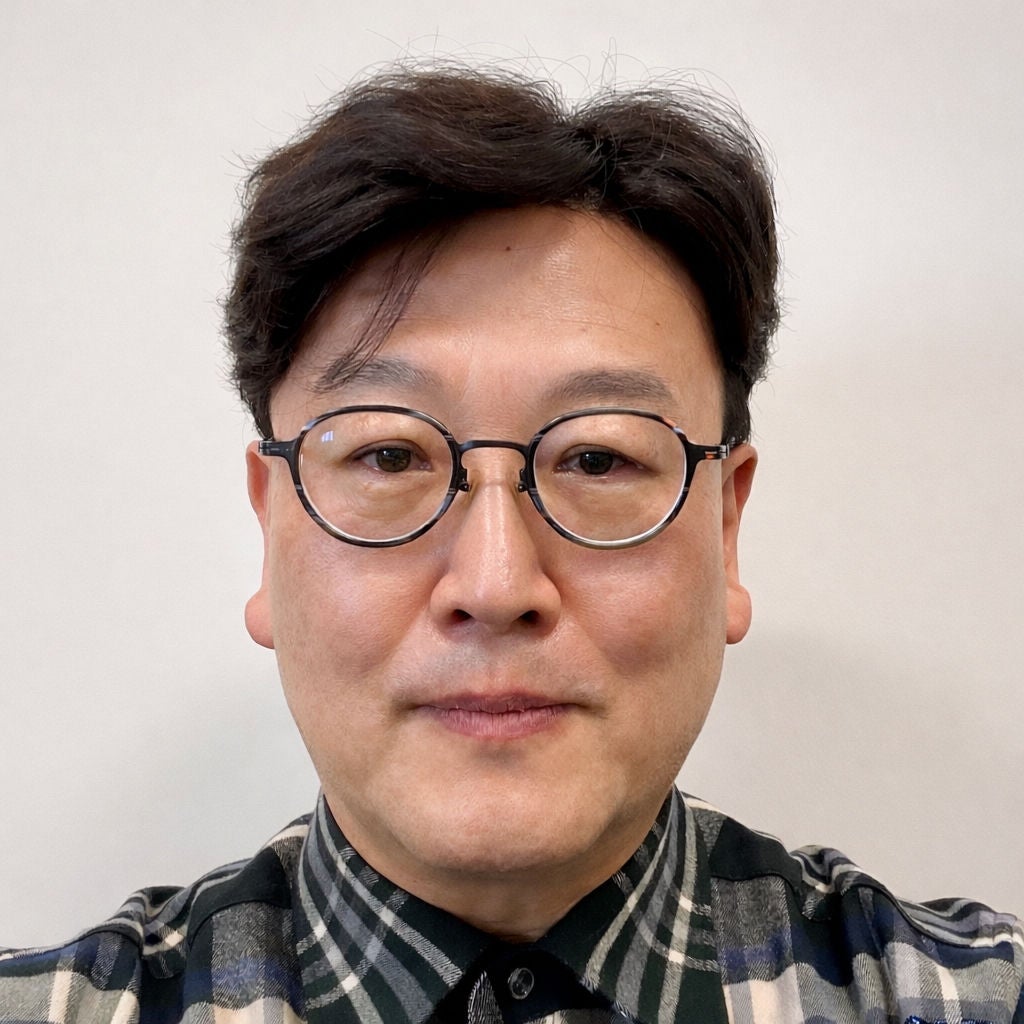
Joseph Park, PhD
Assistant Professor
Dr. Park is an Assistant Professor of Neurology and a faculty member of the McCance Center for Brain Health at the Massachusetts General Hospital and Harvard Medical School, specializing in neuroimmunology of Alzheimer’s disease (AD). His work focuses on microglia and the neuroimmune axis, using advanced human model systems, microfluidics, and multiomic approaches to dissect how immune pathways drive or protect against AD.
Sang Su Kwak, PhD
Instructor
Dr. Sang Su Kwak is an Instructor of Neurology at Massachusetts General Hospital and Harvard Medical School. He received his Ph.D. in Biological Sciences from Korea Advanced Institute of Science and Technology (KAIST) in 2011. Since joining Dr. Doo Yeon Kim’s laboratory in 2015, Dr. Kwak has investigated molecular mechanisms of how accumulation of Aβ42 induces robust tau pathology, one of the pathological features of Alzheimer’s disease (AD). For his research, Dr. Kwak exploits not only conventional 3D AD cellular models but also newly established systems such as the 3D non-cell autonomous (3D-NCA) cell culture system that potentially mimics the sporadic condition of AD pathology and the DOX-inducible 3D AD cell culture system that enables to investigate time-dependent pathogenic progression of AD pathology at molecular/transcriptional levels. Dr. Kwak also investigates direct- or indirect-crosstalk mechanisms between neurons and glial cells (astrocytes and microglia) in 3D AD cellular models. Dr. Kwak has recently developed a novel AD drug discovery platform to identify valid drug candidates unbiasedly by analyzing pathway profiles of dysregulated signaling cascades in AD. Dr. Kwak continues investigating how these cellular cascades relay signals from pathogenic Aβ42 accumulation to neurotoxic impacts such as neural cell damage and robust tau pathology.
Luisa Quinti, PhD
Instructor
Dr. Quinti received her undergraduate degree in Italy and then pursued a Ph.D. in Chemistry in the UK. She moved to Massachusetts General Hospital as a post-doctoral fellow and is currently an Instructor in Dr. Tanzi’s Genetics and Aging Research Unit. She has been involved in the development of therapeutics for neurodegenerative diseases since 2005. Dr. Quinti is passionate about generating reliable models of Alzheimer’s disease that can fast-track the search for a cure and identify novel drug candidates and targets. To that effect, together with Dr. Doo Yeon Kim, she is translating 3D AD models into robust drug-screening platforms, to find potential AD drugs that can be readily evaluated for human trials. Dr. Quinti also closely collaborates with Dr. Ana Griciuc to investigate natural products and other compounds that reduce neuroinflammation.
Matthias Hebisch, PhD
Research Fellow
Matthias received his PhD in Experimental Medicine from the University of Bonn in 2020 while contributing to the development of the first 3D in vitro model of Alzheimer’s disease to recapitulate phospho-tau pathology in response to β-amyloid (Aβ) accumulation. To this day, the central mechanism behind Alzheimer’s disease, Aβ-driven neurodegeneration, is too poorly understood to be targeted for therapeutic intervention. Addressing this issue, Matthias studies two main types of Aβ found in Alzheimer’s disease that show paradoxical effects (Aβ42 and Aβ40). He employs induced pluripotent stem (iPS) cell technology and precision genome engineering to trigger isoform-enriched, genetically standardized, and chemically controllable Aβ generation in brain organoids, the most complex human brain-like constructs currently available. Using this unique disease model together with analysis methods ranging from single-cell RNA sequencing (scRNAseq) to microelectrode arrays (MEA), Matthias aims to untangle why and how specific Aβ species drive AD’s pathogenic cascade.
Byunghoon Kang, PhD
Research Fellow
Byunghoon Kang is a Postdoctoral Research Fellow at the Massachusetts General Institute for Neurodegenerative Disease (MIND), Massachusetts General Hospital/Harvard Medical School. He received his Ph.D. from Yonsei University in 2017. His research focuses on understanding Alzheimer's disease resilience in centenarians and investigating the role of genetic variants in microglial function, with the goal of uncovering novel mechanisms underlying neuroprotection and neurodegeneration.
Minhae Cha, PhD
Research Fellow
Dr. Cha received her undergraduate degree in Chemistry and earned her Ph.D. in Pharmacy in South Korea. Her research focuses on Alzheimer’s disease (AD) drug discovery using human-relevant experimental platforms. She has expertise in the full process of preclinical drug discovery, including chemical library screening, peptide and small-molecule design, and in vitro and in vivo efficacy evaluation. Her work aims to bridge basic chemical research with translational therapeutic development. Her long-term research goal is to develop affordable and accessible therapeutic strategies for AD, particularly for elderly patients who are most affected by this condition.
Yeonsu Ryoo
Graduate Student
Yeonsu is a Ph.D. student in the Department of Chemistry at Hanyang University. In August 2023, she joined the Doo’s lab as part of a collaborative research project. Her research investigates how environmental pollutants, specifically microplastics, impact brain health and contribute to the pathogenesis of Alzheimer’s disease (AD). Utilizing 3D AD models and 3D AD triculture models, she studies how these microplastics interact with brain cells to trigger astrocyte activation and accelerate AD pathologies.
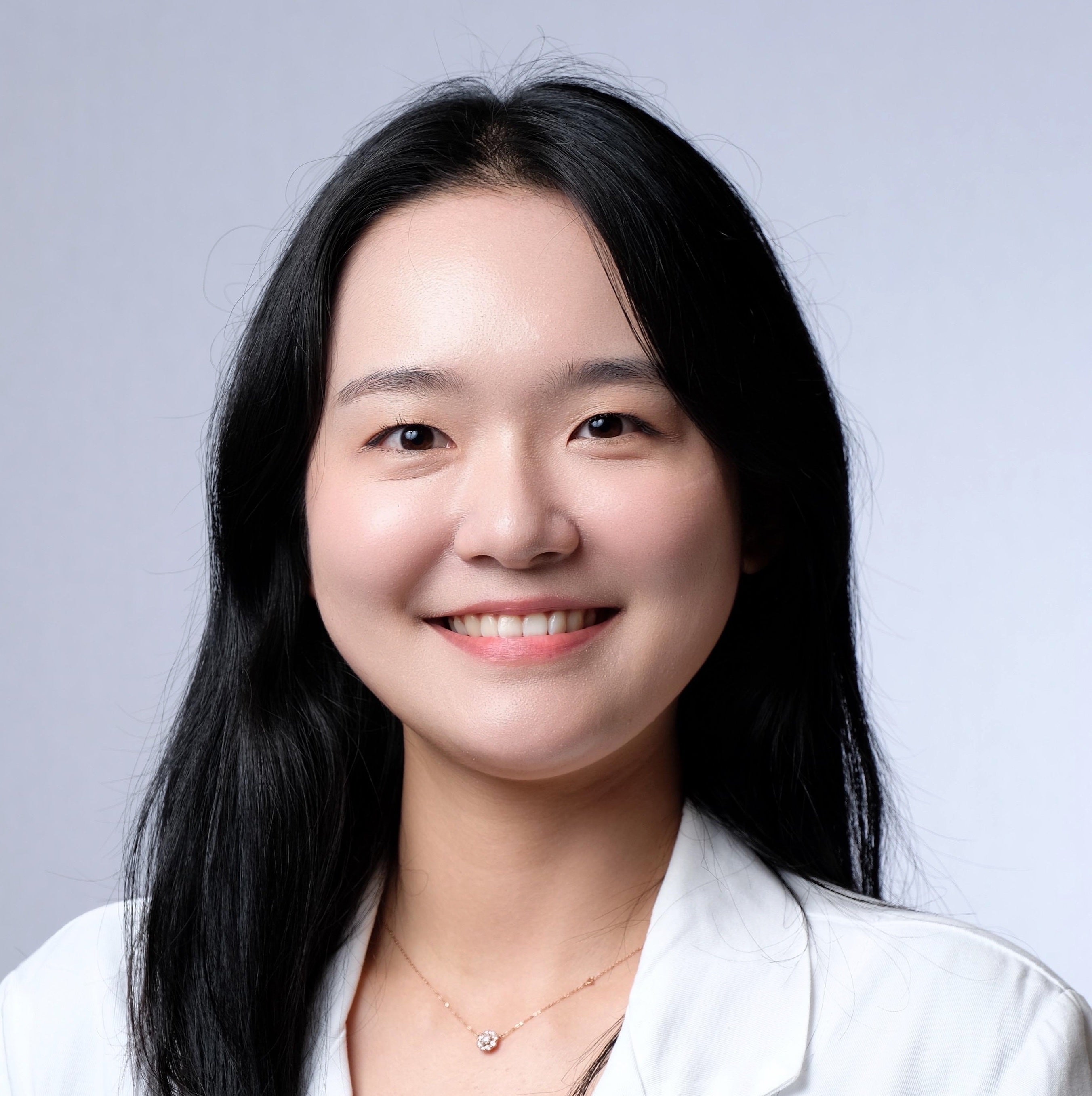
Yerin Choi
Graduate Student
Yerin is a Ph.D. student in the Department of Chemistry at Hanyang University. In April 2026, she joined the Doo’s lab as part of a collaborative research project. Her research focuses on microglia–synapse interactions and synaptic pruning mechanisms in Alzheimer’s disease (AD) using brain organoid and microfluidic-based models. Utilizing AD brain organoids and neuron–microglia co-culture systems, she investigates how microglia-mediated synaptic engulfment and mitochondrial dysfunction contribute to synapse loss and AD-related neurodegeneration.
Thejesh Kalatturu
Research Technician
Thejesh Kalatturu is a Research Technician in our lab. He earned his bachelor's degree in Neuroscience from Michigan State University and he's currently working towards a master's degree in Data Science and Analytics from Georgia Institute of Technology. His research focuses on understanding the molecular mechanisms underlying Alzheimer's Disease (AD). Using 3D human neural cell culture models of AD and bioinformatics, he's dedicated to uncovering the pathological pathways involved in the progression of AD.
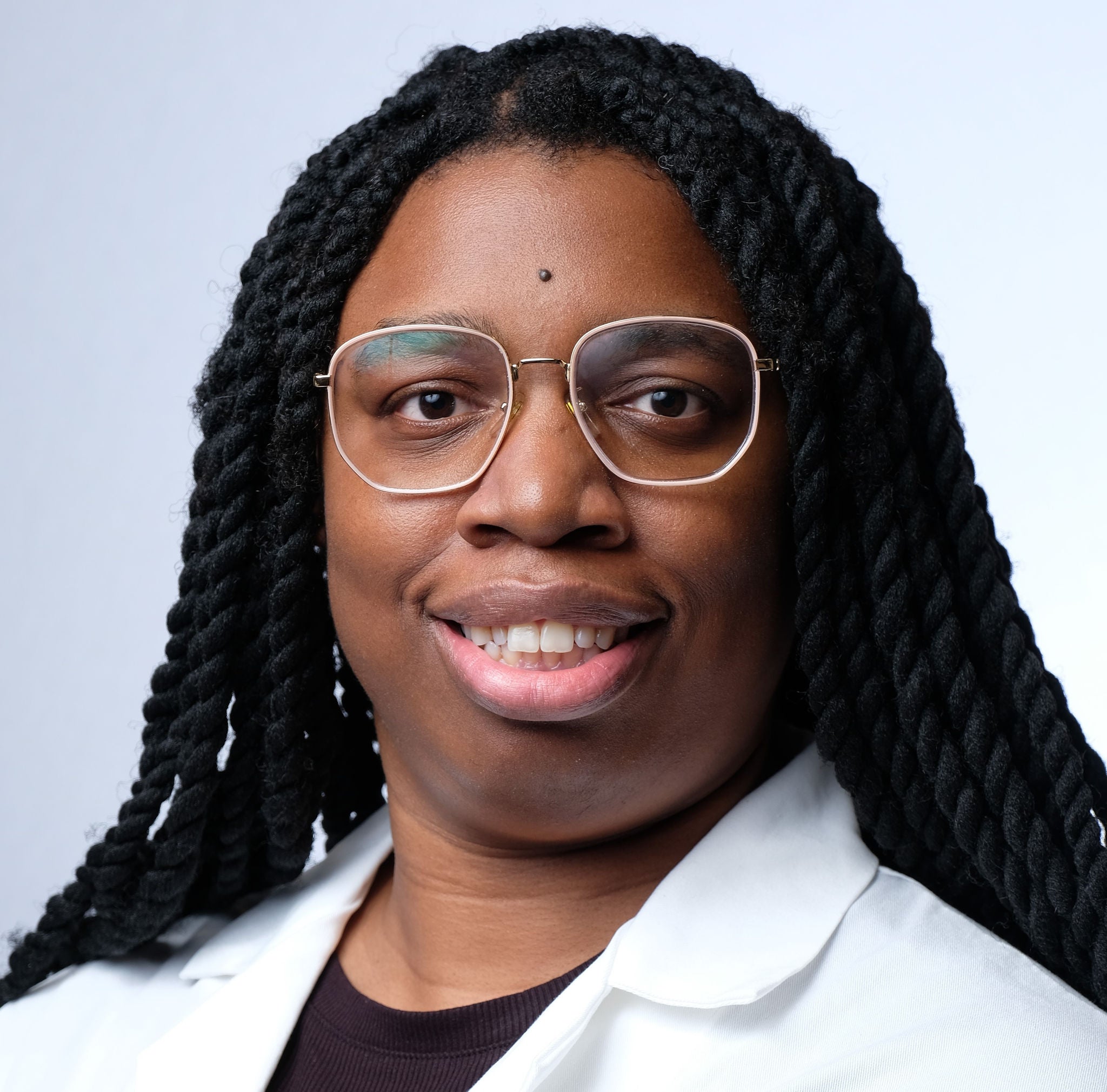
Ajulueke Odunukwe
Research Technician
Ajulueke Odunukwe is a Research Technician in the Kim Lab, where she supports research focused on understanding the pathological mechanisms involved in Alzheimer’s Disease and amyloid-β–driven neurodegeneration through the use of induced pluripotent stem cells, inducible cortical organoids, and analysis methods including immunohistochemistry and multielectrode arrays. Ajulueke is currently pursuing an MS in Business Analytics with a concentration in Data Science at Merrimack College. She previously earned her bachelor’s degree in Operations and Information Management from the University of Massachusetts Amherst. Prior to joining the lab, Ajulueke worked in tech consulting with experience in data analysis, project management, and cross-functional collaboration. Her interests include neuroscience, health data science, and public health.