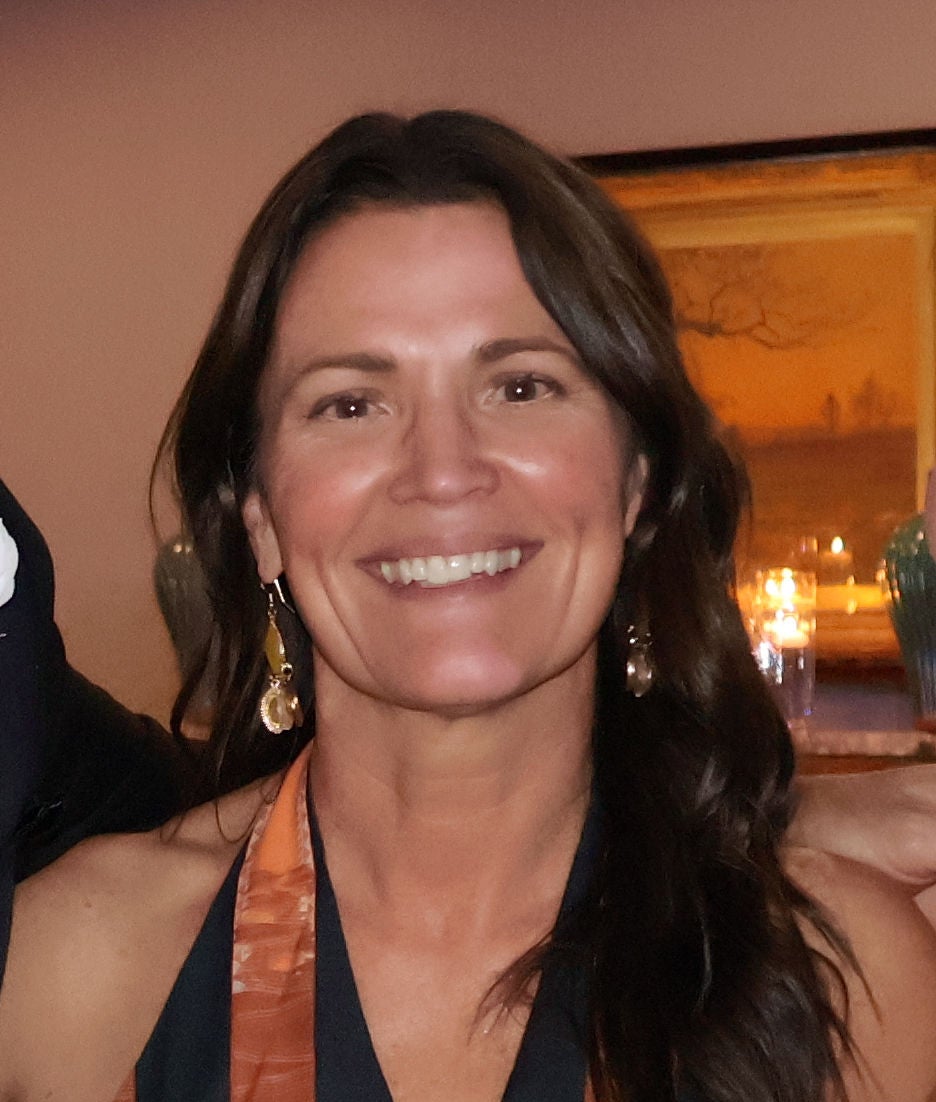
Laboratory of Dmitry Prokopenko, PhD
Email: dprokopenko@mgh.harvard.edu
Overview
In our lab, we develop and apply statistical and computational tools to improve our understanding of Alzheimer’s disease (AD) and resilience/resistance against it. Building on the strong genetic predisposition of AD and the genetic risk and protective loci discovered in our analyses, our recent focus is the integration of multi-omics data to pinpoint biological pathways and mechanisms. Specifically, we are working in these three research areas:
- Characterizing the genetics of AD using whole genome and whole exome sequencing datasets across populations.
- Combining multiple layers of biological information (genetics, metabolomics, etc.) to inform early detection of AD.
- Characterizing the interplay between genetic predisposition and environmental exposures in the development of AD.
Research Team
Dmitry Prokopenko, PhD
Assistant Professor of Neurology, Massachusetts General Hospital, Harvard Medical School
Dmitry Prokopenko, PhD is an Assistant Professor at the Genetics and Aging Research Unit, McCance Center for Brain Health, Massachusetts General Hospital and Harvard Medical School. He is a statistical geneticist with an interdisciplinary background in mathematics, biostatistics, bioinformatics, -omics and genetics. He earned his Ph.D. from University of Bonn in 2016 and completed postdoctoral training at Brigham and Women’s Hospital and Harvard Medical School. During and after his PhD, he made several major contributions in both: large-scale whole genome sequencing (WGS) analyses and method development for such analyses. Those contributions included methods to account for population structure using rare variants in WGS and several large-scale WGS studies of different phenotypes including one of the first large-scale WGS-based studies to identify novel genes associated with Alzheimer’s Disease (AD) and driven by rare variants. His current research interests focus on the genetics of Alzheimer’s disease and resilience/resistance against it and statistical or computational problems in large-scale whole genome sequencing and other -omics data. This includes rare variant studies, multi-omics studies, gene-by-environment, and gene-by-gene interaction studies. His work is supported by NIH and private foundations.
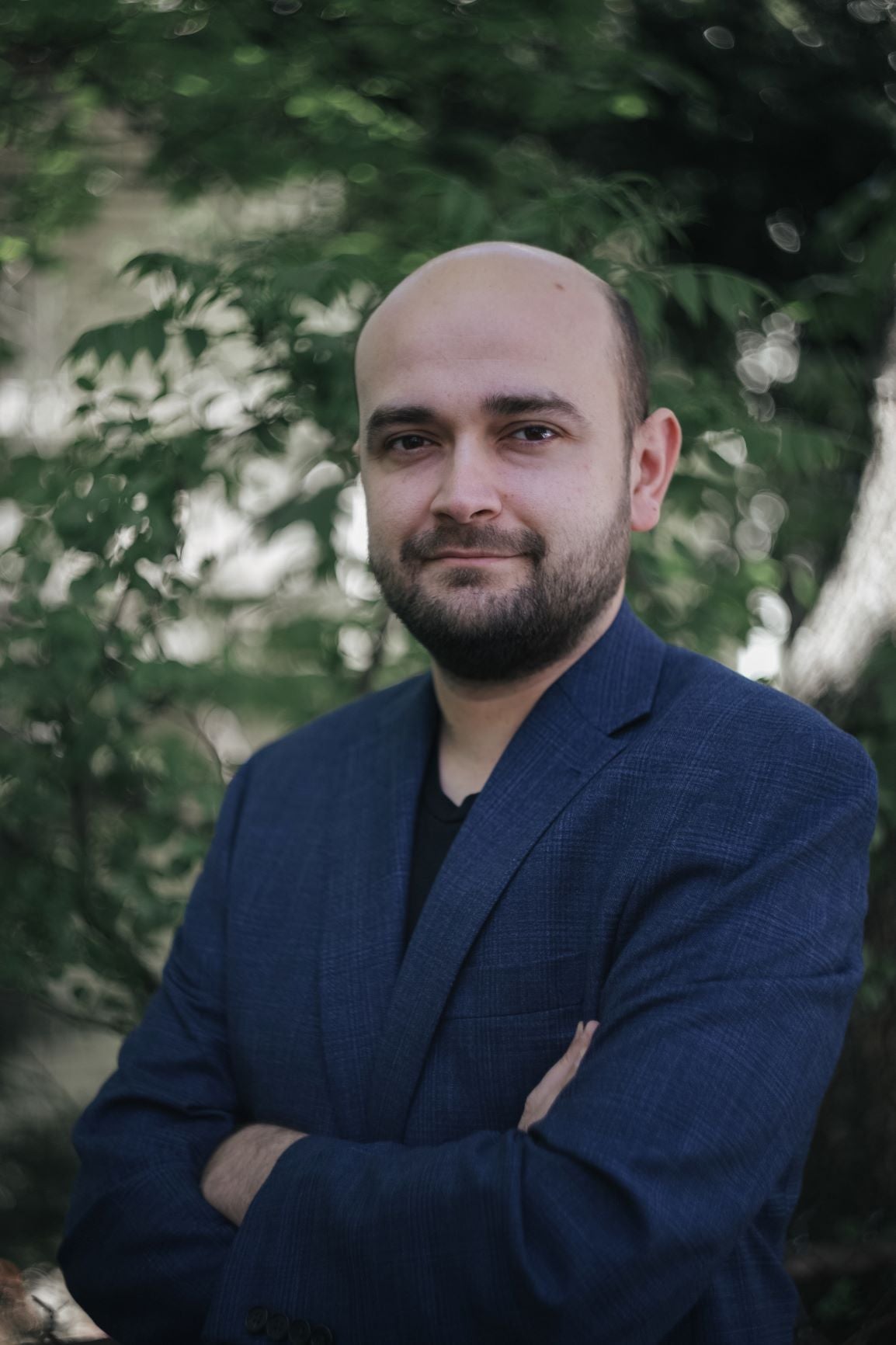
Muhammad Muaaz Aslam, PhDPostdoctoral research fellow
Muaaz is a molecular neuroscience researcher focused on the genetic and multi-omic mechanisms underlying Alzheimer’s disease (AD) and related neurodegenerative disorders. His work integrates genomics, transcriptomics, non-coding RNA biology, and proteomics to identify regulatory elements, functional pathways, and biomarkers associated with disease risk and progression. He has led and contributed to projects involving differential expression and co-expression analyses of lncRNAs and miRNAs in AD brain tissue, multi-cohort RNA-seq meta-analyses, WGS-based GWAS and SMR pipelines, and transcriptome-wide association studies with post-GWAS functional prioritization. His expertise includes R, Bash scripting, and high-performance computing workflows for large-scale genomic data analysis. His research goal is to advance mechanistic insight and precision biomarker development through an integrative multi-omic approach.

Lucas Fishbein
Data Scientist
Lucas Fishbein is a data scientist and neuroscientist specializing in the genetic and multi-omics underpinnings of Alzheimer’s disease (AD) and healthy longevity. His research focuses on discovering rare genetic variants and leveraging advanced statistical genetics methods to reveal novel disease associations. Lucas develops sophisticated multi-modal machine learning models for AD risk prediction and designs scalable genomic analysis pipelines on high-performance computing infrastructure. His long-term research aims to identify pre-symptomatic biomarkers for neurodegenerative diseases, enabling early interventions to prevent clinical progression. Outside of research, Lucas enjoys rock climbing and pursues various creative outlets such as painting and drawing.
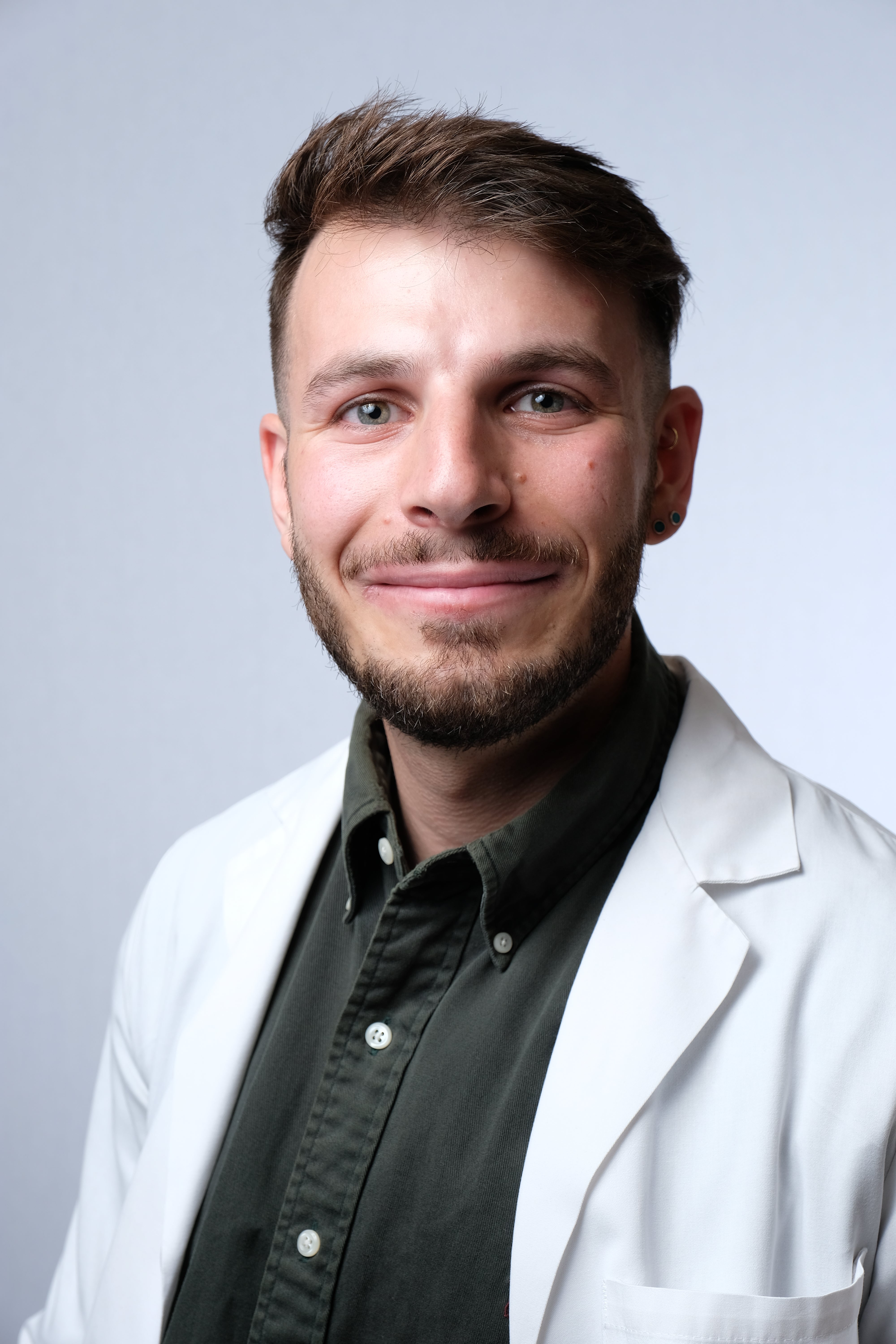
Mohammad Waqas
Senior Research Technician
Mohammad is a research assistant and MD candidate focused on the genetics of Alzheimer's disease (AD). His work applies large-scale computational methods to multi-cohort biobank datasets to identify novel genetic loci and elucidate biological mechanisms underlying AD risk. His projects include multi-ancestry meta-GWAS across whole genome sequencing datasets, metabolomic analyses of familial AD, machine learning-based polyomic risk modeling, and investigation of mosaic chromosomal alterations in cardiac disease. He also pursues methodological work in novel approaches to genetic ancestry modeling and complex variable specification in large-scale regression frameworks. His goal is to advance the genomic dissection of AD risk through innovative computational approaches and robust multi-cohort meta-analytic frameworks. Complementary to this work, he enjoys cooking, gelato-making, and enthusiastically reading G. W. F. Hegel.

Kristina Mullin
Senior Research Technologist
As Project Manager, Kristina oversees the operational and administrative coordination of our Alzheimer’s disease research initiatives. She manages the logistical workflows that support large-scale genomic studies and the integration of multi-omic datasets across our collaborative teams. Her role is centered on maintaining the organizational structure and resource management necessary to ensure the efficient progression of the lab’s research goals and discovery pipelines.