Tanzi Lab
Email: rtanzi@mgh.harvard.edu
Call: 617-724-5411
Overview
Dr. Tanzi has been investigating the molecular and genetic basis of neurological disease since 1980 when he participated in the study that was the first to use human genetic markers (now called single nucleotide polymorphisms, SNP’s) to localize a disease gene - Huntington's disease (HD) gene. This was the first time a disease gene with entirely unknown etiology was localized based solely on genetic linkage analysis. Since 1982, he has been investigating the genetic and molecular basis of Alzheimer's disease (AD). Between 1987 and 1995, Dr. Tanzi discovered (along with others) the first three AD genes: the three that cause early-onset familial AD - amyloid β-protein (A4) precursor (APP), and the presenilin 1 and 2 genes (PSEN1 and PSEN2). In 1993, he discovered the gene responsible for Wilson's disease. Over the past three decades, he has also collaborated on studies identifying several other disease genes, including the familial amyotrophic lateral sclerosis (ALS) gene (SOD1) and genes predisposing to autism. Since 2004, Dr. Tanzi has served as founder and director of the Alzheimer’s Genome Project™ supported by the Cure Alzheimer’s Fund. As part of this project, in 2008, he carried out the first family-based AD genome-wide association study (GWAS) and identified a set of novel AD genes, including ADAM10, for which he validated the pathogenicity of two rare missense mutations in late-onset AD families, ATXN1, and CD33, the first microglial innate immune gene associated with AD, now one among dozens of others. Dr. Tanzi’s laboratory also first showed that CD33 regulates microglial activation and determined the mechanism of action of CD33 and TREM2 in neuroinflammation. Most recently, Dr. Tanzi’s laboratory has been generating and analyzing large datasets of whole exome and whole genome sequencing data from hundreds of AD families and hundreds of thousands of AD patients to identify novel functional gene variants and mutations influencing risk for AD.
Regarding drug discovery to treat and prevent AD, since 2000 Dr. Tanzi has been developing gamma-secretase modulators (GSM) aimed at safely curbing beta-amyloid production as a treatment and primary/secondary prevention for AD. His clinical candidate, GSM, is slated for phase 1 trials in 2024. Dr. Tanzi’s laboratory has also created the first three-dimensional (3D) human brain cell culture and brain organoid model of AD. These models were the first to recapitulate both amyloid plaque and tangle pathology using human stem cell-derived neurons grown in a 3D cell culture system (dubbed “Alzheimer’s-in-a-Dish™”). The Tanzi Lab has used this system to help validate the amyloid hypothesis of AD by showing for the first time that beta-amyloid directly induces tangle formation from endogenous tau protein. In another 3D multicellular microfluidics model of AD, Dr. Tanzi’s laboratory elucidated the role of peripheral T cells and other immune cells in driving AD pathology. Dr. Tanzi and collaborators have also used 3D models of AD to identify and validate over 200 approved drugs and known natural products that can be repurposed for treating and preventing AD. Using this same strategy, Dr. Tanzi recently helped the company Amylyx to develop and launch the newest ALS drug, Relyvrio™, consisting of two repurposed drugs. Dr. Tanzi and his laboratory also first discovered a novel role for the amyloid beta protein as an antimicrobial peptide that protects the brain against infection, and based on this, they proposed the antimicrobial protection hypothesis of AD. In this hypothesis, amyloid plaques are nucleated (seeded) by microbes, e.g., herpes and CMV virus, and serve to trap pathogenic microbes apart of the brain’s innate immune system. The Tanzi’s Lab is now searching for the exact microbes (bacterial, viral, fungal) that populate the AD brain and trigger amyloidosis.
Alzheimer's Disease: Hope on the horizon and what you can do now to lower your risk
Cure Alzheimer’s Fund Webinar Nov. 21, 2025
Research Team
Rudy Tanzi, PhD
Joseph P. and Rose F. Kennedy Professor of Neurology at Harvard Medical School
Dr. Tanzi’s team was the first to use human stem cells to create three-dimensional mini human brain organoids and 3D neural-glial culture models of AD”. These models were the first to recapitulate all three key AD pathological hallmarks and have made drug screening exponentially faster and cheaper. He and his team have successfully used these organoids to screen for approved drugs and natural products that can be repurposed to treat AD brain pathology. Combinations of these drugs are now being tested in AD clinical trials. Dr. Tanzi has helped to develop several novel therapies for AD, including gamma-secretase modulators targeting amyloid pathology, for which a phase 1 clinical trial is being prepared. Dr. Tanzi has helped establish numerous biotech companies, including Amylyx, which developed the newly approved ALS drug, Relyvrio™. Dr. Tanzi also recently discovered that beta-amyloid plays a functional role in the brain as a host-defense peptide, leading to the “antimicrobial protection hypothesis” of AD.
Dr. Tanzi serves as Chair of the Cure Alzheimer’s Fund Research Leadership Group and on numerous scientific advisory and editorial boards, He has published nearly 700 research papers (>155,000 citations) and is one of the top 50 most cited neuroscientists in the world. He is a member of the National Academy of Medicine and has received the highest awards in his field, including the Metropolitan Life Foundation Award, Potamkin Prize, Ronald Reagan Award, Oneness in Humanity Award, Silver Innovator Award, the Smithsonian American Ingenuity Award, the Brain Research Foundation Award, and the Kary Mullis Award for Medical Research. He was named to TIME magazine’s list of TIME100 Most Influential People in the World. Dr. Tanzi is also a New York Times bestselling author who has co-authored the books Decoding Darkness and bestsellers Super Brain, Super Genes, and The Healing Self, for which he has hosted several television shows on PBS.
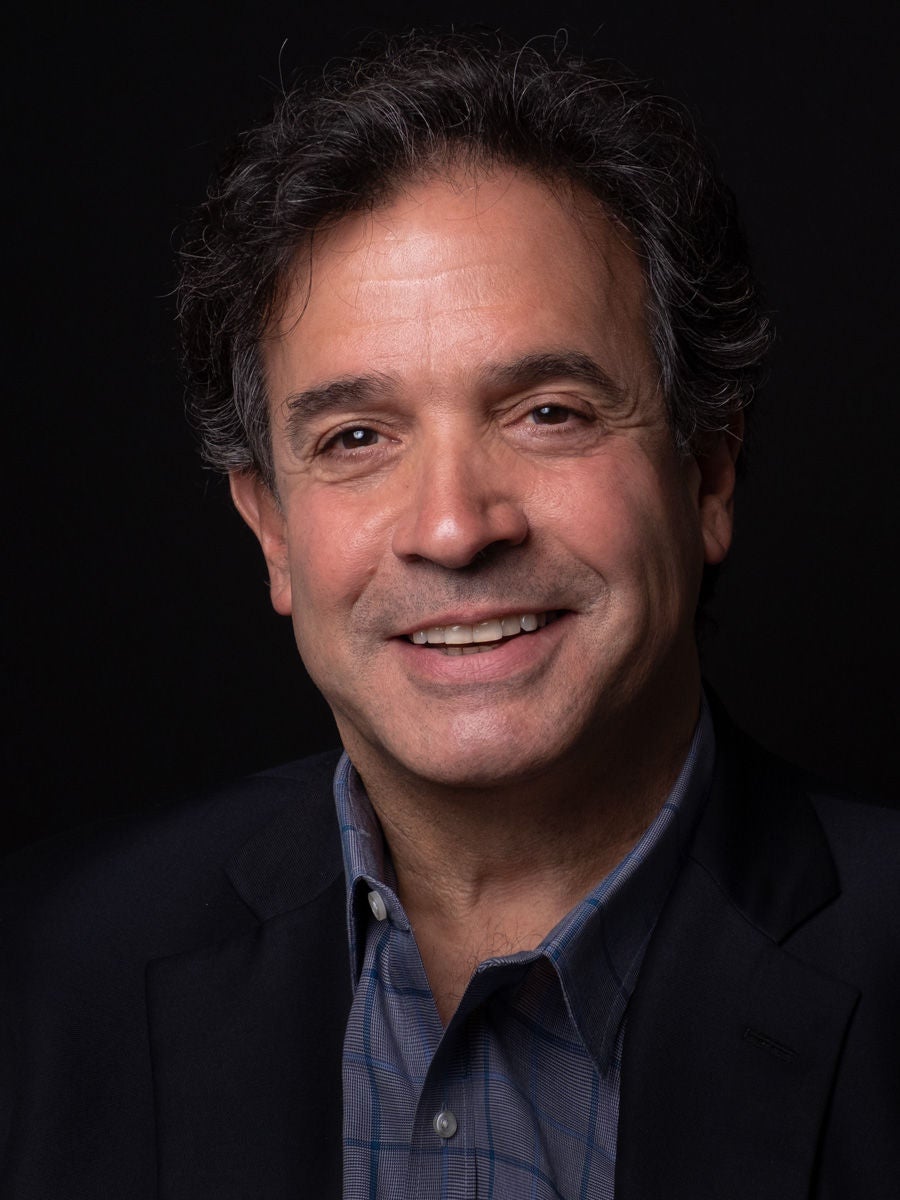
William Eimer, PhD
Instructor
In Alzheimer’s disease, amyloid beta (Aβ) and tau have long been perceived as destructive elements essential to neurodegeneration in AD, but little thought has been given to their natural functions. Our team discovered that both play roles in the innate immune system, acting as antimicrobial peptides (AMPs). AMPs exist throughout the body performing many functions including microbe capture and destruction, opsonization, chemotaxis, and immune response modulation. Existing as an important link between the Amyloid Cascade hypothesis and the Pathogen hypothesis of AD, our Antimicrobial Protection hypothesis views Aβ and tau as the first line of defense in the brain, stimulated by actual or perceived microbial insults. Disruptions from persistent activation, failed clearance, or irregular modulation result in AD pathology. Our team continues to elucidate essential pathways and antimicrobial functions of Aβ and tau to better understand AD etiology and uncover novel immune pathways that may be used for more effective treatments.
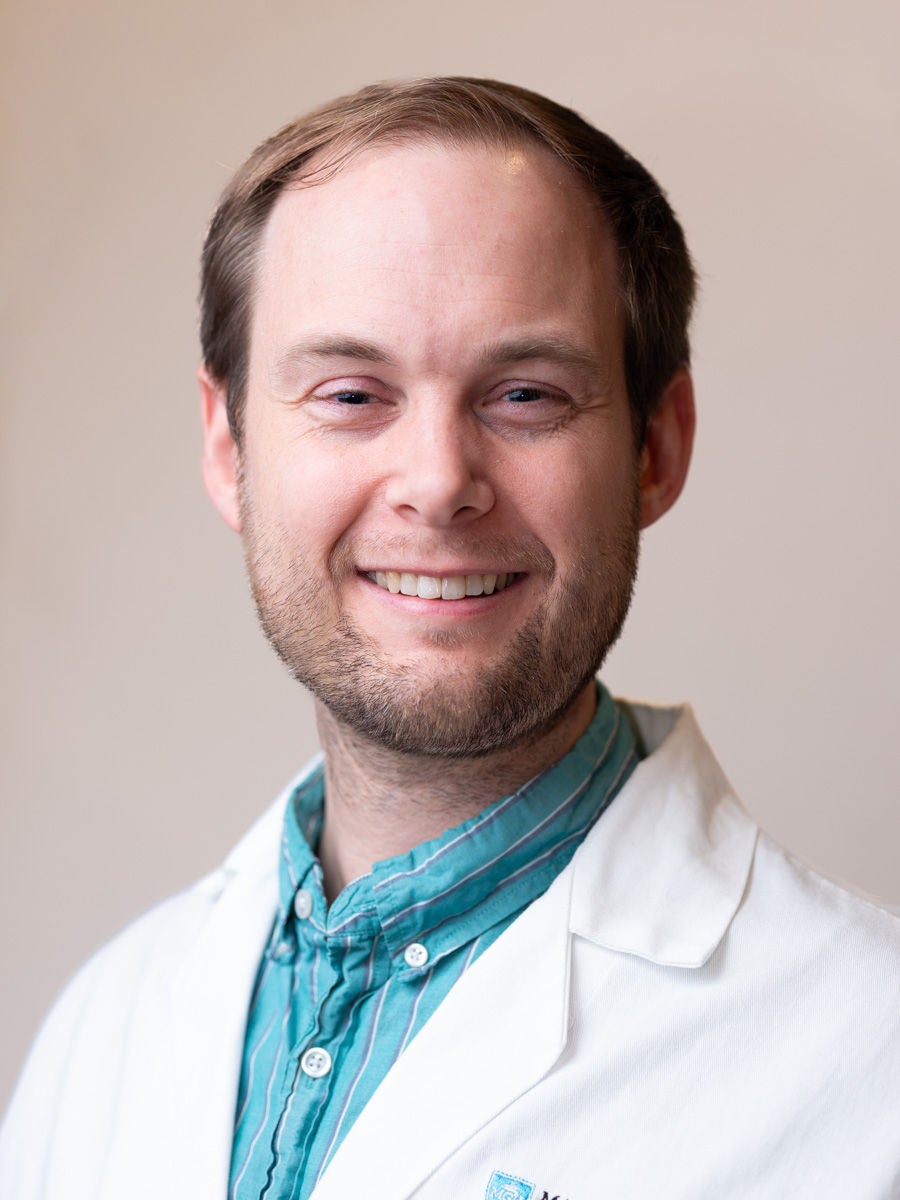
Deepak Kumar Vijaya Kumar, PhD
Instructor
Dr. Deepak Vijaya Kumar’s research is focused on characterization of Aβ protein of Alzheimer’s disease (AD) as an antimicrobial peptide (AMP). Dr. Kumar is currently an instructor at Mass General and Harvard Medical School in Dr. Rudolph Tanzi’s laboratory in the Genetics and Aging Research Unit. Dr. Kumar’s expertise comprises a combination of academic and industrial skill sets including microbiology, neuroscience, infection, and immunity that he has aptly applied to his current research. His other projects include characterization of the human amylin peptide (another amyloid peptide), investigation of the in vitro and in vivo endotoxin-neutralization properties of Aβ, and screening of peptide-antibiotic conjugate molecules for their blood-brain barrier crossing ability. Dr. Kumar’s paper published in Science Translational Medicine in 2016 was considered by many experts in the field a breakthrough and has impressed upon the field of AD the role of infection in early AD pathology. He has been working on the gut-brain link in AD progression in relation to the gut microbiome and their secondary metabolites and how they might impact the early AD pathology.
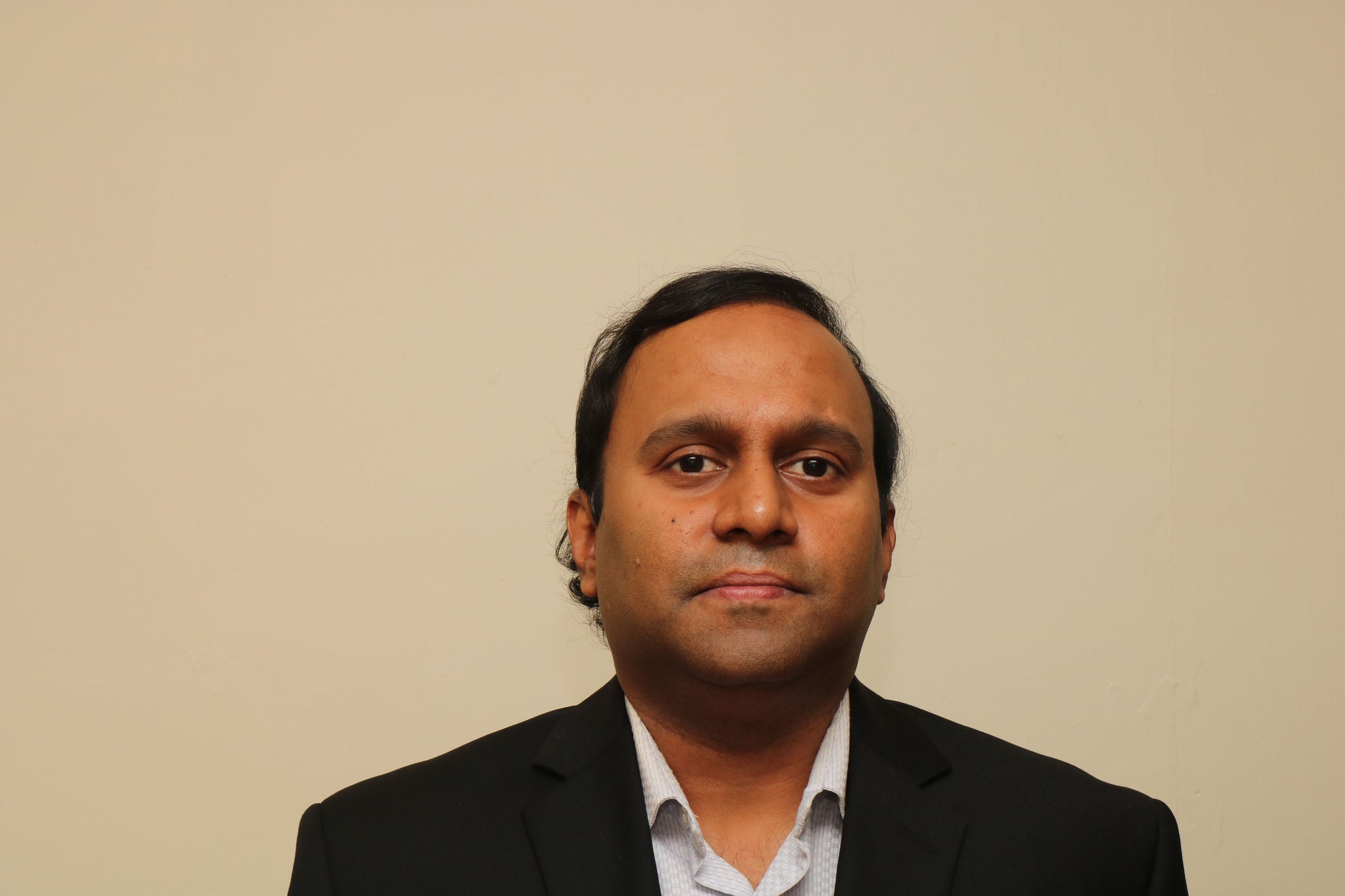
Chih-Chung "Jerry" Lin, PhD
Instructor
As an instructor at Massachusetts General Hospital and Harvard Medical School, Dr. Chih-Chung 'Jerry' Lin's research is focused on the roles of immune cells in the animal models of Alzheimer's disease (AD). Dr. Lin was trained as an immunologist, and his current research is dedicated to investigating the influence of peripheral immune cells (both innate and adaptive immune systems) on the pathogenesis of AD. He discovered that the depletion of mast cells, a type of innate immune cell, yields remarkable outcomes. AD mice without mast cells showed restored cognitive function, increased disease-associated microglia gene expression, and reduced markers indicative of reactive astrocytes. This endeavor seeks to uncover the immunological mechanisms that underlie the progression of Alzheimer's, with the ultimate goal of contributing to the development of innovative therapeutic approaches that could mitigate the disease.

Nanda Kumar Navalpur Shanmugam, PhD
Instructor
Dr. Shanmugam’s research focuses on understanding the molecular mechanisms of the gut microbiota-host relationship, particularly in brain health. He investigates how gut microbiota influences immune balance, gut health, and bidirectional communication with the brain, with implications for aging and Alzheimer’s disease (AD). While studying the gut-brain axis in AD, Dr. Shanmugam explores the benefits of prebiotics and probiotics on gut microbiota and brain function. Additionally, he is deeply involved in investigating the complex interplay of the gut-brain axis in AD. This involves examining the correlation between dietary changes, gut inflammation, and microbiome alterations in AD progression. He also examines whether chronic gut inflammation exacerbates brain amyloid deposition in AD mouse models. Furthermore, Dr. Shanmugam identifies potential triggers of beta-amyloid pathology and neuroinflammation using advanced sequencing techniques on brain, blood, and saliva samples. Through high-throughput screening, his work aims to uncover microbial signatures contributing to AD pathogenesis, addressing key questions in the field.

Luisa Quinti, PhD
Instructor
Dr. Quinti received her undergraduate degree in Italy and then pursued a Ph.D. in Chemistry in the UK. She moved to Massachusetts General Hospital as a post-doctoral fellow and is currently an Instructor in Dr. Tanzi’s Genetics and Aging Research unit. She has been involved in the development of therapeutics for neurodegenerative diseases since 2005. Dr. Quinti is passionate about generating reliable models of Alzheimer’s disease that can fast-track the search for a cure and identify novel drug candidates and targets. To that effect, together with Dr. Doo Yeon Kim, she is translating 3D AD models into robust drug-screening platforms to find potential AD drugs that can be readily evaluated for human trials. She also closely collaborates with Dr. Ana Griciuc to investigate natural products and other compounds that reduce neuroinflammation.
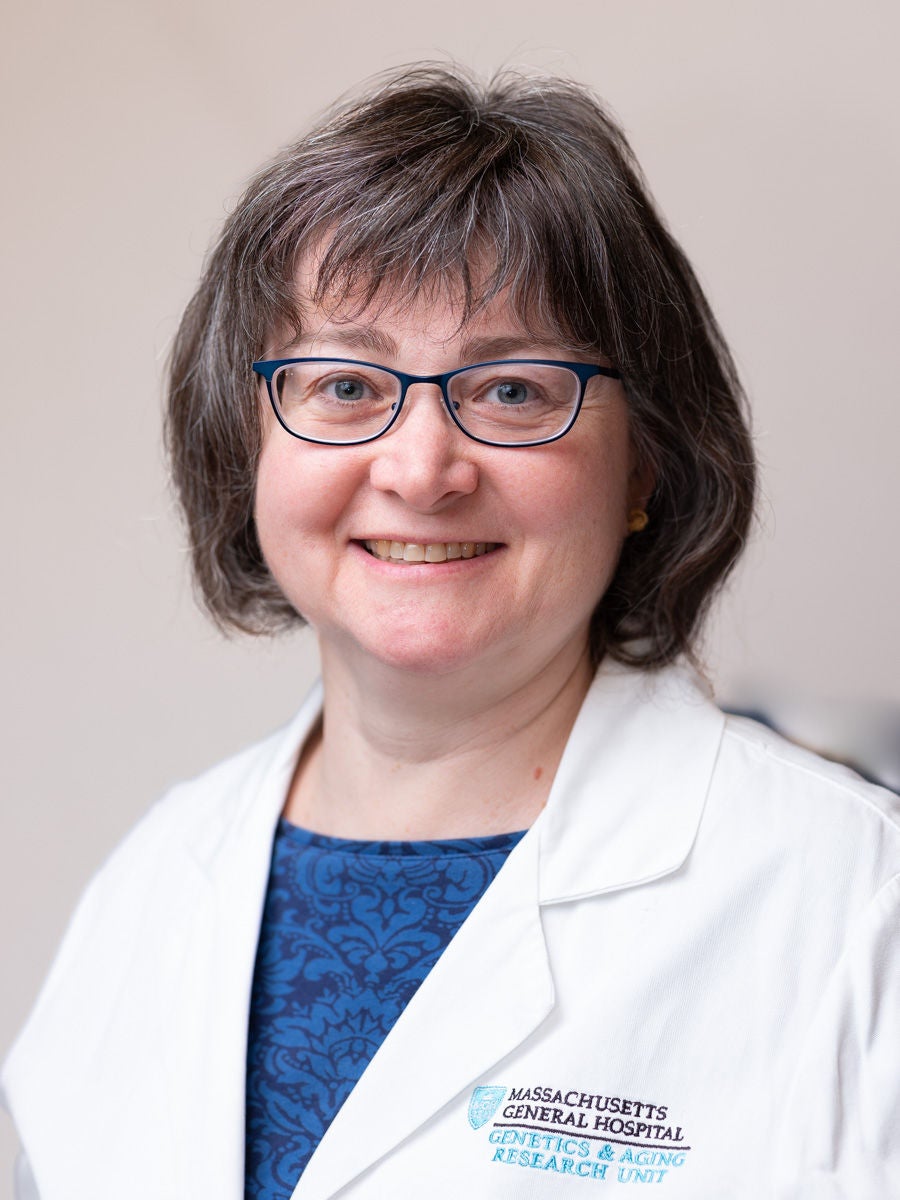
Moriah Hovde, PhD
Research Fellow
Dr. Hovde is interested in how cholesterol metabolism and protein homeostasis contribute to neurodegenerative diseases with a large focus on Alzheimer’s disease. The major focus of her research with the Tanzi lab has been understanding how the regulation of cellular cholesterol impacts amyloid pathology in Alzheimer’s disease by influencing microglia-mediated uptake of Aβ. Other areas of interest include how post-translational modifications, specifically phosphorylation and palmitoylation, impact protein regulation and lead to various pathologies.
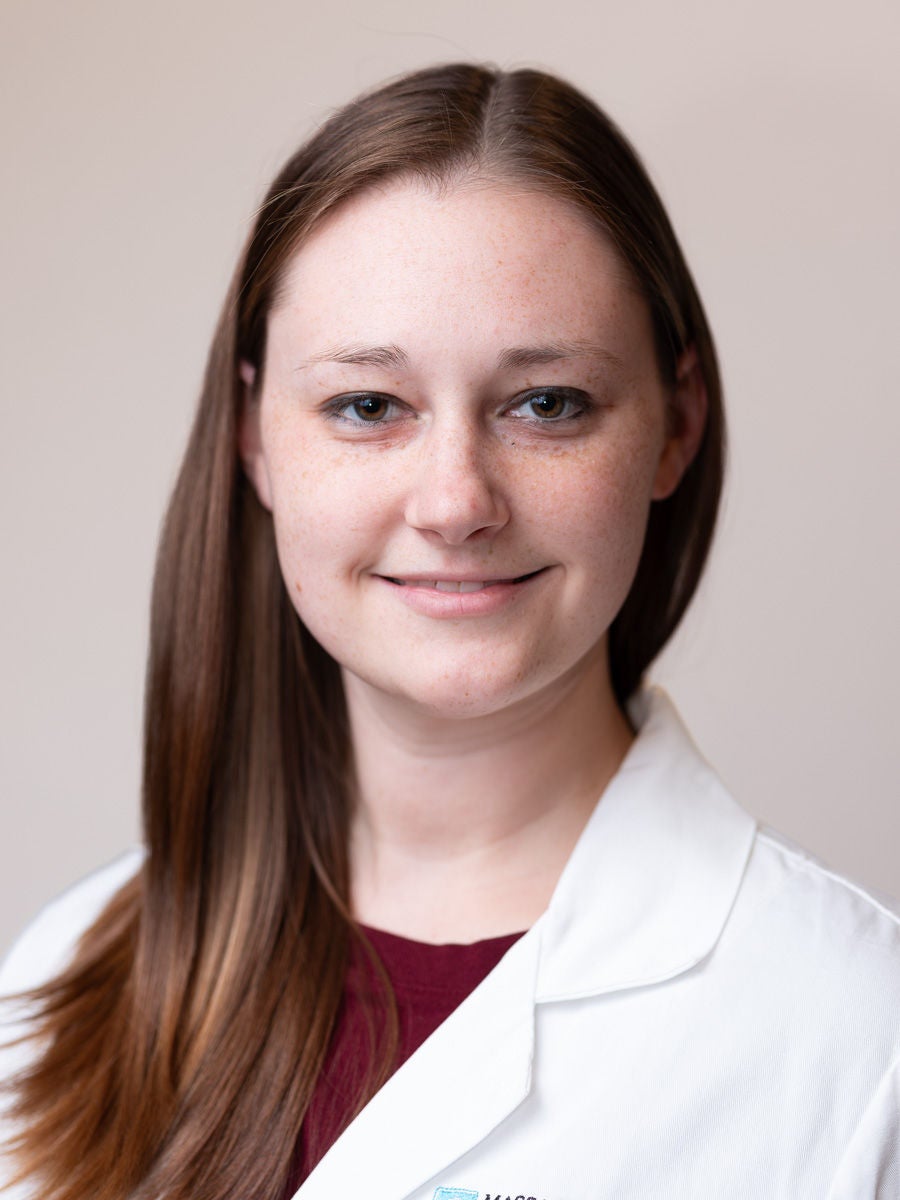
Anna Maaser-Hecker, PhD
Research Fellow
Anna joined Dr. Tanzi’s laboratory in January 2020, bringing together her computational expertise and wet-lab skills. Her primary focus is on uncovering the role of genetic variations linked to Alzheimer’s disease. Utilizing CRISPR Cas technology, Anna translates rare genetic variants, particularly those involving microglia, into iPSC-derived cell models and studies their impact on microglial function in health and disease contexts. Her doctoral research at the University of Bonn in Germany concentrated on complex psychiatric disorders, particularly the role of rare genetic variants found in families with multiple affected members in the etiology of these conditions. Outside of the lab, Anna enjoys practicing yoga, hiking, and spending quality time with her family.
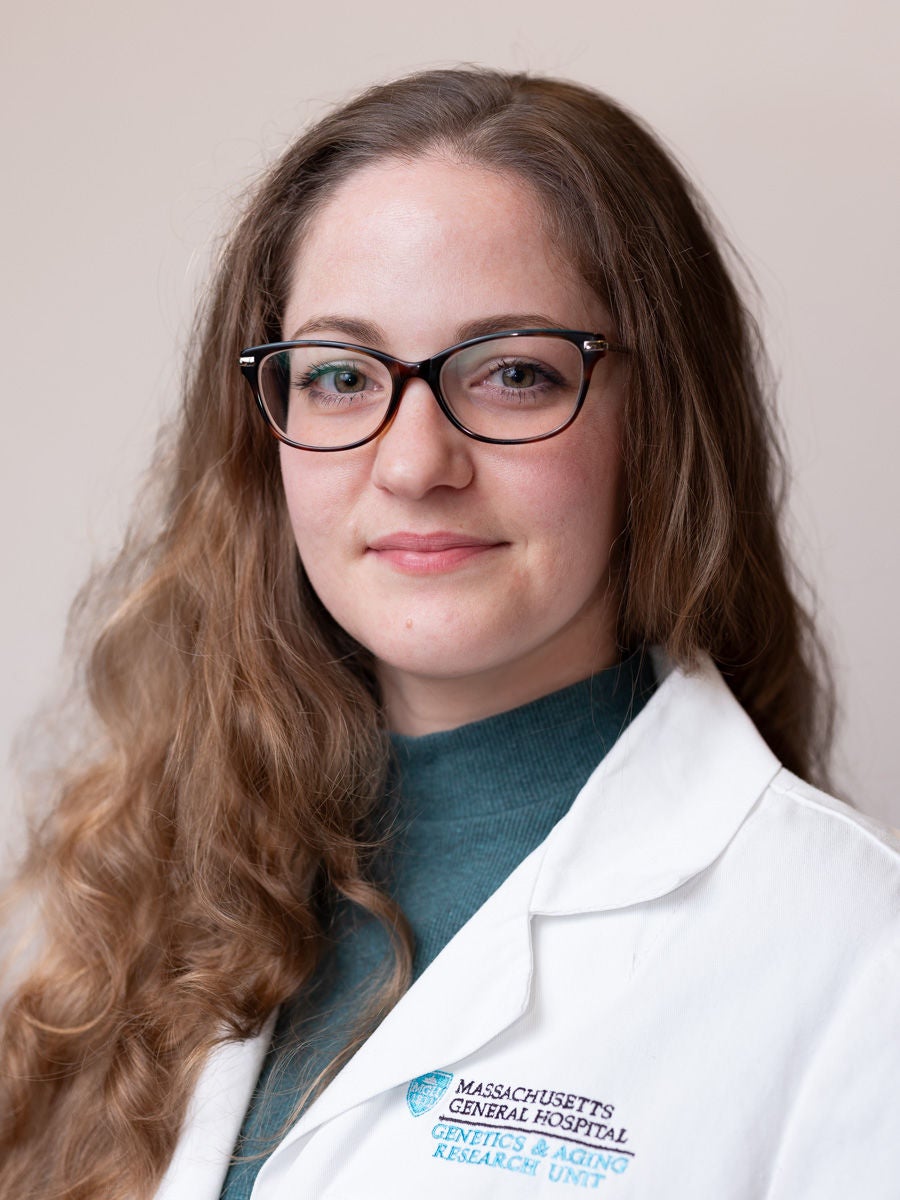
Minhae Cha, PhD
Research Fellow
Dr. Cha received her undergraduate degree in Chemistry and earned her Ph.D. in Pharmacy in South Korea. Her research focuses on Alzheimer’s disease (AD) drug discovery using human-relevant experimental platforms. She has expertise in the full process of preclinical drug discovery, including chemical library screening, peptide and small-molecule design, and in vitro and in vivo efficacy evaluation. Her work aims to bridge basic chemical research with translational therapeutic development. Her long-term research goal is to develop affordable and accessible therapeutic strategies for AD, particularly for elderly patients who are most affected by this condition.

Kristina Mullin
Senior Research Technologist
Alex Rodriguez
Research Technologist
Michael Defao
Research Technician
Evan Gavrilles
Research Technician
Alex Moir
Research Technician
Teagan Williams
Research Technician
Kianna Rivera-Barrett
Research Technician
Julia Klien
Research Technician II
David Peppercorn
Research Technician
Susanna Cortese
Admin
Donna Romano
Senior Laboratory Manager
Elene Ketema
Research Laboratory Assistant
Publications
Selected Publications
- Willett JDS, Waqas M, Naumenko S, Mullin K, Hecker J, Bertram L, Lange C, Vlachos I, Hide W, Tanzi RE, Prokopenko D. Matching heterogeneous cohorts by projected principal components reveals two novel Alzheimer's disease-associated genes in the Hispanic population. Alzheimers Dement. 2026 Feb;22(2):e71189.
- Willett JDS, Waqas M, Choi Y, Ngai T, Mullin K, Tanzi RE, Prokopenko D. Identification of 16 novel Alzheimer's disease loci using multi-ancestry meta-analyses. Alzheimers Dement. 2025 Feb;21(2):e14592.
- Eimer WA, Rodriguez AS, DeFao MT, Ehricke S, Park J, Vijaya Kumar DK, Navalpur Shanmugam NK, Singh S, Sawhney T, Moir RD, Tanzi RE. Phosphorylated tau exhibits antimicrobial activity capable of neutralizing herpes simplex virus 1 infectivity in human neurons. Nat Neuroscience. 2025 Dec 17.
- Pilat D, Le H, Prokopenko D, Lin C-C, Eimer WA, Quinti, L, Gavrilles E, Garcia SN, Heitman SN, ADNI, McGinty D, Cetinbas, M, Sadreyev, RI, Tanzi RE, Griciuc A. The Gain-of-Function TREM2-T96K Mutation Increases Risk for Alzheimer’s Disease by Impairing Microglial Function. Neuron, 2025 Oct 17:S0896-6273(25)00745-7.
- Gauron MC, Prokopenko D, Lee S, Wolfe SA, Hecker J, Willett J, Waqas M, Lordén G, Yang Y, Mayfield JE, Castanho I, Mullin K, Morgan S, Hahn G, Demeo DL, Hide W, Bertram L, Lange C, Newton AC, Tanzi RE. A PKCη missense mutation enhances Golgi-localized signaling and is associated with recessively inherited familial Alzheimer's disease. Science Signal. 2025 Jul;18(893):eadv0970.
- Jorfi M, Park J, Hall CK, Lin CJ, Chen M, von Maydell D, Kruskop JM, Kang B, Choi Y, Prokopenko D, Irimia D, Kim DY, Tanzi RE. Infiltrating CD8+ T cells exacerbate Alzheimer's disease pathology in a 3D human neuroimmune axis model. Nat Neurosci. 2023 Sep;26(9):1489-1504. doi: 10.1038/s41593-023-01415-3. Epub 2023 Aug 24. PMID: 37620442.
- Kim E, Kim H, Jedrychowski MP, Bakiasi G, Park J, Kruskop J, Choi Y, Kwak SS, Quinti L, Kim DY, Wrann CD, Spiegelman BM, Tanzi RE, Choi SH. Irisin reduces amyloid-β by inducing the release of neprilysin from astrocytes following downregulation of ERK-STAT3 signaling. Neuron. 2023 Nov 15;111(22):3619-3633.e8. doi: 10.1016/j.neuron.2023.08.012. Epub 2023 Sep 8. PMID: 37689059; PMCID: PMC10840702.
- Rynearson KD, Ponnusamy M, Prikhodko O, Xie Y, Zhang C, Nguyen P, Hug B, Sawa M, Becker A, Spencer B, Florio J, Mante M, Salehi B, Arias C, Galasko D, Head BP, Johnson G, Lin JH, Duddy SK, Rissman RA, Mobley WC, Thinakaran G, Tanzi RE, Wagner SL. Preclinical validation of a potent γ-secretase modulator for Alzheimer's disease prevention. J Exp Med. 2021 Apr 5;218(4):e20202560. doi: 10.1084/jem.20202560. PMID: 33651103; PMCID: PMC7931646.
- Suh J, Romano DM, Nitschke L, Herrick SP, DiMarzio BA, Dzhala V, Bae JS, Oram MK, Zheng Y, Hooli B, Mullin K, Gennarino VA, Wasco W, Schmahmann JD, Albers MW, Zoghbi HY, Tanzi RE. Loss of Ataxin-1 Potentiates Alzheimer's Pathogenesis by Elevating Cerebral BACE1 Transcription. Cell. 2019 Aug 22;178(5):1159-1175.e17. doi: 10.1016/j.cell.2019.07.043. PMID: 31442405; PMCID: PMC6726125.
- Choi SH, Bylykbashi E, Chatila ZK, Lee SW, Pulli B, Clemenson GD, Kim E, Rompala A, Oram MK, Asselin C, Aronson J, Zhang C, Miller SJ, Lesinski A, Chen JW, Kim DY, van Praag H, Spiegelman BM, Gage FH, Tanzi RE. Combined adult neurogenesis and BDNF mimic exercise effects on cognition in an Alzheimer's mouse model. Science. 2018 Sep 7;361(6406):eaan8821. doi: 10.1126/science.aan8821. PMID: 30190379; PMCID: PMC6149542.