Battistone Lab
Email: MBATTISTONE@mgh.harvard.edu
Overview
The Battistone Laboratory explores the molecular basis of mucosal immunity in the urogenital tract and applies the knowledge acquired through basic research to identify new diagnostic and therapeutic targets for male infertility and acute and chronic kidney injury. We are particularly intrigued by the paradigm-shifting discovery that epithelial proton-secreting cells modulate the immune system, and we explore the role of these cells in inflammation, which leads to epididymitis and renal damage.
Research Projects
Epithelial Dynamics and Epididymal Mucosal Immunity
Infertility affects 12%–15% of couples in the world, and male factors are involved in 40%–50% of these cases, half of which are classified as idiopathic. Spermatozoa acquire motility and fertilizing power during their transit through the epididymis; a long tube located downstream of the testis. One of the most intriguing and understudied aspects of male reproductive physiology is the ability of the epididymis to prevent the development of immune responses against autoantigenic spermatozoa while initiating very efficient immune responses against pathogens.
Our laboratory studies how epithelial cells work together with immune cells to protect spermatozoa against pathogens and autoimmunity and contribute to the immune-privileged environment of the epididymis. The long-term goal is to develop new strategic therapies for common disorders, such as male infertility and epididymitis, and to identify novel targets for male contraception.
Immune Tolerance Disruption Induced Kidney Injury
Acute kidney injury (AKI) is an important clinical disorder affecting many patients worldwide. Given its high prevalence and mortality, AKI is currently diagnosed only after renal injury has occurred, and there is no specific cure. Therefore, there is a clear need for the development of early markers of AKI and associated therapy to reverse/prevent this complication. The current proposal addresses this clinical gap by studying novel mechanisms by which epithelial proton-secreting intercalated cells (ICs) communicate damage to immunocytes in the kidney. Uncontrolled inflammation is a leading cause of AKI. We hypothesize that the ICs are strategically positioned to interact with immunocytes, the so-called mononuclear phagocytes (MPs), to survey the renal epithelial barrier and regulate the balance between inflammation and tolerance. The proposed research uses an innovative multidisciplinary approach to describe how specialized epithelial cells and immunocytes communicate in the kidney. Ultimately, such knowledge will fill gaps in understanding the pathogenesis of AKI.
Featured research
Clusters of immune cells
Research Team
Maria Agustina Battistone, PhD
Assistant Professor of Medicine, Massachusetts General Hospital, Harvard Medical School

Maria Carolina Avenatti, MD
Postdoctoral Fellow, Massachusetts General Hospital, Harvard Medical School

Angela Chen, BS
Research Assistant, Massachusetts General Hospital, Harvard Medical School
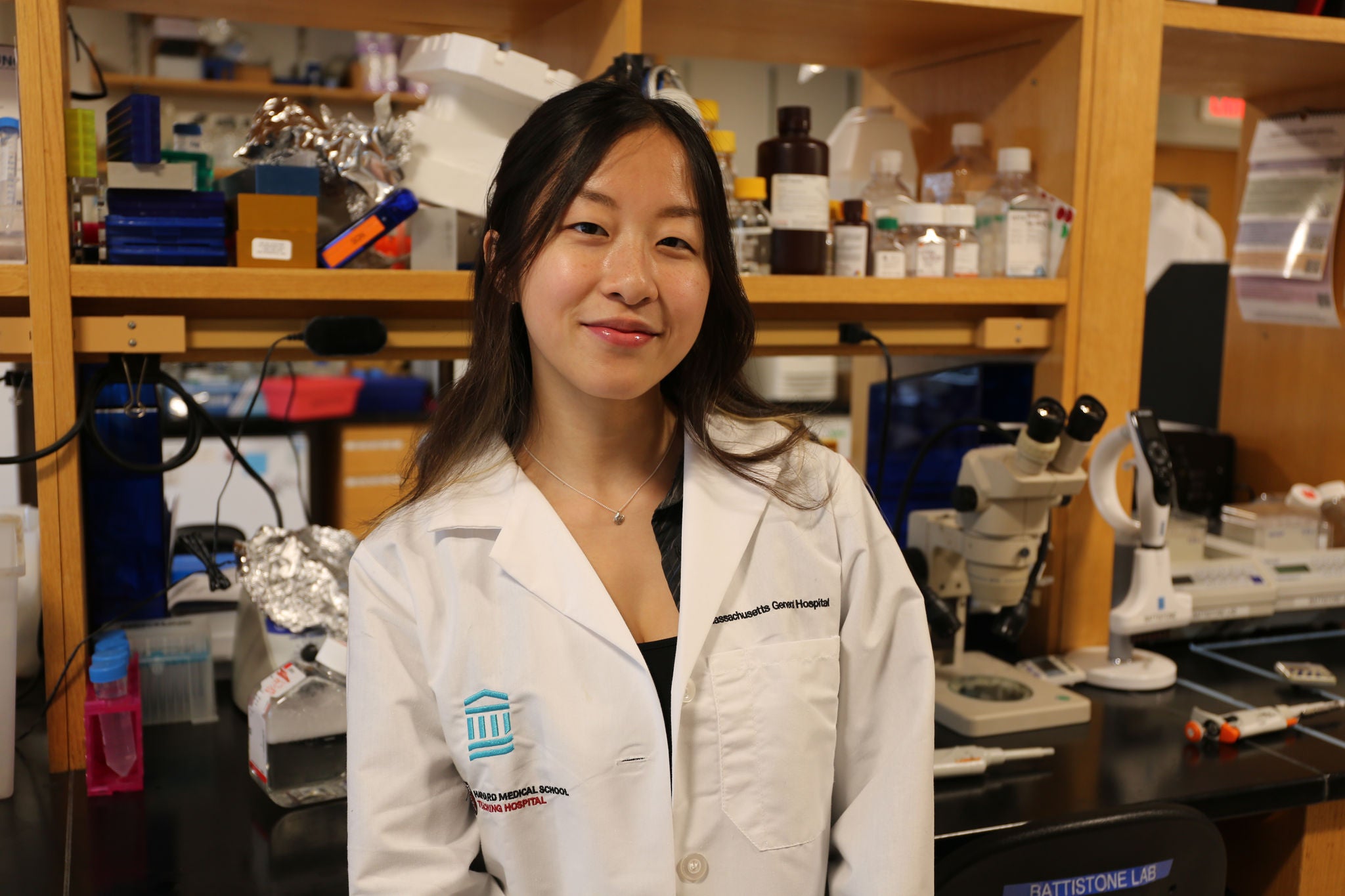
Micah Purba, BS
Graduate Student, Massachusetts General Hospital, Harvard Medical School
Publications
Open Positions
We accept fellows and visiting scientists. Should you have any questions or are interested in joining our team, please contact Dr. Battistone.
Maria A. Battistone, PhD
Email: mbattistone@mgh.harvard.edu