BWH Endocrinology Fellowship Program
Email: jcrow@mgh.harvard.edu
Overview
About the Program
The BWH Fellowship Program in Endocrinology, Diabetes and Metabolism is an ACGME-accredited fellowship program for individuals with an MD or MD/PhD degree who have completed training in Internal Medicine. We pride ourselves on being a place where the future leaders of academic endocrinology can find a home and grow. Our program balances two core goals: ensuring fellows develop deep and broad expertise across the full range of endocrine disorders, and providing a fertile environment where academic interests—whether in research, medical education, quality improvement, or leadership—can flourish.
Our program has a distinguished track record of contribution to and leadership in the field of endocrinology, a tradition we are committed to continuing.
The MGB Integration: An Exciting Development
MGH and BWH have long been partner hospitals within the Mass General Brigham (MGB) system, and their academic endocrinology divisions are now merging to create one of the largest and most comprehensive endocrinology programs in the country. Beginning July 1, 2028, the fellowship programs at BWH and MGH will formally integrate into the combined MGB Fellowship in Endocrinology, Diabetes and Metabolism.
Applicants in the Summer 2026 cycle will apply to hospital-based programs and complete their first year of clinical training at either BWH or MGH (July 1, 2027–June 30, 2028), with a short rotation at the partner hospital. They will then transition into the fully integrated MGB program for the remainder of their training. Fellows will have access to the full breadth of clinical expertise, subspecialty faculty, and research infrastructure across both institutions—making the training genuinely unmatched in scope and depth.
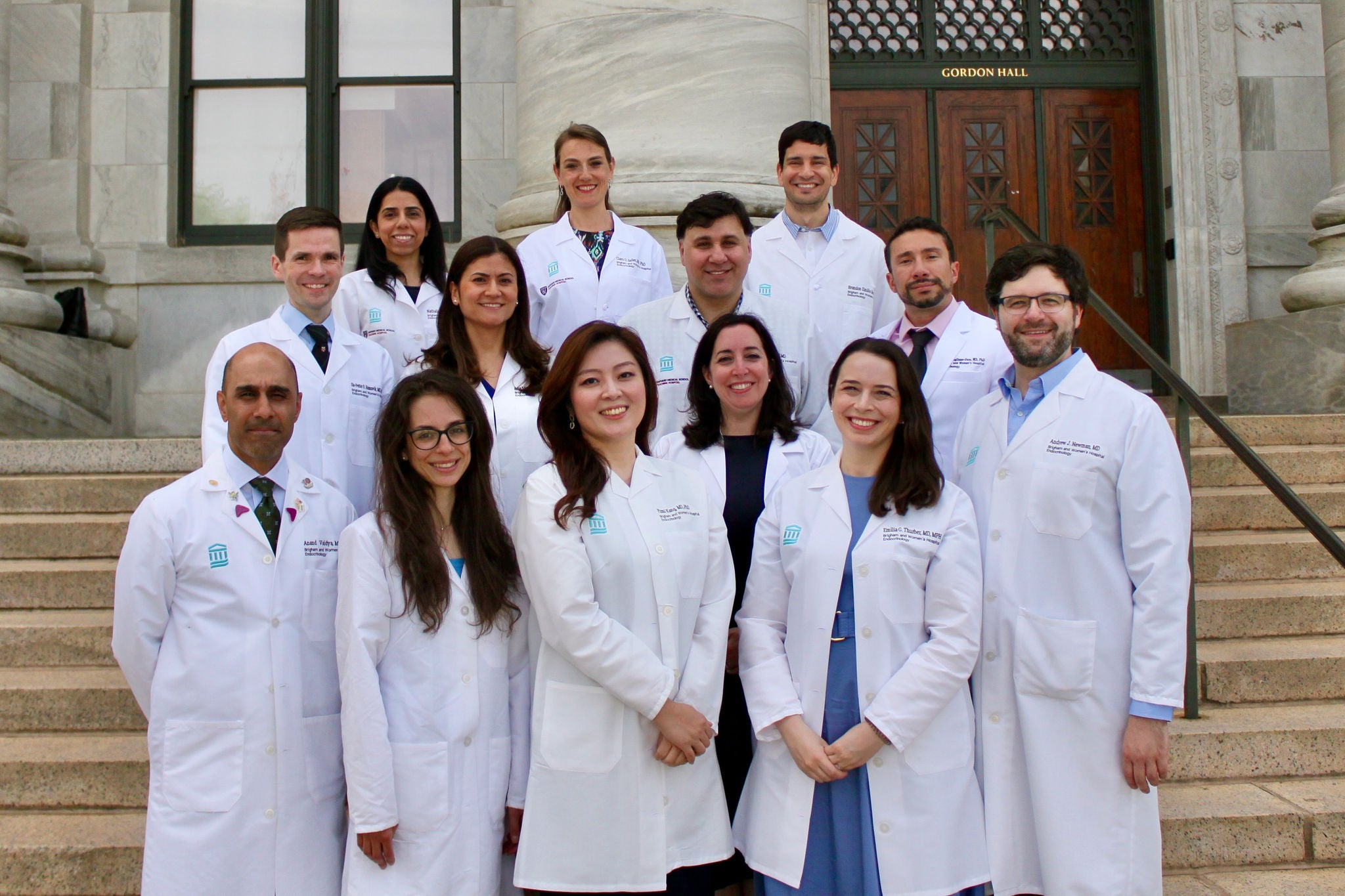
Endocrinology fellows and program leadership 2024-25
Curriculum
Clinical Training
All first-year fellows complete a robust inpatient experience at BWH covering the full spectrum of endocrine consultations—thyroid disease, calcium and bone disorders, pituitary and adrenal pathology, diabetes and metabolic disease, gender-affirming hormone therapy, and more. The inpatient experience also includes a short rotation at MGH. Ambulatory training is anchored by three continuity clinics in General Endocrinology, Thyroidology, and Diabetes. Fellows maintain a general or subspecialty continuity clinic for the duration of the fellowship.
In addition, fellows rotate through a broad range of subspecialty clinics, including: Thyroid, Neuroendocrine, Adrenal, Thyroid Biopsy, Skeletal Health/Osteoporosis, Diabetes in Pregnancy Reproductive Endocrine/IVF, Men’s Health and Andrology, Pediatric Endocrinology (Boston Children’s Hospital), Lipid and Prevention (MGH) , Weight Management , Female Reproductive Endocrinology, Endocrine Genetics, and Transgender Health.
Research Experience
First-year fellows have 2–3 months of protected independent study time dedicated to focusing academic interests, identifying a research mentor, and beginning to design projects. Fellows in the Clinician-Investigator track devote years 2 and 3 to sustained scholarship; the Academic Clinician track offers analogous protected time in Year 2, with mentored work in leadership, education, or quality.
Research funding is available through NIH training grants and the Robert G. Dluhy, MD, Fund for Fellowship Enrichment, which supports fellows in accessing professional development programs such as the Harvard School of Public Health’s Summer Program in Clinical Effectiveness. Harvard Catalyst courses—including the C/T Research Academy First Grant Bootcamp and Leadership Strategies for the Researcher —are available at no charge.
A range of Harvard Medical School Master’s programs is also available (funding for tuition is not guaranteed), including the MMSc in Clinical Investigation, MMSc in Medical Education, Master of Healthcare Quality and Safety, Master in Clinical Science Operations, Master of Bioethics, and Master of Biomedical Informatics.
Additional leadership and education programs include the BWH Deland Fellowship, Harvard Macy Programs, and the Rabkin Fellowship in Medical Education.
Education and Conferences
Fellows participate in a structured conference curriculum throughout the academic year.
- Clinical Case Conference: First-year fellows present cases weekly to the full division, drawn from recent inpatient or outpatient endocrine consultations and paired with a brief literature review. Upper-year fellows also present several cases per year. Once monthly, a faculty MasterClass offers in-depth exploration of a clinical guideline or focused topic. Morbidity and Mortality conferences are organized every year by fellows with guidance from experienced quality improvement and patient safety faculty.
- Endocrine Grand Rounds: Weekly (September–June), featuring local, national, and international endocrinologists presenting research relevant to adult and pediatric endocrinology.
- Journal Club: Fellows and faculty critically review recent journal articles; typically two articles are discussed per session.
- Endocrine Subspecialty Conferences: Weekly conference in which faculty rotate to discuss complex cases or challenging clinical topics.
- Summer Bootcamp Series: Replaces other teaching sessions over the summer; lectures and workshops cover endocrine emergencies and core management principles (diabetes, thyroid cancer, bone health, etc.), plus simulation sessions for procedural skills.
- Fellows' Core Curriculum Series: Two-year didactic series covering all major endocrinology topics, with significant fellow input on content; fall sessions emphasize board review.
- In-Training Exam with Debrief: All fellows sit the annual exam for program and self-assessment; a post-exam review of challenging questions serves as additional board preparation.
The program provides financial support for conference travel, textbooks, courses, and society memberships.
Medical Students and Residents
The MGB Division of Endocrinology, Diabetes and Metabolism at BWH welcomes short-term rotations for trainees enrolled in training programs outside of BWH. Rotations provide intensive exposure to clinical endocrinology, diabetes, and metabolism, with a primary focus on inpatient consults. Trainees participate in case work-up, teaching rounds, and divisional conferences; outpatient clinic exposure is individualized based on interest. For rotations of four weeks or longer, trainees are expected to present at the Division's Clinical Case Conference.
Medical Students
Medical student rotations are organized through Harvard Medical School. Please visit the HMS Exchange Clerkship Program to learn more and apply. Note that HMS charges tuition for most visiting students. The Division cannot schedule rotations outside this program but is happy to answer questions about the rotation structure.
Residents and Fellows
Residents and fellows in US/Canadian training programs are eligible for the Division's endocrine elective. BWH residents receive preference, but outside rotators are typically accommodated for many months of the year. Rotators must obtain a Massachusetts Limited License and have malpractice coverage extended by their home institution. Trainees from programs outside the US/Canada are not eligible due to licensing and malpractice constraints.
Physicians Not Enrolled in a Training Program
The Division does not offer observerships or other clinical experiences for physicians not currently enrolled in a US/Canadian graduate medical training program. We recommend searching for appropriate opportunities through resources such as the American Medical Association's IMG observership guidance.
Contact
For questions regarding resident electives, please contact Iohana Lobo at ilobo@bwh.harvard.edu.
How to Apply
Candidates must have completed at least 3 years of Internal Medicine training in an ACGME-accredited program and be board-eligible at the start of fellowship (other requirements apply to candidates applying for combined adult/pediatric training or the ABIM Research Pathway. International medical graduates must have ECFMG certification. Applications are submitted through ERAS and must include:
- ERAS application.
- Three letters of recommendation (including one from the Residency Program Director).
- USMLE transcript.
- Personal statement.
- Medical school transcript.
- ECFMG report if applicable.
Non-US citizens who are entering a BWH ACGME accredited training program are required to obtain visa sponsorship prior to beginning their program. The Department of Medicine sponsors J-1 and H-1B visas. Visa holders are not eligible to be funded by NIH training grants and are therefore typically only considered for the Academic Clinician Track.
The application deadline for the 2026 recruitment season is 9 AM Eastern, July 16, 2026. Interviews are conducted virtually on most Wednesdays in September and October.
BWH Endocrinology considers program signaling as part of its holistic application review. While candidates who do not signal our program may still be offered an interview, we strongly encourage anyone with a genuine interest in training at BWH/MGB to use the ERAS Program Signal to indicate that interest — including candidates already at BWH or other Boston programs.
To help you decide whether to use a signal for our program, we encourage you to review this website carefully and consider whether your career goals align with those that our program prepares you for. Successful applicants have typically demonstrated academic excellence and initiative, with a track record suggesting future leadership potential. Many — though not all — competitive candidates bring one or more of the following: research experience, volunteer or community engagement, peer-reviewed publications, eligibility for NIH training grant funding (obligatory for the Clinician-Investigator track), strong standardized exam performance, and letters of recommendation that speak to both clinical skill and leadership.
We participate in the National Resident Matching Program.
For information on institutional policies applicable to fellows, please refer to the Mass General Brigham GME Office. Please note that pre-employment drug testing may be requested.
Fellow compensation follows the trainee salary scale set by the Mass General Brigham GME Office. Further information on benefits is available here.
Fellowships and Faculty Contacts
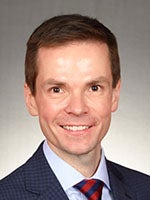
Ole-Petter R. Hamnvik, MB BCh BAO, MMSc
Fellowship Program Director
ohamnvik@bwh.harvard.edu
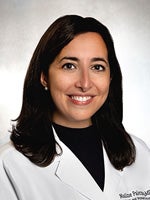
Nadine E. Palermo, DO
Associate Fellowship Program Director
npalermo@bwh.harvard.edu
Jenni Crow
Fellowship Program Manager
jcrow@mgh.harvard.edu