Transplant Research Department
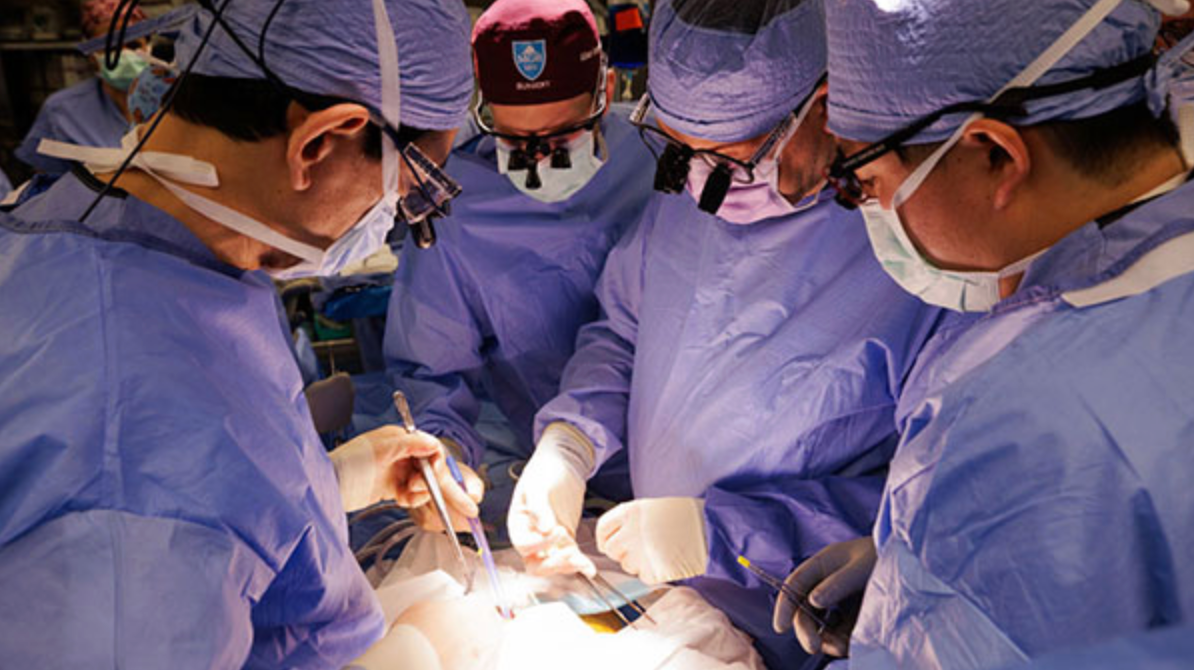
Overview
MGB is home to one of the largest transplant research centers in the world and is the leading teaching hospital from Harvard Medical School.
Research focus areas
Center for Transplantation Sciences
The Center for Transplantation Sciences at Massachusetts General Hospital conducts groundbreaking research to expand access to transplantation and improve the lives of transplant recipients.
Clinical Research
The Transplant Center offers highly advanced treatments through clinical trials.
HOPE Act: HIV+ Donors to HIV+ Recipients
The HOPE Act allows organs from HIV positive donors to be transplanted into HIV positive recipients. These are organs that would have been discarded before the HOPE Act was passed. The MGH Transplant Center is one of the few hospitals in the United States doing these transplants.
Infections After Transplant
Infections after transplant are relatively common, especially within the first year. All transplant patients receive prophylactic therapy in order to prevent such infections. The MGH Transplant Center is participating in clinical trials which utilize different medications and monitoring of infections in order to prevent and treat post-transplant infections.
New Immunosuppression Regimens
Transplant patients take medications to keep their immune system from rejecting their new organs. The standard medications used today are effective but have many side effects, including toxicity to the transplanted kidney which tends to shorten the lifespan of the organ. Less toxic drugs have been developed to support better long-term kidney function. The MGH Transplant Center is one of many academic medical centers conducting clinical trials using these newer immunosuppressive agents.
Glomerular Disease Recurrence After Transplant
Recurrence of kidney disease is the third leading cause of graft loss. The MGH Kidney Transplant Program is leading a multicenter study looking at kidney disease recurrence after transplantation, tackling challenges such as FSGS recurrence and IgA recurrence. Learn more here.
Desensitization
For people who are highly sensitized means that your immune system would reject most of kidneys available for transplant. We are testing whether new products called Chimeric Antigen Receptor T Cells (CAR T Cells), when given with chemotherapy, is safe and will reduce the risk of rejection.
Legorreta Center for Clinical Transplant Tolerance
We operate the only center in the world dedicated to preventing organ rejection after transplantation without the use of lifelong immunosuppressants. Learn more here.
Xenotransplantation
The United States is facing a significant organ shortage. Currently, over 108,000 individuals need an organ, but fewer than 40,000 transplants are performed every year in the U.S. To address this unmet health care need, we are investigating the use of pig-to-human transplantation. With recent advances in genetic modification technology, we have now achieved the first successful kidney xenotransplant in 2024.
With three decades of dedicated research, our team at Mass General is leading the way in using genetically engineered pig kidneys to address the critical shortage of organs. These transplants from pigs to humans are a beacon of hope for patients awaiting vital kidney transplants, made safer and more compatible through genetic advancements. With patients at the center, we are committed to safety and efficacy for all.
Massachusetts General Hospital Performs Groundbreaking Xenotransplants of Genetically-Edited Pig Kidney into Living Recipients
For current and prospective patients interested in more information about xenotransplantation at MGH
"The extraordinary progress in transplantation at MGH, from groundbreaking tolerance induction to pioneering xenotransplantation, is a testament to the transformative basic and translational science conducted in the Center for Transplantation Sciences"

Joren C. Madsen, MD, DPhil
- Director of the MGH Transplant Center