true

Psychiatric Neuroimaging Research

A wide and diverse array of faculty members, laboratories, and affiliated initiatives use the transformative neuroimaging technologies uniquely available across MGB to advance understanding and treatment for psychiatric disorders. While there are specialized facilities at each of our main partner institutions, many faculty members work collaboratively across them.

Overview

Psychiatric neuroimaging research across Massachusetts General Hospital, Brigham and Women's Hospital, and McLean Hospital deploys the advanced imaging technologies uniquely available at our institutions to understand brain function in health and psychiatric illness. Investigators use multiple modalities—including structural and functional MRI, PET, EEG and MEG individually and in multimodal combinations—to identify brain circuits underlying disorders such as schizophrenia, mood disorders, PTSD, addiction, and neurodevelopmental conditions. Across all three institutions, there is a strong translational focus on developing biomarkers, improving diagnostics, and informing novel therapeutic interventions through large-scale, collaborative, and multi-site research initiatives.
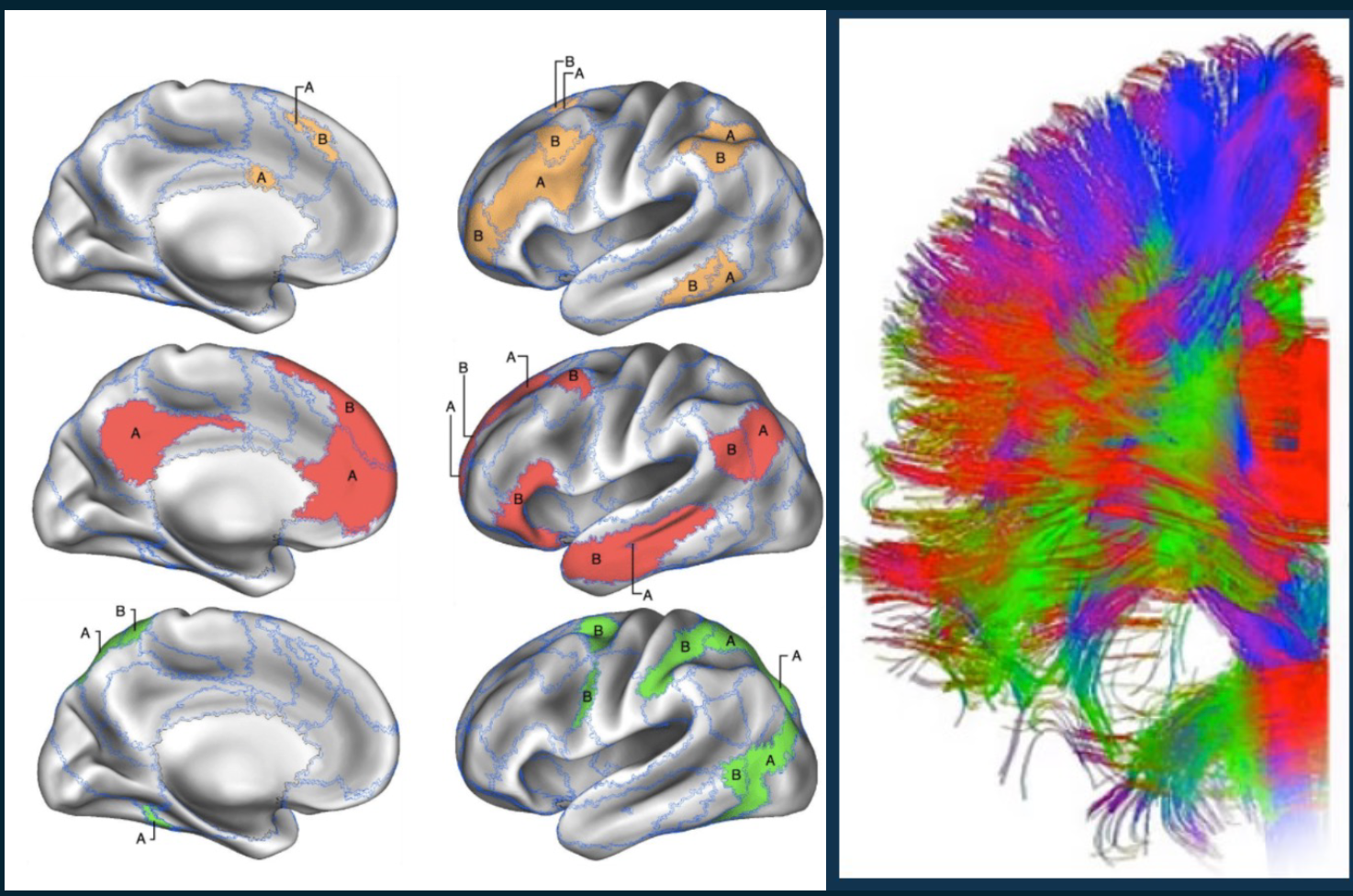
MGH & Affiliated Psychiatric Neuroimaging Laboratories

Clincial and preclinical studies of the brain by using MRI, PET, EEG, MEG, and optical imaging techniques. Stimulation technologies that can enhance brain function. Most investigators work in close partnership with the Athinoula A. Martinos Center for Biomedical Imaging – located adjacent to the Psychiatric Neuroimaging Division space at the Charlestown Navy Yard.
photo depicts a series of colored brain images
primary
internal-arrow
Learn more about our MGH faculty
/content/research-xwalk/en/institutes-centers/department-of-psychiatry/psychiatric-neuroimaging-division/mgh-psychiatric-neuroimaging-division

BWH Psychiatric Neuroimaging

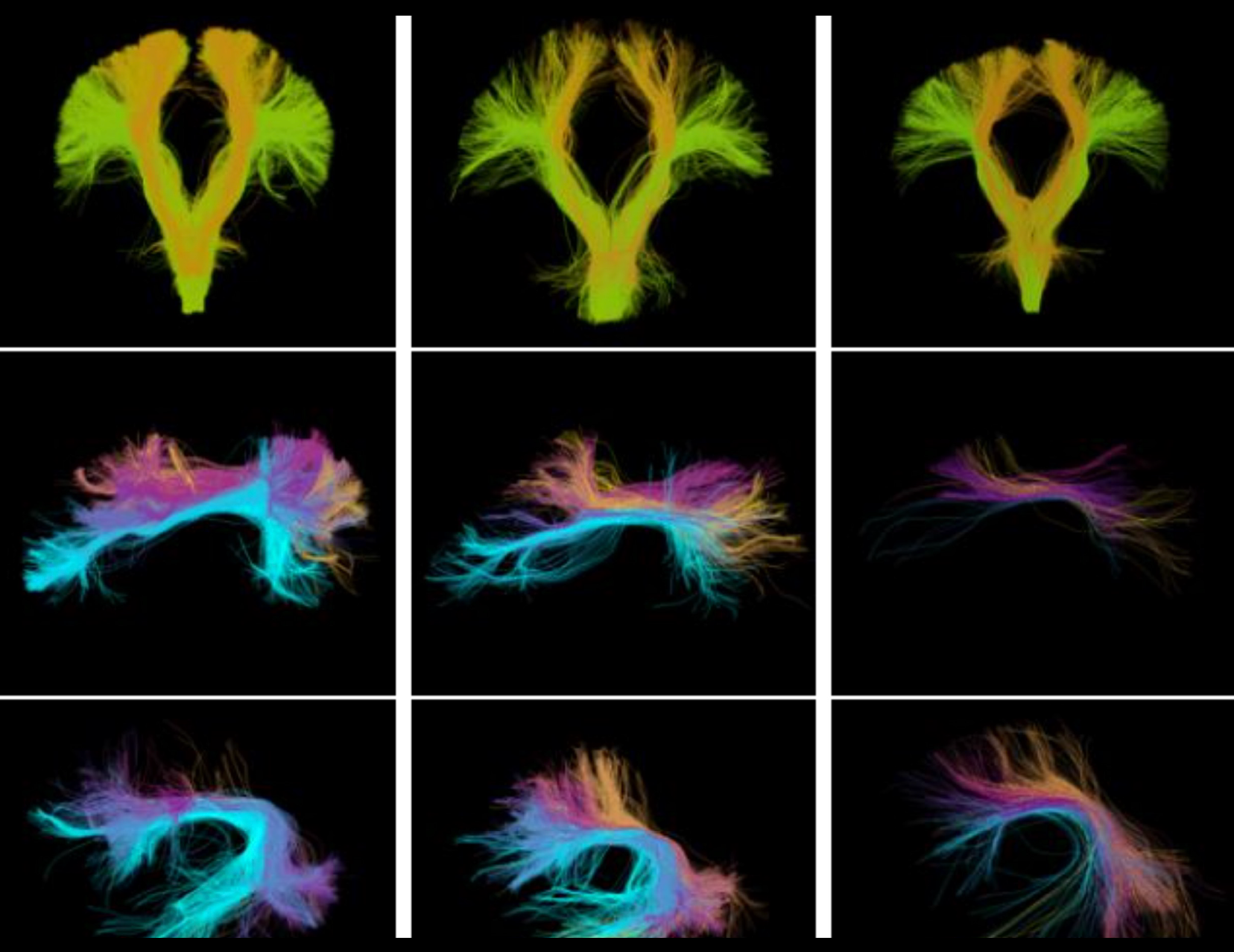
Psychiatric neuroimaging research at Brigham and Women’s Hospital integrates advanced imaging, computational methods, and clinical neuroscience to study brain structure, connectivity, and function in psychiatric disorders. Investigators use multimodal approaches—including MRI, diffusion imaging, and neurophysiologic methods—alongside machine learning to study conditions such as schizophrenia, mood disorders, OCD, and stress-related disorders. The program emphasizes translational impact, developing biomarkers and improving neuromodulation targeting to enable more precise, mechanism-based interventions.
a colorful image of the human brain is depicted
primary
internal-arrow
Learn more about our BWH faculty
/content/research-xwalk/en/institutes-centers/department-of-psychiatry/psychiatric-neuroimaging-division/bwh-psychiatric-neuroimaging-faculty

McLean Psychiatric Neuroimaging

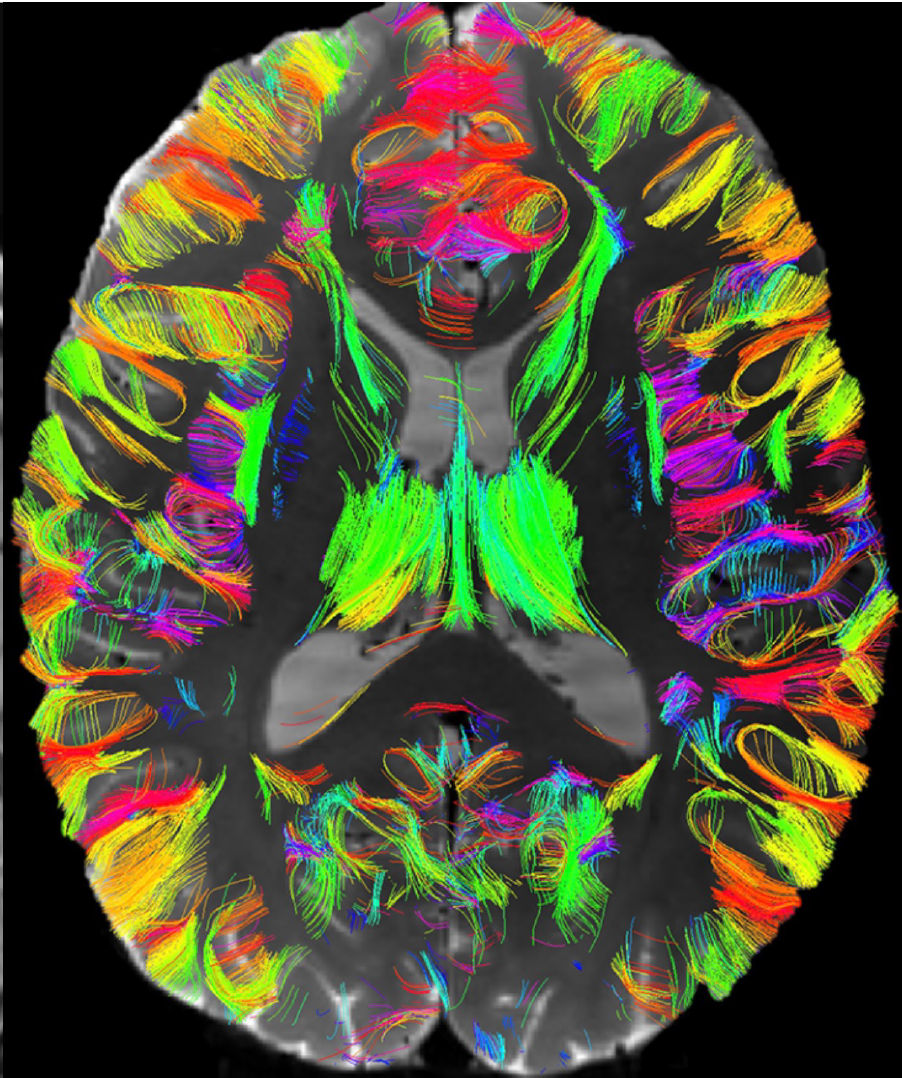
Psychiatric neuroimaging research at McLean Hospital is embedded within one of the largest neuroscience and psychiatry research programs in a private hospital, integrating basic, translational, and clinical approaches to understand brain mechanisms of mental illness. Investigators use multimodal imaging—including MRI, diffusion imaging, spectroscopy, and electrophysiology—alongside computational modeling and machine learning to study brain structure, connectivity, and neurochemistry across disorders such as addiction, psychosis, mood disorders, and neurodevelopmental conditions. A distinctive strength of the program is its integration of human and preclinical imaging, pharmacologic studies, and longitudinal developmental research to link neural circuitry with behavior, treatment response, and disease progression.
photo depicts colored images of brain scans