true
Department of Psychiatry Research
We provide evidence-based psychiatric care, lead interdisciplinary research, and deliver outstanding education across the lifespan.
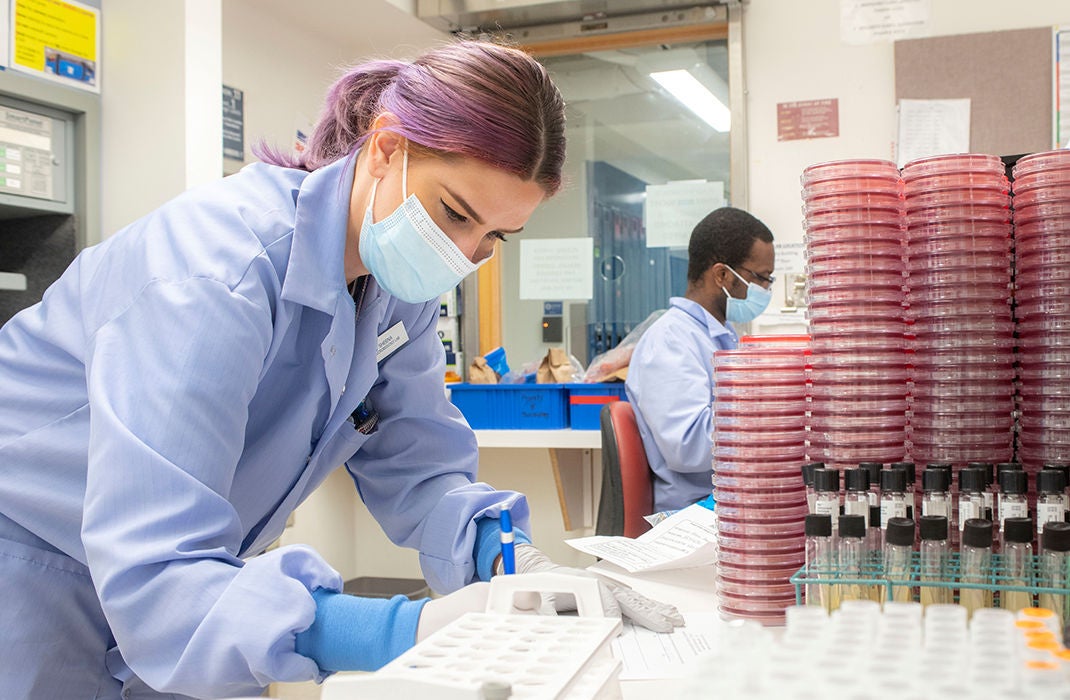
scientist in lab marking a document is depicted
standard-fill
Overview
The Department of Psychiatry advances understanding and treatment of mental illness through patient-centered care, translational and clinical research, and robust training programs. Our faculty and trainees collaborate across medicine, neuroscience, public health, and the community to improve outcomes and reduce the burden of psychiatric disorders.
Research focus areas
- Mood and anxiety disorders
- Psychosis and schizophrenia spectrum disorders
- Substance use disorders and addiction medicine
- Child and adolescent mental health
- Neuropsychiatry and cognitive disorders
- Trauma, stress, and resilience
- Implementation science, health services, and community psychiatry
- Digital mental health and innovative care delivery
Psychiatry research labs
Mood Disorders Program
Anxiety and Trauma Program
Psychosis and Early Intervention Program
Addiction Psychiatry Program
Child and Adolescent Psychiatry Program
Neuropsychiatry and Cognitive Disorders Program
Research at McLean Hospital
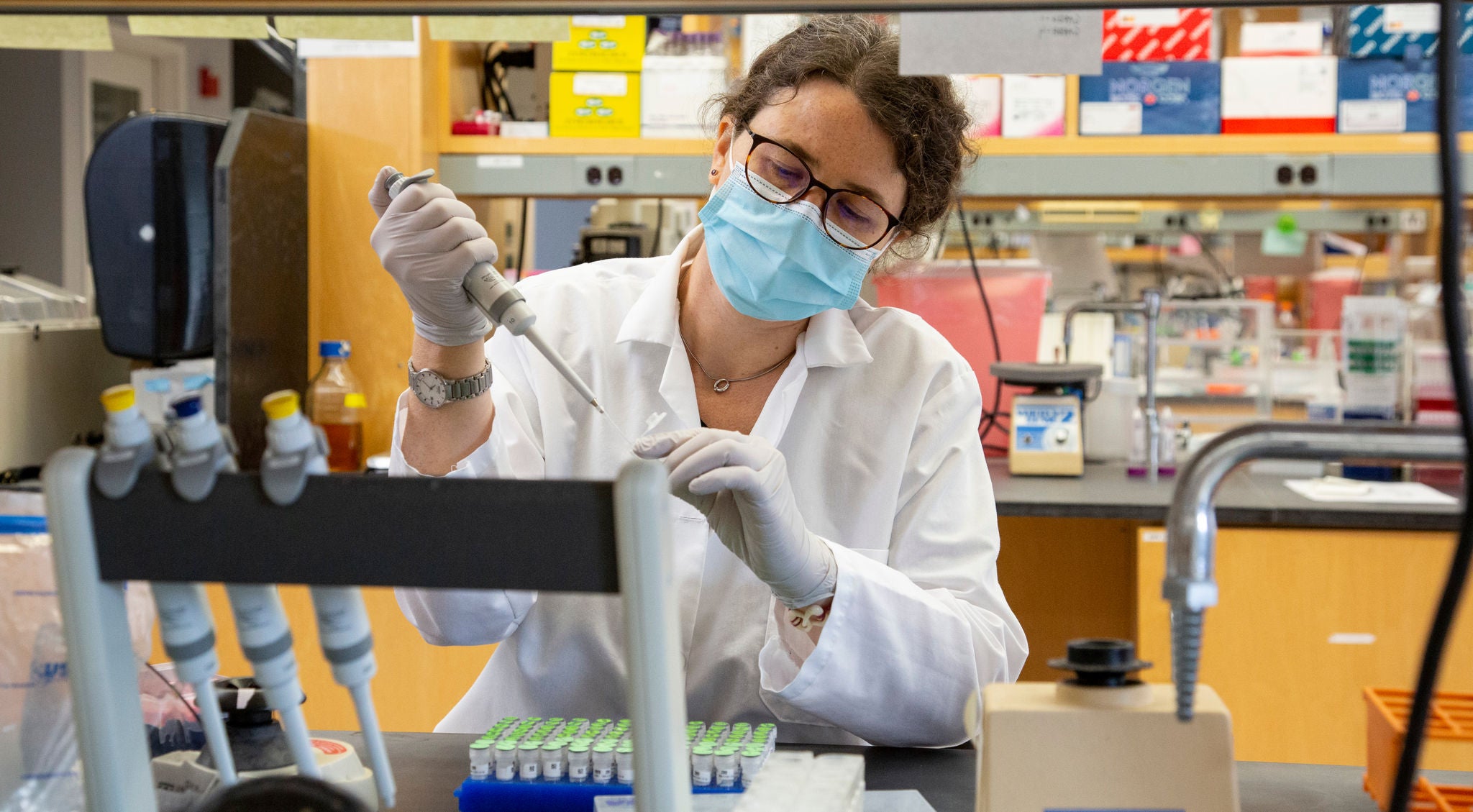
McLean Hospital maintains the largest neuroscience and psychiatry research program of any private psychiatric hospital in the United States. Researchers use advanced technology to find the causes of mental illness and accelerate life-changing treatments
primary
internal-arrow
Learn about research at McLean
Psychiatry education and training opportunities
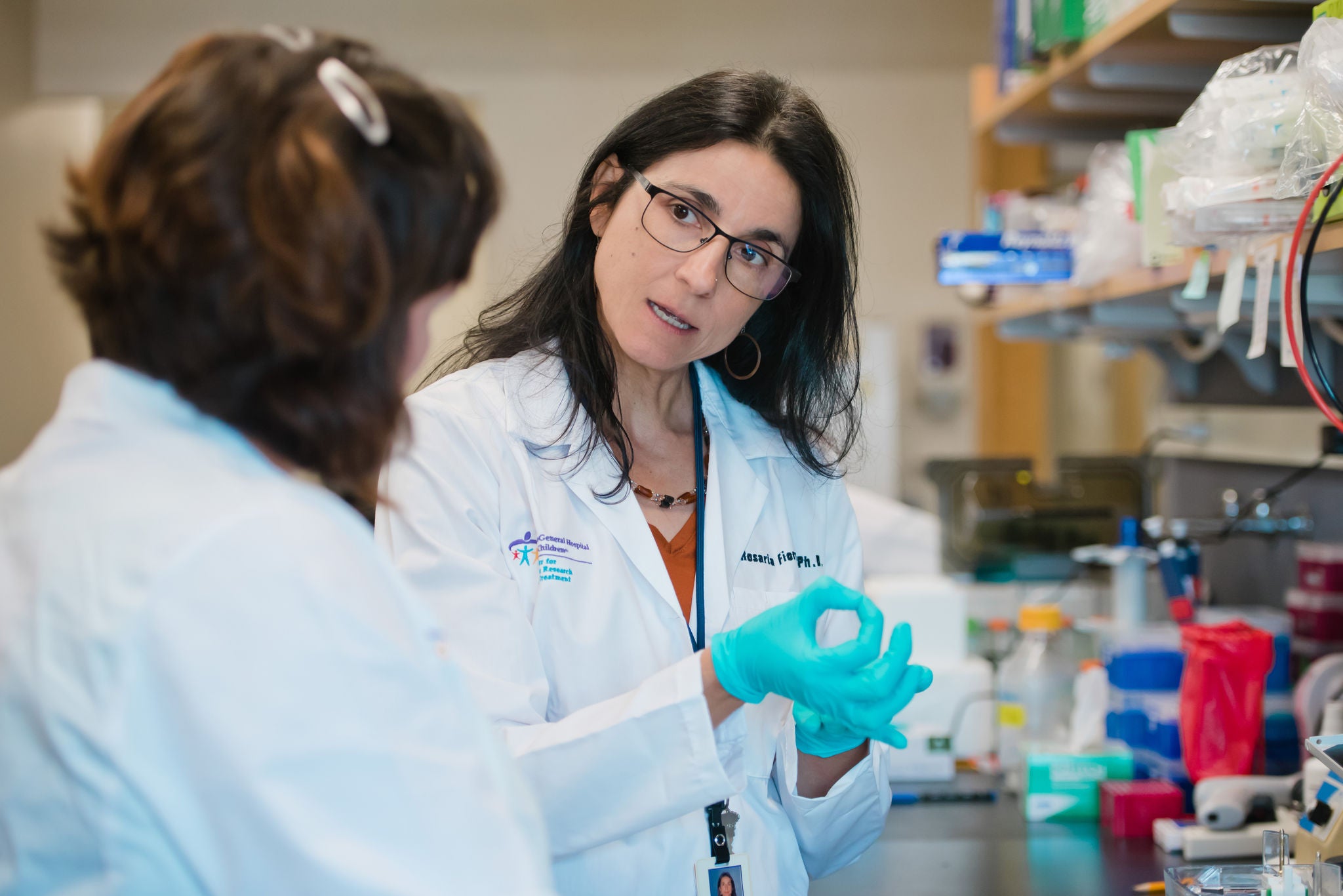
The Department of Psychiatry is deeply committed to training expert clinicians, researchers, clinical investigators, and medical educators who will go on to be future leaders in the field.
primary
internal
Explore training opportunities
Patient care
Comprehensive psychiatric services for children, adults, and older adults
Our clinicians offer evaluation and treatment across a broad range of conditions, including depression, anxiety, bipolar disorder, psychosis, substance use disorders, trauma-related conditions, and cognitive concerns. Care options may include psychotherapy, medication management, collaborative care, and specialty programs tailored to patient needs.

primary
external